![What do you need to know before taking a first aid course [city]](https://security-guard-training.co.uk/wp-content/uploads/2026/06/What-do-you-need-to-know-before-taking-a-first-aid-course.webp)
What do you need to know before taking a first aid course?
Before taking a first aid course, confirm you are booking the right qualification (Emergency First Aid at Work or First Aid at Work). Check the course length, assessment format, and joining instructions. Wear comfortable clothes for floor-based practice, bring photo ID and any relevant medical information, and make sure your provider is accredited and HSE-aligned. Finally, check certificate validity and renewal requirements.
Taking your first first aid course can feel daunting. However, most people leave feeling more confident than they expected. UK workplace courses are designed for complete beginners, with lots of hands-on practice and clear “what to do first” frameworks.
This guide explains what to expect, how to choose between EFAW and FAW, what to bring and wear, how assessment works, and how to pick a reputable provider. If you want to book training with a provider that understands workplace and security realities, explore first aid options with Lead Element Training Wing LTD training courses.
Quick Checklist: What To Know Before Your First First Aid Course
- Pick The Right Level: Decide between EFAW (1 day, lower risk) and FAW (3 days, higher risk or broader responsibility).
- Check Recognition: Confirm the course is workplace-recognised and aligned with UK guidance such as HSE First Aid At Work.
- Read Joining Instructions: Note start time, venue access, lunch plans, and any pre-course reading.
- Prepare For Practical Work: Expect CPR, the recovery position, bleeding control, and scenario practice on the floor.
- Bring Essentials: Photo ID, booking confirmation, glasses, and relevant medical or medication information.
- Dress For Movement: Comfortable trousers, flat closed shoes, and minimal jewellery.
- Know The Assessment Style: Usually practical observation plus Q&A, focused on competence rather than academic exams.
- Plan Accessibility Early: Request reasonable adjustments in advance so the trainer can support you properly.
- Check Certificate Validity: Most workplace certificates are valid for three years, and refreshers are recommended.
Most Common Course Choices: If you want a fast, beginner-friendly workplace qualification, compare Emergency First Aid at Work (EFAW) and First Aid at Work (FAW). If you are unsure what your role needs, message Lead Element Training Wing LTD with your job title and workplace setting.
Choose The Right Course Level (EFAW Vs FAW)
EFAW and FAW cover similar emergency skills, but they differ in depth, time, and scenario coverage. As a rule, EFAW suits lower-risk workplaces and smaller teams. FAW suits higher-risk environments, larger sites, or roles with wider first aider responsibilities.
Check Accreditation, Certificate Recognition And Compliance
For workplace first aid, it is important that the training matches UK expectations. Start with the official framework, including the GOV.UK guidance on the First Aid At Work Regulations and the HSE First Aid At Work guidance.
- Employer Duties: First aid provision should be based on a workplace risk assessment.
- Course Matching: The course should match your work hazards and likely incidents.
- Trainer Quality: Ask who delivers the course, what qualifies them to teach, and how skills are assessed.
Know The Duration, Start Times, Breaks And Attendance Rules
Most UK workplace first aid courses are taught face to face and follow a set timetable. Arrive early, plan your travel, and expect fixed break times. Many providers require full attendance for certification because practical skills must be observed.
Understand Assessment And What ‘Competent’ Typically Means
Most first aid training is assessed through trainer observation during practical exercises and scenarios. Trainers also ask questions to confirm understanding. “Competent” usually means you can:
- Follow A Safe Approach: Check scene safety and use a structured primary survey.
- Perform Core Skills Correctly: Deliver CPR compressions at an appropriate depth and rate, and use an AED trainer safely.
- Communicate Clearly: Call for help early, give an effective handover, and record key details.
If you struggle, reputable providers will coach you during practice. Depending on course rules, they may also offer extra time or a reassessment route. The goal is safe, reliable performance, not catching learners out.
Which First Aid Course Should You Book?
If you are unsure which qualification is right, compare EFAW and FAW based on your workplace risk level. The table below offers a simple decision framework. You can then confirm the best option with your employer or training provider.
| Comparison Point | EFAW (Emergency First Aid At Work) | FAW (First Aid At Work) |
|---|---|---|
| Course Length | Typically 1 day | Typically 3 days |
| Best For | Lower-risk workplaces, smaller teams, nominated emergency first aiders | Higher-risk sites, larger workplaces, broader first aider responsibilities |
| Core Skills | CPR/AED awareness, choking, recovery position, bleeding, shock | Broader coverage, more scenario time, and deeper workplace application |
| Assessment Style | Practical observation and questions | Practical observation and questions across a wider skill set |
| Certificate Validity | Typically 3 years | Typically 3 years |
| Typical Workplace Fit | Offices, retail, hospitality (risk dependent) | Construction, manufacturing, events, higher footfall, or higher hazard environments |
Emergency First Aid At Work Training Course (EFAW), Best For First-Time Learners
For many people, EFAW is the simplest way to gain a recognised workplace first aid qualification in a single day.

Emergency First Aid at Work Training Course (EFAW) is a practical, entry-level workplace first aid course. It suits many first-time learners, especially when a workplace needs a nominated emergency first aider.
- Beginner-Friendly Format: Focuses on the actions that matter most in the first minutes.
- Hands-On Core Skills: Includes CPR practice, choking response, and the recovery position.
- Workplace-Relevant Scenarios: Helps you respond confidently until emergency services arrive.
- Recognised Outcome: Designed to meet workplace expectations when selected appropriately.
Who It’s Best For: People new to first aid, lower-risk workplaces, and learners who want a first qualification before progressing.
If EFAW sounds like the right fit, you can explore EFAW course dates here.
First Aid At Work Training (FAW), Best For Higher-Risk Workplaces
If your workplace has higher risks, or you are expected to handle a wider range of incidents, FAW may be the better match.
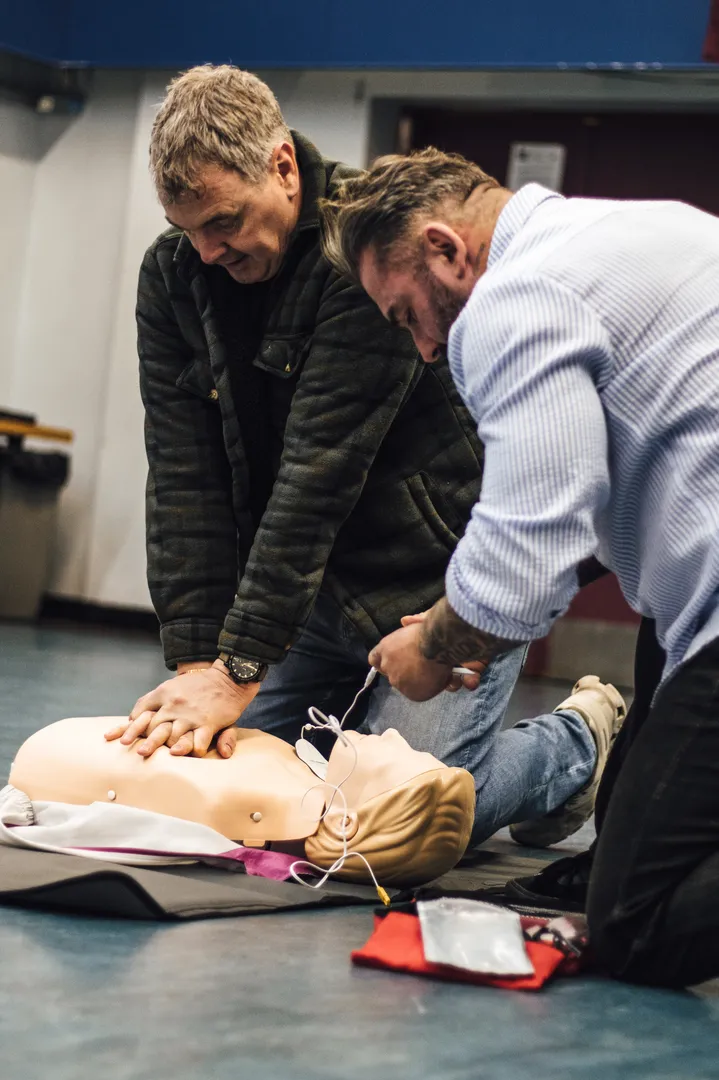
First Aid at Work Training (FAW) is the more in-depth option. It is typically chosen when a risk assessment points to broader hazards, larger teams, or a need for stronger first aid provision.
- More Time For Skills: Longer delivery means more repetition and scenario practice.
- Broader Coverage: Builds confidence across more workplace incident types.
- Stronger Real-World Readiness: Useful for busy sites where incidents are more likely.
- Better For Lead First Aiders: Suits roles where you may be the main point of contact in an emergency.
Who It’s Best For: Learners in higher-risk workplaces, public-facing sites, or roles where incidents may happen more often.
To compare availability and options, see FAW course details here.
How Employers Decide: Workplace Risk Assessment Basics
UK employers should provide “adequate and appropriate” first aid equipment, facilities, and personnel based on risk. In practice, that means your employer considers the hazards in your workplace and who might be affected.
- Workplace Hazards: Machinery, sharp tools, slips and trips, chemicals, or the risk of violence.
- Workforce Profile: Staff numbers, shift patterns, lone working, and vulnerability.
- Public Footfall: Customer-facing roles can increase the chance of incidents.
- Location And Response Time: Remote sites may need more in-house capability.
For the regulatory context, refer to HSE guidance and the GOV.UK regulations guidance.
What You’ll Learn (And Practise) On A First Aid Course
Most of your time is spent practising. Trainers usually switch between short explanations, demonstrations, and scenarios where you take the lead. You will also get clear feedback to help you improve.
Primary Survey (DRSABC), CPR And Using An AED
You will learn a structured approach to emergencies, often taught as a primary survey such as DRSABC. CPR and AED sessions are central, and you will practise using manikins and AED trainers. For medically focused public guidance, see Resuscitation Council UK.
Choking, Recovery Position And Unconscious Casualties
You will practise recognising choking and responding correctly. You will also learn how to place someone in the recovery position and monitor their breathing. Many providers explain when to call 999 and what information to share.
Bleeding Control, Shock, Burns, Fractures And Head Injuries
You will cover common emergencies, including bleeding control and how to recognise shock. Courses also cover burns, suspected fractures, and head injuries. For medically reviewed public information, the NHS first aid guidance is a reliable reference.
Workplace Scenarios, Casualty Handover And Incident Reporting
Expect realistic workplace scenarios and a focus on communicating under pressure. Good courses teach simple incident reporting habits, including what to record and when to escalate. You will also practise a clear handover to ambulance crews or a responsible person on site.
How To Prepare For Course Day
Once you know the right course level, choose a date, location, and training provider you trust. Then set yourself up to learn comfortably on the day. A little preparation makes the practical elements feel much easier.
What To Bring (ID, Confirmation, Glasses, Medication Details)
- Photo ID: Bring it if your provider needs identity checks for certificates.
- Booking Confirmation: Keep your email confirmation handy for check-in.
- Glasses Or Hearing Aids: You will need these for demonstrations and scenario prompts.
- Medication And Relevant Details: Share what the trainer needs to know for safe participation.
- Water And Snacks: Staying hydrated helps during practical sessions.
What To Wear (Comfort, Modesty, Footwear, Jewellery)
Wear something you can kneel and move in comfortably. You may be on the floor practising CPR and the recovery position.
- Clothing: Choose comfortable trousers and a top that stays in place when leaning forward.
- Footwear: Wear flat, closed shoes for safe movement.
- Jewellery: Keep it minimal to avoid snagging during practical work.
- Hair: Tie long hair back for hygiene and comfort.
Accessibility And Reasonable Adjustments (How To Request)
If you have mobility limitations, a disability, pregnancy-related needs, anxiety, or a temporary injury, you can often still attend with sensible adjustments. The key is to request support early so the trainer can plan and assess you fairly.
- Common Adjustments: Extra time for practical elements, modified positions, more breaks, or supportive equipment.
- Learning Support: Clearer printed materials, quieter seating, or additional check-ins during scenarios.
- Language Support: Ask what level of spoken and written English is needed for safe assessment.
If you want to discuss your situation before booking, contact Lead Element Training Wing LTD and explain what you need.
If You’re Anxious About CPR Practice: What To Expect
It is normal to feel nervous, especially the first time you practise CPR. Trainers will explain each step and support you as you practise. You will work on manikins, not real people, and you can pause if you need to.
Choosing A Reputable Provider: Key Questions To Ask
Not all training is delivered in the same way. If you want a course that sticks, prioritise hands-on time, clear assessment, and support after the course. A good provider will also be upfront about what is included.
Trainer Credentials, Class Size And Hands-On Practice Time
- Trainer Competence: Ask about teaching credentials and real-world first aid experience.
- Class Size: Smaller groups often mean more feedback and more practice time.
- Equipment: Check there are enough manikins and AED trainers for meaningful practice.
HSE-Aligned Content And Realistic Workplace Relevance
A reputable provider can explain how the course aligns with UK workplace expectations. They should also keep scenarios realistic for your setting. For example, security and event staff may deal with crowd-related injuries, intoxication, and fast handovers to police or ambulance services.
Certification Details, Aftercare And Replacement Certificates
- When You Receive Certification: Ask the typical turnaround time after you complete the course.
- Replacement Policy: Confirm how to request a replacement if you lose your certificate.
- Rescheduling And Cancellation: Check the provider’s terms before you book.
If you are looking for local options, browse first aid training courses in Abbey Wood or explore the wider Lead Element Training Wing LTD training calendar.
Costs, Certification Length And Keeping Skills Fresh
Typical UK Pricing Factors (Location, Duration, Group Size)
First aid course prices vary across the UK. The biggest drivers are:
- Course Length: FAW usually costs more than EFAW because it takes longer to deliver.
- Location: Training in major cities can cost more because venues and staffing cost more.
- Group Size And On-Site Delivery: Employers can reduce cost per learner with group bookings.
- What’s Included: Materials and certificate processing may affect the final price.
How Long First Aid Certificates Last And When To Refresh
Workplace first aid certificates are typically valid for three years. Many organisations recommend refreshing skills before expiry, and some schedule interim refreshers to reduce skills fade. You can confirm current expectations in the HSE first aid guidance.
First Aid For Security Roles: What’s Different?
If you work in security or events, choose the course that matches higher-risk, public-facing scenarios. The first aider’s role stays the same: preserve life, prevent deterioration, and promote recovery. The difference is that the environment can be faster paced and more pressured.
Why First Aid Matters For Door Supervisors And Close Protection
Security staff are often first on scene in venues, nightlife, retail, and public spaces. Incidents can escalate quickly. Knowing how to recognise a medical emergency, call for help, and start basic care can make a real difference.
If you are also building your security career, explore SIA Door Supervisor training or Close Protection training alongside first aid.
Common Scenarios: Crowds, Intoxication, Trauma And Fast Handover
- Crowd-Related Injuries: Falls, crush risk, and panic can lead to multiple casualties.
- Intoxication And Medical Mimics: Reduced consciousness can have many causes. Treat it seriously and call 999 if you are unsure.
- Bleeding And Trauma Awareness: Prioritise safety, control bleeding, and keep communication clear.
- Rapid Handover: Give concise information: What happened, what you found, what you did, and what changed.
Door Supervisor Training, Best For Frontline Venue Security
If you work in busy, public-facing environments, role-specific training can complement your first aid skills.

Door Supervisor Training supports learners working in licensed venues, retail, and events. First aid awareness pairs well with conflict management and public safety responsibilities.
- Public-Facing Readiness: Helps you operate calmly in busy, high-pressure environments.
- Incident Awareness: Supports better judgement about when to escalate to emergency services.
- Professional Confidence: Employers value staff who respond responsibly when something goes wrong.
Who It’s Best For: New or aspiring door supervisors who want job-ready confidence for real venue conditions.
To build your training pathway, explore Door Supervisor Training here.
Close Protection Training, Best For High-Responsibility Security Roles
For higher-responsibility roles, training that builds calm decision-making under pressure is a real advantage.

Close Protection Training is a higher-level route for security professionals working in complex risk environments. In these settings, emergency preparedness, communication, and composure matter.
- Situational Awareness: Reinforces structured thinking under pressure.
- Team Coordination: Encourages clear roles and fast escalation when incidents occur.
- Professional Standards: Supports a safety-first mindset that clients and employers expect.
Who It’s Best For: Learners aiming for close protection work and higher-responsibility security roles.
If you are planning your next step, see Close Protection Training options here.
Keeping Security Training Current: If you already work in security, you may also need refresher training. Compare Refresher Door Supervisor Security Training and Refresher Close Protection Training, or broaden your options with CCTV Training.
FAQs About Taking A First Aid Course For The First Time
Do I Need Prior Knowledge?
No. Workplace first aid courses are designed for beginners. You will learn step by step, then practise until you can perform the skills safely.
What If I Struggle Or Fail The Assessment?
Most learners pass if they attend fully and engage in practice. If you struggle, a good trainer will coach you and give you time to improve. Before you book, ask about reassessment options, attendance rules, and what happens if you miss a section due to illness or an emergency.
Can I Attend If I Have A Medical Condition Or Injury?
Often yes, but you should disclose anything relevant before the day so reasonable adjustments can be planned. If you are unsure, contact Lead Element Training Wing LTD to discuss your needs privately.
Will I Receive A Digital Or Paper Certificate?
This depends on the provider. Ask whether certificates are issued digitally, on paper, or both. Also ask how long processing takes and how to request a replacement if you lose it.
Fun Fact: Why First Aid Training Focuses So Much On CPR And AEDs
During sudden cardiac arrest, each minute without CPR and defibrillation reduces the chance of survival. That is why first aid courses prioritise fast recognition, high-quality CPR, and quick AED use, even for complete beginners.
Conclusion
Before your first first aid course, focus on three things. Choose the right level (EFAW vs FAW) based on workplace risk. Prepare for practical learning with comfortable clothing and the essentials. Finally, pick a provider that is clear about assessment, certification, and learner support.
If you are ready to book, compare EFAW and FAW with Lead Element Training Wing LTD. You can also get in touch for help choosing the right course for your job setting.
For more guidance on training and career pathways, browse the Lead Element Training Wing LTD blog.


![Construction site security company [city]](https://security-guard-training.co.uk/wp-content/uploads/2026/08/Construction-site-security-company-768x514.webp)