
![Where can i hire a corporate security guard in [city]](https://security-guard-training.co.uk/wp-content/uploads/2026/08/Where-can-I-hire-a-corporate-security-guard.webp)
How do you get into corporate security in London?
To get into corporate security in London, choose a target role (reception/front of house, patrols, or control room), complete the right SIA training (often Door Supervisor for corporate front-of-house roles or CCTV for monitoring), then apply for your SIA licence. Get your ID and right-to-work documents ready, prepare for background checks, tailor your CV for customer service, and add first aid to stand out.
Corporate security is one of the most accessible ways to start a professional security career in London. It suits people who like structured environments, clear procedures, and customer-facing work. This guide gives you a London-specific, step-by-step pathway, plus quick training routes through Lead Element Training Wing LTD.
At A Glance: Corporate Security In London Requirements
- Minimum Age: 18+ (Typical for SIA licensing eligibility).
- Right To Work: Employers must complete valid UK right-to-work checks.
- Training: An SIA-approved course for your chosen licence, for example Door Supervisor or CCTV.
- SIA Licence: Apply via GOV.UK and pass identity and criminality checks.
- Typical Timeline: Training takes days, licensing often takes weeks. Allow extra time if there are ID issues.
Quick Steps (For Fast Scanning)
- Pick A Corporate Role: Reception/front of house, patrols, or control room.
- Match The SIA Licence: Door Supervisor, CCTV, Security Guarding, or Close Protection.
- Complete Training: Pass exams and practical assessments.
- Apply For The Licence: Submit documents, pay the fee, and complete identity checks.
- Apply Smartly: Target corporate contractors and FM providers, and tailor your CV for customer service.
Recommended Training Routes (Role To Licence)
If you are aiming for corporate reception and front-of-house roles, choosing the right SIA course is usually the fastest next step. Use this table as a quick decision tool.
| Corporate Role Goal | Licence Often Requested | Best Matching Course With Lead Element Training Wing LTD | Helpful Add-Ons |
|---|---|---|---|
| Reception / Front Of House (FOH) / Concierge Security | Door Supervisor (Often preferred by employers) | Door Supervisor Training | First Aid, Report Writing, Customer Service |
| Control Room / CCTV Monitoring | CCTV (Public Space Surveillance) | CCTV Training | Accurate Logging, Radio Procedure, IT Confidence |
| Static Guarding / Patrols On Corporate Sites | Security Guarding (Some employers still ask for Door Supervisor) | Compare options via SIA Training Courses | First Aid, Conflict Management, Report Writing |
| Executive / VIP Protection | Close Protection | Close Protection Training | Driving, Planning, Communications, Experience On Corporate Sites |
What ‘Corporate Security’ Means In London (And How It Differs From Retail And Nightlife)
In London, “corporate security” usually means protecting offices and business environments while delivering a professional, customer-first service. It is typically less about bag searches or nightclub queues, and more about access control, visitor management, and polished communication.
Typical Corporate Sites: Office Towers, HQs, Business Parks, Receptions, Control Rooms
- City And Canary Wharf Office Buildings: Multi-tenant receptions, turnstiles, loading bays, and visitor systems.
- Corporate HQs: Senior stakeholder visits, higher presentation standards, and tighter procedures.
- Business Parks And Campuses: Patrol routes, vehicle access, and out-of-hours checks.
- Control Rooms: CCTV monitoring, alarms, incident escalation, and radio communications.
Day-To-Day Duties: Access Control, Visitor Management, Patrols, Incident Reporting, Concierge Service
According to the National Careers Service security officer profile, core tasks include patrolling, monitoring, and reporting. On corporate sites, you also need a “front desk” mindset:
- Access Control: Checking passes, managing turnstiles, contractor sign-in, and deliveries.
- Visitor Management: Verifying ID, issuing passes, calling hosts, and keeping the lobby calm and professional.
- Patrols And Checks: Checking fire doors, plant rooms, perimeters, and lock/unlock procedures.
- Incident Reporting: Writing clear logs that stand up to audits and client review.
- Customer Service: Helping tenants and guests, giving directions, and resolving minor issues early.
Do You Need An SIA Licence For Corporate Security Roles?
Often, yes. Many corporate security roles in London are licensable under Security Industry Authority (SIA) rules, especially if you guard premises, control entry, or use CCTV in a licensable way.
For official guidance on roles and licensing, use the Security Industry Authority (SIA) on GOV.UK.
When Licensing Is Legally Required Vs Possible Exemptions (In-House Vs Contracted Roles)
- Usually Required (Most Corporate Contracts): Contracted security officers working for a security provider, especially on reception, access control, patrols, or public space CCTV monitoring.
- Possible Exemptions: Some in-house roles may fall outside SIA licensing, depending on duties and legal category. Employers can still prefer licensed staff.
- Simple Rule of Thumb: If your main duty is security guarding or CCTV monitoring, expect an SIA licence requirement.
Important: Licensing rules depend on your activities, not your job title. If you are unsure, ask the employer which SIA badge they require.
Which SIA Licence Is Best For Corporate Security In London?
Most entry-level corporate roles in London align with Door Supervisor or CCTV licences. Security Guarding can fit some sites, while Close Protection is a more advanced route into executive protection work.
Door Supervisor Licence: Why Corporate Front-Of-House Roles Often Ask For It
Even outside nightlife, many corporate employers request the Door Supervisor (DS) licence. It is widely recognised and covers a broader range of public-facing scenarios, including conflict management. This helps on reception where you may need to refuse entry politely and de-escalate tense situations.
Door Supervisor Training, Best For Corporate Front-Of-House Roles
For many people, Door Supervisor training is the most flexible starting point for corporate reception and concierge roles. It can also help if you want occasional retail or event shifts.

Door Supervisor Training with Lead Element Training Wing LTD is a strong all-round route if you want reception, access control, and visitor management work on corporate sites.
- Broader Employability: Supports corporate, retail, and event-style shifts if you want flexibility.
- Conflict Management Skills: Helps you handle refusals, disputes, and compliance conversations professionally.
- Public-Facing Readiness: Builds the communication and presence needed for front-of-house work.
- Recruiter-Friendly Licence: Many recruiters use DS as a filter for reception security roles.
Who It Is Best For: Career starters targeting front-of-house security, reception security officer roles, or corporate concierge security in London.
Explore Door Supervisor Training here: https://security-guard-training.co.uk/training/door-supervisor-training/
CCTV (Public Space Surveillance): Corporate Control Room And Monitoring Roles
If you prefer observation, accurate logging, and calm decision-making, CCTV training can be a direct route into a corporate control room. Larger London sites often run 24/7 control rooms that manage alarms, CCTV, radios, and incident escalation.
CCTV Training, Best For Corporate Control Room Jobs
Control room work rewards attention to detail and good written communication. If that sounds like you, CCTV training is a practical next step.

CCTV Training with Lead Element Training Wing LTD is designed for people aiming to become CCTV operators or controllers, particularly in corporate environments with strict reporting and evidence standards.
- Control Room Focus: Builds skills for monitoring, escalation, and incident handling.
- Strong Fit For Detail: Ideal if you are confident with screens, radios, and written logs.
- Useful On Large Sites: Multi-tenant offices and campuses often use dedicated CCTV staff.
- Professional Reporting: Improves accuracy and consistency in your records.
Who It Is Best For: Candidates targeting CCTV controller roles, night control room shifts, or security operations centre-style work in London.
Compare CCTV course dates and options here: https://security-guard-training.co.uk/training/cctv-training/
Security Guarding Licence: Where It Fits (And Why Some Employers Still Prefer DS)
The Security Guarding licence suits static guarding and patrol-focused roles. In London corporate hiring, it is still common to see DS requested for “corporate security officer” roles because it signals broader public-facing coverage.
- Good Fit: Best for patrols and access control with fewer front-of-house expectations.
- Employer Preference: Many recruiters default to DS for flexibility across contracts.
- Best Approach: Check job adverts in your area, then choose the course that matches the common requirement.
You can review the full range of options on Lead Element Training Wing LTD training courses.
Close Protection: Executive/VIP Protection (And When It’s The Right Move)
Some people mean “executive security” when they say corporate security. Close Protection is a different pathway. It usually requires stronger planning, risk awareness, discretion, and client confidentiality. For many people, it makes sense after you have built experience on corporate sites.
Close Protection Training, Best For Executive And VIP Protection
If you want to move beyond building-based guarding and into executive movements, Close Protection training is the recognised route.

Close Protection Training with Lead Element Training Wing LTD supports those aiming for executive protection work, including corporate travel, meetings, and high-profile movements.
- Advanced Skill Set: Focuses on protection planning, situational awareness, and professional conduct.
- Higher Responsibility: Suited to roles where judgement and discretion are critical.
- Career Progression: A route beyond entry-level corporate guarding.
- London Demand: London often has strong demand for executive and VIP movements across business districts.
Who It Is Best For: Security professionals with experience who want to move into executive protection rather than building-based guarding.
See Close Protection Training details here: https://security-guard-training.co.uk/training/close-protection-training/
Entry Requirements And What Corporate Employers Look For
Corporate sites in London tend to be standards-led. You represent the building as much as you protect it. Because of that, employers look for professionalism, reliability, and communication.
Right To Work, ID And Address History, Communication Skills, Professionalism
- Right To Work Documents: Keep your documents ready; employers must check these before you start.
- Address History: Be ready to provide a consistent address history, as gaps can slow checks.
- Communication: Clear spoken English, a calm tone, and confident customer handling matter on reception.
- Presentation: Corporate clients expect smart uniform standards and discreet behaviour.
Vetting And Checks: Criminality, Identity Checks, Referencing And Screening
Expect several layers of checks before you start a corporate security role:
- SIA Checks: Identity and criminality checks form part of licensing. See Apply for an SIA licence on GOV.UK for current steps and fees.
- Employer Screening: Contractors often use structured vetting and referencing. Line up referees early and explain any employment gaps.
- Site-Specific Rules: Some corporate clients add extra requirements, such as confidentiality expectations and tighter onboarding.
Step-By-Step: How To Get Into Corporate Security In London
Step 1: Choose A Role And Match It To The Correct Licence
- Reception And Front Of House: A Door Supervisor is often requested because you manage refusals and public interaction.
- Control Room: A CCTV licence is usually essential for CCTV operator work.
- Patrols: Security Guarding or Door Supervisor, depending on employer preference.
If you want a quick comparison, start with SIA training options at Lead Element Training Wing LTD.
Step 2: Book SIA Training And Complete Assessments
Once you have matched your target role to the correct licence, complete the approved training before you apply for your badge. Choose a provider that supports you with course structure, assessments, and next steps.
- Plan Your Dates: Hiring can move fast in London, but you still need time for training and licensing.
- Take Assessments Seriously: Corporate clients value accuracy, so treat training the same way.
- Ask About Support: Good providers explain the licence process and common pitfalls.
To take the next step, see Door Supervisor Training or CCTV Training, depending on your target role.
Step 3: Apply For Your SIA Licence (Fees, Timelines, Common Delays)
Apply through the official GOV.UK service. The most common delays come from ID issues, inconsistent address history, or mismatched personal details across documents.
- Fees: Check the current fee on GOV.UK.
- Timelines: Processing often takes weeks, and longer if checks need clarification.
- Common Delays: Low-quality ID scans, address history gaps, or missing documents.
Tip: Create a simple folder (digital and paper) with your ID, proof of address, and an address timeline before you apply.
Step 4: Apply To Corporate Contracts And Facilities Management Providers
Corporate security in London is often delivered by security contractors and facilities management (FM) providers. You can find in-house roles too, but contracted roles are usually the quickest way in.
- Target the Right Job Titles: Use the keywords in the jobs section below.
- Prioritise Corporate Environments: Focus on offices, HQs, business parks, and control rooms.
- Be Ready For Fast Starts: Some sites need cover quickly, so keep your documents organised.
If you want advice based on your background, contact Lead Element Training Wing LTD and ask which course best matches your target corporate role in London.
Extra Training That Helps You Get Hired Faster (And Earn More)
To stand out on corporate contracts, many employers value extra certificates, such as first aid. These qualifications also help you respond confidently and safely on site.
First Aid: Emergency First Aid At Work Vs First Aid At Work (What To Choose)
Both can help. The right option depends on the site and the level of responsibility expected of you.
Emergency First Aid At Work Training Course, Best For A Quick Employability Boost
If you want a quick, practical add-on to support corporate reception and patrol work, Emergency First Aid at Work is a popular choice.

Emergency First Aid at Work Training Course with Lead Element Training Wing LTD is a practical qualification that helps you look more site-ready on corporate contracts.
- Fast To Complete: Ideal if you want to strengthen your CV quickly.
- Useful On Site: Helps you respond until emergency services arrive.
- Confidence Under Pressure: Supports calm, structured action during incidents.
- Clear CV Advantage: Helps when many applicants have the same SIA licence.
Who It Is Best For: New starters aiming to stand out for corporate security officer and front-of-house roles.
See course details here: https://security-guard-training.co.uk/training/emergency-first-aid-at-work-training-course/
First Aid At Work Training, Best For Premium Sites And Progression
If you are aiming for premium corporate sites, larger workplaces, or progression into supervision, First Aid at Work can be a strong next step.
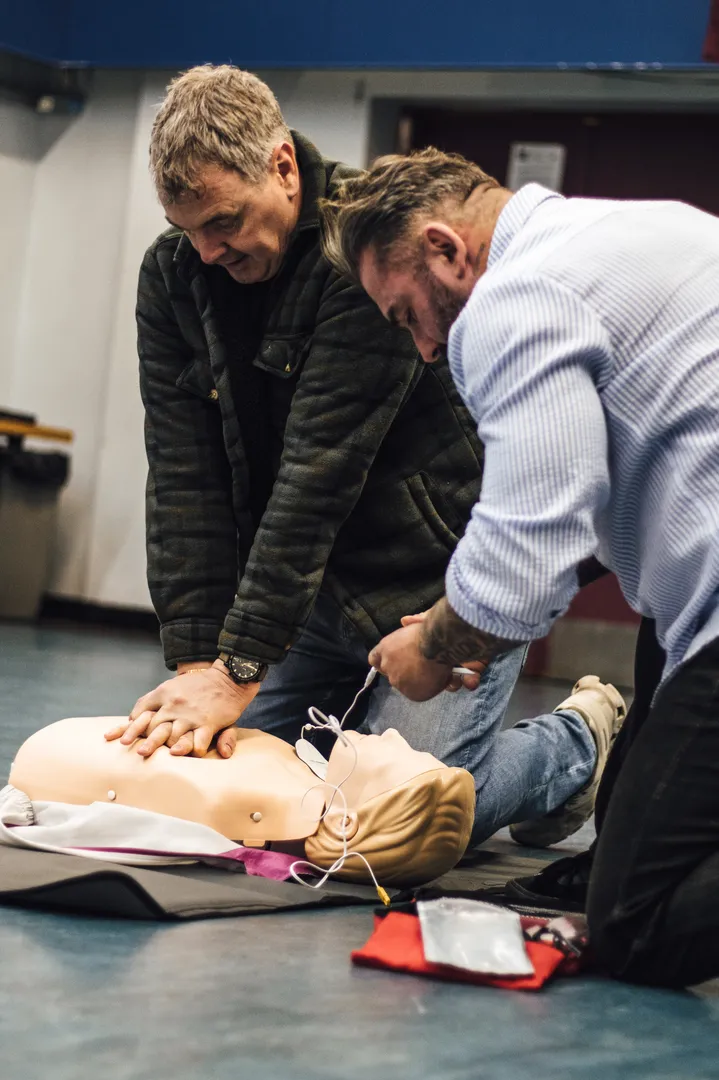
First Aid at Work Training with Lead Element Training Wing LTD is the higher-coverage option. It can be especially attractive for sites that want stronger safety capability.
- Broader Coverage: Suitable when clients want more comprehensive first aid support.
- Supports Progression: Useful for team leads and supervisors managing incidents.
- Builds Client Confidence: Corporate clients often value visible safety competence.
- Stronger Career Profile: Helps position you for better sites and responsibility.
Who It Is Best For: Officers aiming for better contracts, higher pay bands, or progression into leadership.
Explore First Aid at Work here: https://security-guard-training.co.uk/training/first-aid-at-work-training/
Corporate-Ready Skills: Report Writing, Customer Service, Conflict Management, Radio Procedure
- Report Writing: Write factual, time-stamped notes. Avoid opinions and keep it audit-ready.
- Customer Service: Use polite refusals, offer alternatives, and keep your tone professional.
- Conflict Management: De-escalate early, keep a safe distance, and call for support when needed.
- Radio Procedure: Be clear, concise, and calm. Avoid unnecessary detail over open channels.
How To Find Corporate Security Jobs In London
Where Roles Are Advertised (Job Boards, Contractors, FM Firms) And What To Search
- Job Boards: Search daily, as corporate roles can fill quickly.
- Security Contractors: Many run large corporate contracts across the City, Canary Wharf, and the West End.
- Facilities Management Providers: FM firms often manage security alongside reception and building services.
- Networking: Colleagues and supervisors can help you move onto better sites once you are in.
Best Keywords: ‘Corporate Security Officer’, ‘Front Of House Security’, ‘Reception Security’, ‘CCTV Controller’
- Corporate Security Officer London: A strong general keyword for entry roles.
- Front Of House Security: Often used for reception and concierge-style roles.
- Reception Security Officer: Focuses on visitor management and access control.
- CCTV Controller / CCTV Operator: Used for control room and monitoring jobs.
London-Specific Practicalities: Commuting, Nights, Weekends, Site Locations
- Commuting Reality: Early starts and late finishes can affect travel. Plan your route in advance.
- Shift Patterns: Many corporate contracts use 12-hour shifts, including nights and weekends.
- Location Hotspots: City of London, Canary Wharf, Stratford, Paddington, Victoria, and larger business parks.
Corporate Security CV And Interview Tips
What To Include: SIA Badge Status, Incident Logs, Customer Service Examples, First Aid
- SIA Status: State “SIA licensed” with the licence type, or “Training complete, licence applied” if it is pending.
- Customer Service Proof: Use examples from retail, hospitality, reception, or transport.
- Incident Examples: Keep them short and structured (STAR style). Focus on calm communication and procedure.
- First Aid: List certificates clearly, as it often helps you stand out.
If you are planning your training, start with the Lead Element Training Wing LTD blog and the training pages.
Scenario Questions: Visitor Refusal, Lost ID, Aggression, Evacuation, Suspicious Packages
- Visitor Refusal: Explain how you follow policy, stay polite, and escalate to the host or manager.
- Lost ID: Describe the safe alternatives allowed by site policy and how you verify identity.
- Aggression: Talk through de-escalation, safe distance, calling support, and recording details.
- Evacuation: Mention the fire plan, guiding people to assembly points, and reporting to the incident controller.
- Suspicious Package: Explain isolation, escalation, and following site and police guidance without taking risks.
Pay, Shifts And Progression In London Corporate Security
Shift Patterns And What Affects Pay (Nights, Control Room, Supervisor Duties)
Pay varies by contract, location, and responsibility. These factors can increase pay:
- Nights And Weekends: Often paid at a premium, depending on the contract.
- Control Room Responsibility: CCTV and alarm response roles can pay more due to higher accountability.
- Supervisor Duties: Team leading, rostering, and client liaison can increase rates.
Tip: When comparing roles, ask if the site is static, front of house, or control room-based, and whether there are allowances.
Progression Routes: Supervisor, Site Manager, Control Room Lead, Close Protection
- Senior Officer or Supervisor: Move into mentoring, handovers, and quality checks.
- Control Room Lead: Lead escalation decisions, coordinate incidents, and oversee reporting.
- Site Manager: Support client meetings, audits, KPIs, and contract performance.
- Close Protection: A separate pathway for executive security once you have experience and the right temperament.
If you are renewing or returning to the industry, staying compliant helps protect your shifts on corporate contracts.
Refresher Door Supervisor Security Training, Best For Licence Renewal Compliance
If you already have a DS badge, refresher training can help you stay current and avoid delays when renewing.

Refresher Door Supervisor Security Training with Lead Element Training Wing LTD helps existing badge holders prepare for renewal and stay employable on corporate sites where compliance matters.
- Supports Renewal Readiness: Helps you meet refresher expectations for ongoing work.
- Protects Employability: Many employers check training currency before assigning shifts.
- Matches Corporate Standards: Useful where clients expect consistent procedures and professionalism.
Who It Is Best For: Licensed officers renewing their DS badge or returning after time away.
See refresher options here: https://security-guard-training.co.uk/training/refresher-door-supervisor-security-training/
Close Protection Refresher Training, Best For Maintaining Executive Protection Competence
If you work in Close Protection, refresher training can help you stay current and credible for executive protection roles.

Close Protection Refresher Training with Lead Element Training Wing LTD is designed for experienced professionals who want to maintain competence and stay credible for executive protection work.
- Maintains Professional Standards: Helps you stay aligned with current best practice.
- Supports Employability: Useful when clients expect evidence of recent training.
- Career Continuity: Particularly helpful if you have had a break from CP work.
Who It Is Best For: Experienced close protection operatives working in and around London corporate and VIP environments.
Explore CP refresher training here: https://security-guard-training.co.uk/training/refresher-close-protection-training/
FAQs
How Long Does It Take To Get An SIA Licence?
It varies, but it often takes several weeks once you submit your application and complete identity checks. Delays are commonly caused by document issues or address history problems. For the most accurate guidance, check GOV.UK.
Can I Work While My SIA Application Is Pending?
In most licensable security roles, you cannot do licensable activity until your licence is granted. Some employers may offer non-licensable duties while you wait, but it depends on the role and site rules.
What If I Have A Conviction?
Some convictions can affect licensing. Outcomes depend on the offence and how long ago it occurred. The SIA considers criminality as part of the decision process. Use the official SIA guidance via GOV.UK and be honest on applications.
Do I Need Refresher Training For Licence Renewal?
Refresher requirements can apply, depending on the licence type and current SIA rules. If you are renewing a Door Supervisor licence, check the latest requirements and consider Refresher Door Supervisor Security Training to stay compliant.
Fun Fact: Corporate Security Is Often The Building’s Front Desk
On many London corporate sites, the security team effectively runs the building’s front desk. Client satisfaction and tenant experience can influence contract renewals. Because of that, employers often value customer service, communication, and report writing as highly as physical guarding skills.
Conclusion: Your Fastest Route Into Corporate Security In London
If you want the most direct route into corporate security in London, decide between front-of-house and control room work. Then take the matching SIA course, apply for your licence, and tailor your CV to professionalism and customer service. To plan your route quickly, explore SIA training with Lead Element Training Wing LTD, or contact Lead Element Training Wing LTD for help choosing the right course for your target role.
Reviewed By: An SIA trainer with London delivery experience. Training and licensing rules can change, so confirm the latest steps and fees on GOV.UK.

![Aviation security london [city]](https://security-guard-training.co.uk/wp-content/uploads/2026/08/aviation-security-london-768x1152.webp)
![Security by buildings [city]](https://security-guard-training.co.uk/wp-content/uploads/2024/04/5_Security-by-buildings-768x512.webp)
