
![TOP UP SECURITY GUARD TRAINING [city]](https://security-guard-training.co.uk/wp-content/uploads/2024/03/TOP-UP-SECURITY-GUARD-TRAINING.jpg)
What security jobs can you get in London after completing an SIA course?
After completing an SIA course in London, you can apply for roles such as door supervisor, security officer (manned guarding), retail loss prevention, CCTV operator, corporate reception security, event security, mobile patrol and keyholding, and construction site security. The jobs you can do depend on the SIA licence you hold, plus any add-ons such as CCTV or first aid.
London is one of the UK’s busiest security job markets. There are roles across the West End night-time economy, Canary Wharf corporate sites, and major venues. Below, you will find a clear job-to-licence map, London hotspots, realistic pay factors (without hype), and a practical checklist to help you get hired quickly.
Compliance Note: SIA rules and role requirements can change. Always verify details via the official Security Industry Authority (SIA) and GOV.UK SIA licence application pages.
Quick Course Links If You Already Know The Role You Want:
- Front-of-house (venues, events, retail): Explore Door Supervisor Training.
- Control room and monitoring roles: Compare CCTV Training options.
Quick Answer: Security Jobs In London You Can Do After An SIA Course
If you complete the relevant SIA training and successfully obtain your SIA licence, common London roles include:
- Door Supervisor: Licensed security at venues, bars, clubs, and many events.
- Security Officer (Manned Guarding): Guarding buildings, construction sites, offices, and logistics hubs.
- Retail Security and Loss Prevention: Preventing theft, managing incidents, and supporting store safety.
- CCTV Operator (Public Space Surveillance): Monitoring cameras in control rooms and public spaces.
- Corporate Reception Security: Access control, visitor management, and patrols in office environments.
- Event Security: Crowd management, searching, queue control, and incident response at large events.
- Mobile Patrol and Keyholding: Patrol rounds, alarm response, and lone working shifts.
- Construction Site Security: Gatehouse duties, delivery checks, perimeter checks, and patrols.
- Concierge and Residential Security: Security presence in residential developments and mixed-use buildings.
- Close Protection Operative: Specialist protection work, which needs extra training and is not entry-level for most people.
Featured snippet tip: In most cases, your SIA licence type decides which roles you can apply for, not only the course you attended.
Which SIA Licence Did You Train For? (This Decides What Jobs You Can Do)
The SIA licences people who carry out licensable activities. The legal basis comes from the Private Security Industry Act 2001. In practice, employers use your licence type to confirm you can legally do the role on their site.
| Job Role | SIA Licence Typically Required |
|---|---|
| Door Supervisor (clubs, bars, some events) | Door Supervisor |
| Event Security (frontline searching, crowd roles) | Door Supervisor (Common requirement) |
| Retail Security Officer and Loss Prevention | Door Supervisor or Security Guarding (Depends on duties and site policy) |
| Corporate Security Officer (reception, access control) | Security Guarding (Sometimes Door Supervisor for wider frontline duties) |
| Construction Site Security (gatehouse, patrol) | Security Guarding |
| CCTV Operator (public space surveillance) | CCTV (Public Space Surveillance) |
| Mobile Patrol and Keyholding Response | Security Guarding (Often required) |
| Close Protection Operative | Close Protection |
Table Review: Checked for consistency with common licensable activity categories and London hiring norms by a training team member at Lead Element Training Wing LTD familiar with SIA role mapping. Always confirm requirements with the employer and the SIA.
Door Supervisor Training, Best For London Venues And Events

Door Supervisor Training follows the licence route that many London employers ask for in venues, events, and other busy public-facing sites.
- Role flexibility: Helps you target nightlife, events, and many frontline roles.
- Employability focus: Built around common London hiring expectations.
- Public-facing readiness: Supports confident communication and incident handling.
- Progression base: Helps you build experience for events or supervisory roles.
Who It’s Best For: Anyone aiming for Door Supervisor jobs in London and wanting a widely recognised entry route. Explore Door Supervisor Training.
CCTV Training, Best For Control Room And Monitoring Roles

CCTV Training supports learners aiming for CCTV operator roles where the CCTV (Public Space Surveillance) licence is required for monitoring duties.
- Licence alignment: Helps you match roles that specify CCTV licensing.
- Control room confidence: Reinforces monitoring, logging, and escalation habits.
- Stronger applications: Useful for retail estates and large multi-site operations.
- Calm decision-making: Helps build professional control room behaviours.
Who It’s Best For: Candidates targeting CCTV and monitoring roles across London. See CCTV Training options.
Door Supervisor Licence: Venues, Events And Front-Of-House Roles
This is one of the most flexible starting points in London. Employers often ask for it in nightlife and other public-facing environments.
- Typical workplaces: Nightclubs, bars, pubs, live music venues, and event entry points.
- Common tasks: Searching, queue management, incident response, and customer communication.
- Helpful add-ons: First aid, strong conflict management examples, and event experience.
Security Guarding Licence: Manned Guarding And Site, Security Roles
Security Guarding suits static sites such as offices, warehouses, and construction projects. The work often focuses on patrols and access control.
- Typical workplaces: Corporate buildings, construction sites, logistics, and industrial units.
- Common tasks: Patrols, gatehouse duties, visitor logs, emergency procedures.
- Helpful add-ons: First aid, fire marshal awareness, and clear incident reports.
CCTV (Public Space Surveillance) Licence: Monitoring And Control Room Jobs
This licence covers public space surveillance roles. Many London control room jobs ask for it specifically.
- Typical workplaces: Retail estates, public space monitoring, large sites with control rooms.
- Common tasks: Monitoring, logging, evidence handling, and radio communication.
- Helpful add-ons: Strong written English, calm decision-making, attention to detail.
Close Protection Licence: Specialist Executive Protection Work (Extra Training And Experience)
Close Protection is a specialist pathway. For most people, it is a progression step rather than a first security job in London.
- Typical workplaces: High-net-worth protection, corporate travel, VIP residential.
- Common tasks: Advance planning, supporting risk assessments, and close escort duties.
- Helpful add-ons: Driving, strong communication, professionalism, and relevant experience.
Top Security Job Roles In London (What You Do And Typical Requirements)
Door Supervisor (Clubs, Bars, Late-Night Venues)
Door Supervisor work in London combines conflict management, customer service, and professional judgement in busy settings.
- Licence: Door Supervisor.
- Typical requirements: Clear communication, strong boundaries, and reliable night and weekend availability.
- Shift reality: Late finishes are standard in the night-time economy.
Training That Helps: For Door Supervisor jobs London-wide, make sure your qualification matches the licence route. See Door Supervisor Training on Lead Element Training Wing LTD.
Event Security (Arenas, Stadiums, Exhibitions, and Festivals)
Event work can be a strong entry route because it builds experience quickly, especially in peak season.
- Licence: Often a Door Supervisor for frontline duties.
- Typical requirements: Customer service, patience, radio communication, teamwork.
- Shift reality: Expect long shifts and weekend-heavy rotas during busy periods.
Retail Security Officer And Loss Prevention (High Street And Shopping Centres)
Retail security focuses on visibility, deterrence, and calm incident handling. Clear reporting also matters.
- Licence: Door Supervisor or Security Guarding (Depends on duties and site policy).
- Typical requirements: Professional approach, strong written reports, calm under pressure.
- Shift reality: Day shifts are common, with later finishes in busy areas.
Corporate Security Officer (Reception, Access Control, Patrols)
Corporate security in the City of London and Canary Wharf often centres on access control, visitor management, and patrols.
- Licence: Usually Security Guarding.
- Typical requirements: Polished customer service, strong spoken English, and reliable punctuality.
- Shift reality: Many sites run 24/7, so nights are common on the rota.
CCTV Operator (Retail Hubs, Estates, Public Space Monitoring)
CCTV operator jobs in London are often control room roles. Accuracy, logging, and evidence handling are key.
- Licence: CCTV (Public Space Surveillance), where required.
- Typical requirements: Attention to detail, calm decision-making, clear written communication.
- Shift reality: Many control rooms run 24/7, so night shifts are common.
Training That Helps: If you are targeting CCTV operator roles, a dedicated CCTV SIA course London route can help you match employer requirements.
Mobile Patrol And Keyholding Response (Alarms, Lone Working, Night Work)
This role involves travelling between sites, responding to alarms, and completing patrols. It suits people who work well independently.
- Licence: Usually Security Guarding.
- Typical requirements: Reliability, lone worker awareness, and often a clean driving history if a vehicle is provided.
- Shift reality: Nights and unsociable hours are common.
Construction Site Security (Gatehouse, Deliveries, Perimeter Checks)
Construction security is a steady option across London, especially near major redevelopment zones.
- Licence: Security Guarding.
- Typical requirements: Consistent routines, clear logging, and confidence following site procedures.
- Shift reality: Early starts or nights, depending on site hours.
Concierge And Residential Security (Developments, Luxury Apartments)
Residential sites want a professional, helpful presence. You may combine concierge-style service with security duties.
- Licence: Often Security Guarding, sometimes Door Supervisor, depending on duties.
- Typical requirements: Customer service, professionalism, attention to detail.
- Shift reality: Many roles use 12-hour shifts on a rota.
Close Protection Operative (Progression Route)
Close protection roles are competitive. Most employers expect more than the licence, including solid references and relevant experience.
- Licence: Close Protection.
- Typical requirements: Discretion, planning mindset, fitness, strong professional conduct, and often operational experience.
- Shift reality: Travel and irregular hours are common.
Where These Jobs Are Most Common In London
West End And Westminster: Night-Time Economy, Tourism And Flagship Retail
- Best for: Door Supervisor, event work, retail security.
- Why: High footfall, late openings, and a high density of venues.
City Of London And Canary Wharf: Corporate Sites And High-Value Assets
- Best for: Corporate security officer, reception security, CCTV control rooms.
- Why: Managed buildings, structured procedures, and 24/7 operations.
Retail Hubs And Shopping Centres: Loss Prevention And Store Security
- Best for: Retail security officer, CCTV operator, mobile patrol support.
- Why: Ongoing shrink prevention and safety coverage needs.
Major Venues: O2, Wembley Area, ExCeL, and Large Event Circuits
- Best for: Event security and stewarding-style duties (Where licensable activity requires SIA).
- Why: Seasonal peaks, large crowds, and multiple roles per event.
Entry Requirements: London Security Employers Typically Expect
SIA Licence, Right To Work, Screening And ID Checks
- SIA licence: Must match the role’s licensable activity.
- Right to work: Employers will ask for valid proof.
- Screening: Many employers use pre-employment vetting and may request a DBS check, depending on the site.
- ID checks: Bring a passport or photo ID, plus proof of address if requested.
For the official application process, use GOV.UK Apply for an SIA licence.
Customer Service, Communication, and Conflict Management
- Communication: Clear spoken English and confident radio use.
- Customer service: Essential for corporate, retail, and residential sites.
- Conflict management: Staying calm and using lawful, proportionate responses.
Shift Patterns, Lone Working, and Fitness Expectations
- Shift flexibility: Nights and weekends increase your options in London.
- Lone working: Mobile patrol and some sites require independence.
- Fitness: You do not need to be an athlete, but you should manage long periods of standing or walking.
Pay And Shifts: What To Expect For Security Work In London
Typical Hourly Rates By Role (And What Affects Pay)
Rates vary by borough, contract, site risk level, and shift type. Instead of focusing on a single number, use these factors to judge whether a role is likely to pay more:
- Nights and weekends: Higher demand often increases rates.
- Specialist skills: CCTV, first aid, and control room experience.
- Higher-compliance sites: Corporate contracts with tighter procedures.
- Experience and references: Proven incident handling and reliable attendance.
For wider labour market context, the Office for National Statistics (ONS) publishes UK-level employment and earnings data. It may not reflect individual London security contracts.
Days Vs Nights Vs Weekends: Common Rota Patterns
- Retail and corporate days: Often 8 to 12-hour shifts on structured rotas.
- Night-time economy: Late starts and late finishes, with weekend-heavy work.
- 24/7 sites and control rooms: Patterns such as 4 on 4 off are common, including nights.
How To Get Hired Quickly After Your SIA Course (London Checklist)
Apply For Your SIA Licence: Steps, Timeline, and Common Mistakes
After you pass your SIA training, apply for your licence via GOV.UK. Timelines vary, so apply as early as you can.
- Step 1: Create your online application and complete identity verification.
- Step 2: Submit accurate address history and personal details.
- Step 3: Pay the fee and track progress.
- Common mistakes: Wrong address history, mismatched names, and delays in providing ID documents.
Use the official guide: Apply for an SIA licence.
Build A London-Ready Security CV (Skills Employers Look For)
Hiring managers often scan quickly. Build your CV around skills you can use on-site from day one:
- Access control: Visitor management, passes, contractor sign-in.
- Incident reporting: Clear, factual reports and escalation.
- Conflict management: De-escalation examples using lawful, proportionate action.
- Customer service: Especially for corporate and residential sites.
- Reliability: Punctuality, rota discipline, and availability when needed.
For more job-hunting tips, browse the Lead Element Training Wing LTD blog.
Where To Find Vacancies (And How To Approach Agencies)
- Security companies and venues: Apply directly through careers pages where possible.
- London agencies: Ask which licence the site needs before you accept shifts.
- Networking: Event work often leads to referrals if you are reliable and professional.
If you are unsure which route fits your goals, explore Lead Element Training Wing LTD training courses or contact the team for guidance on London course dates.
Interview Prep: Scenario Questions And What To Say
London security interviews often include scenario questions. Prepare short, structured answers:
- Aggressive customer at entry: Explain how you de-escalate, set boundaries, and call for support.
- Suspicious behaviour on CCTV: Describe observation, logging, radio communication, and escalation.
- Refused entry dispute: Show calm communication, consistent policy use, and safety-first actions.
Courses That Boost Employability And Earning Potential
To improve your chances of getting hired and potentially your rate, consider adding job-relevant training. Employers value extra skills because they reduce risk and improve outcomes.
| Course | What It Helps With | Best For |
|---|---|---|
| Door Supervisor Training | Frontline, public-facing security eligibility | Venues, events, retail, busy London sites |
| CCTV Training | Control room readiness and CCTV licence pathway | CCTV operator roles, monitoring, and estates |
| Emergency First Aid at Work | Confidence responding to incidents on shift | Door, retail, corporate, events |
| Close Protection Training | Specialist progression pathway | Experienced operatives aiming to specialise |
Emergency First Aid At Work Training Course, Best For Frontline Shifts

Emergency First Aid at Work is a short, practical option that can help you stand out for busy public-facing roles.
- Employer confidence: Shows you can support incident response on shift.
- Workplace value: Useful in retail, events, and corporate sites.
- Practical skill: Helps you act calmly during medical incidents.
- Career support: Strengthens applications where first aid is preferred.
Who It’s Best For: New starters who want an employability boost across many entry-level London security roles. See Emergency First Aid at Work.
First Aid At Work Training, Best For Higher-Responsibility Sites
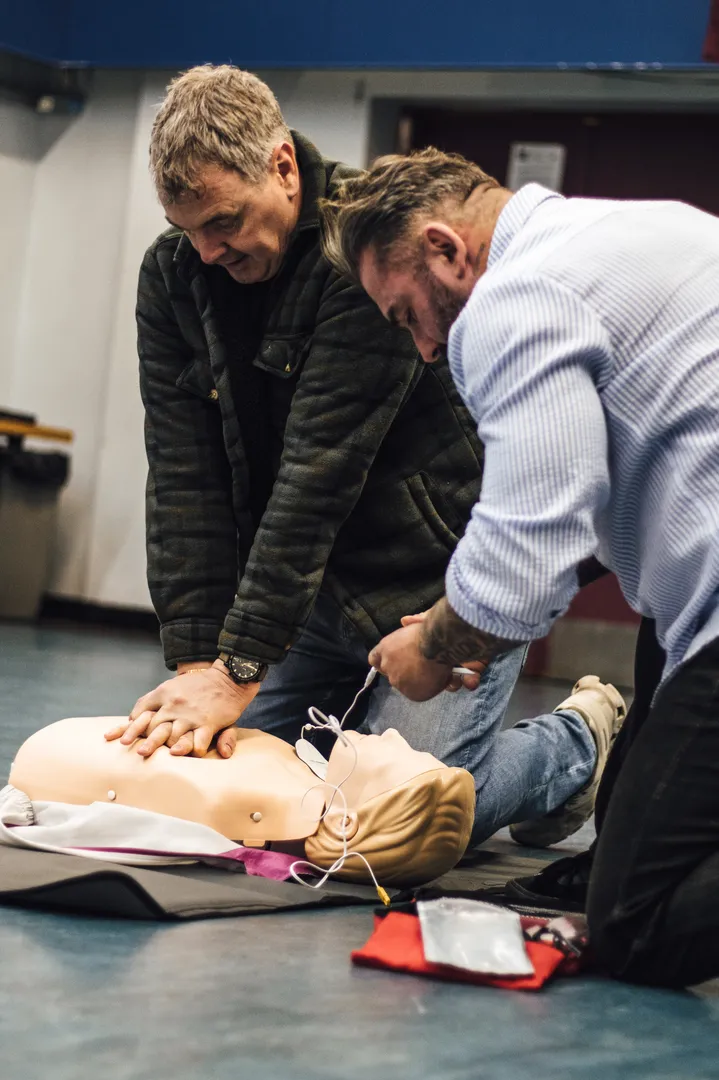
First Aid at Work Training is more in-depth. It can suit longer shifts or sites with stronger compliance expectations.
- Deeper coverage: More comprehensive than a basic emergency course.
- Progression-friendly: Supports applications for supervisory or high-compliance contracts.
- Site readiness: Builds confidence for sustained incident response.
- Hiring signal: Shows you take safety responsibilities seriously.
Who It’s Best For: Security professionals targeting corporate, residential, or complex sites. Explore First Aid at Work Training.
For guidance on first aid expectations at work, see the HSE first aid at work overview.
Close Protection Training, Best For Specialist Progression

Close Protection Training is for those planning a move into specialist executive protection work, usually after building frontline experience.
- Specialist pathway: Supports progression beyond standard guarding.
- Professional standards: Reinforces planning, discretion, and client-focused conduct.
- London opportunity: There is demand, but competition is high.
- Career focus: Helps you target a clear, higher-skill direction.
Who It’s Best For: Operatives with a solid track record who want to specialise. Compare close protection training London options.
Refresher Training, Staying Compliant, and Employable
Refresher training helps you stay compliant and employable. If your role needs updated training, staying current can protect your work options.
- Door Supervisor refreshers: Explore Refresher Door Supervisor Security Training.
- Close Protection refreshers: Review Close Protection Refresher Training.
Career Progression In London Security
From Officer To Supervisor, Controller, Or Operations
- Supervisor: Helps with team leadership, briefings, and incident coordination.
- Controller: Common in CCTV and mobile operations, coordinating responses and logs.
- Operations: Contract management, client relationships, and compliance oversight.
Specialising In Retail, Corporate, Events, CCTV, Or Close Protection
Progression is often faster when you choose a pathway and build a track record in it:
- Retail: Strong reporting and calm incident handling.
- Corporate: Polished customer service and procedural discipline.
- Events: Crowd roles, teamwork, and peak-season reliability.
- CCTV: Control room accuracy and evidence-quality logging.
- Close protection: Discretion, professionalism, and specialist training.
Fun Fact: Why The SIA Badge Is Often A Legal Requirement
The SIA was established under the Private Security Industry Act 2001. For many frontline roles in London, the ‘SIA badge’ is a legal requirement, not just an employer preference.
FAQs: SIA Jobs In London
Can I Work Before My SIA Badge Arrives?
In most cases, you must have a valid SIA licence before you do licensable activity. Some employers may onboard you for non-licensable duties, but do not assume you can start frontline work before your licence is granted. Check the latest guidance on the SIA website.
Do I Need A Door Supervisor Licence For Retail Security?
It depends on the duties and the site policy. Some retail roles accept Security Guarding, while others prefer or require a Door Supervisor because conflict management is more likely. Always read the job description and confirm with the employer.
Is CCTV A Separate SIA Licence?
Yes. CCTV (Public Space Surveillance) is a separate licence for relevant monitoring activities. If a job advert specifies CCTV licensing, you will usually need the CCTV route.
Do London Security Jobs Require First Aid?
Not always, but many employers prefer it because it improves on-site response. The HSE explains how first aid arrangements work. For candidates, first aid is a strong employability signal.
Conclusion: Choose The Licence, Then Target The Right London Sites
After your SIA course, the fastest route into London security work is simple: match your target role to the right SIA licence, apply for the licence quickly, then apply to the sectors that cluster near you.
If you want help choosing the right training route or add-ons for the shifts you want, explore training options with Lead Element Training Wing LTD or contact Lead Element Training Wing LTD to discuss London course dates and job-ready next steps.


![Which sia course offers the best value for money [city]](https://security-guard-training.co.uk/wp-content/uploads/2026/06/Which-SIA-course-offers-the-best-value-for-money-768x512.webp)
![Security operators by escalators [city]](https://security-guard-training.co.uk/wp-content/uploads/2024/04/3_2-security-operators-by-escalators-768x512.webp)
![Aviation security london [city]](https://security-guard-training.co.uk/wp-content/uploads/2026/08/aviation-security-london-768x1152.webp)
