
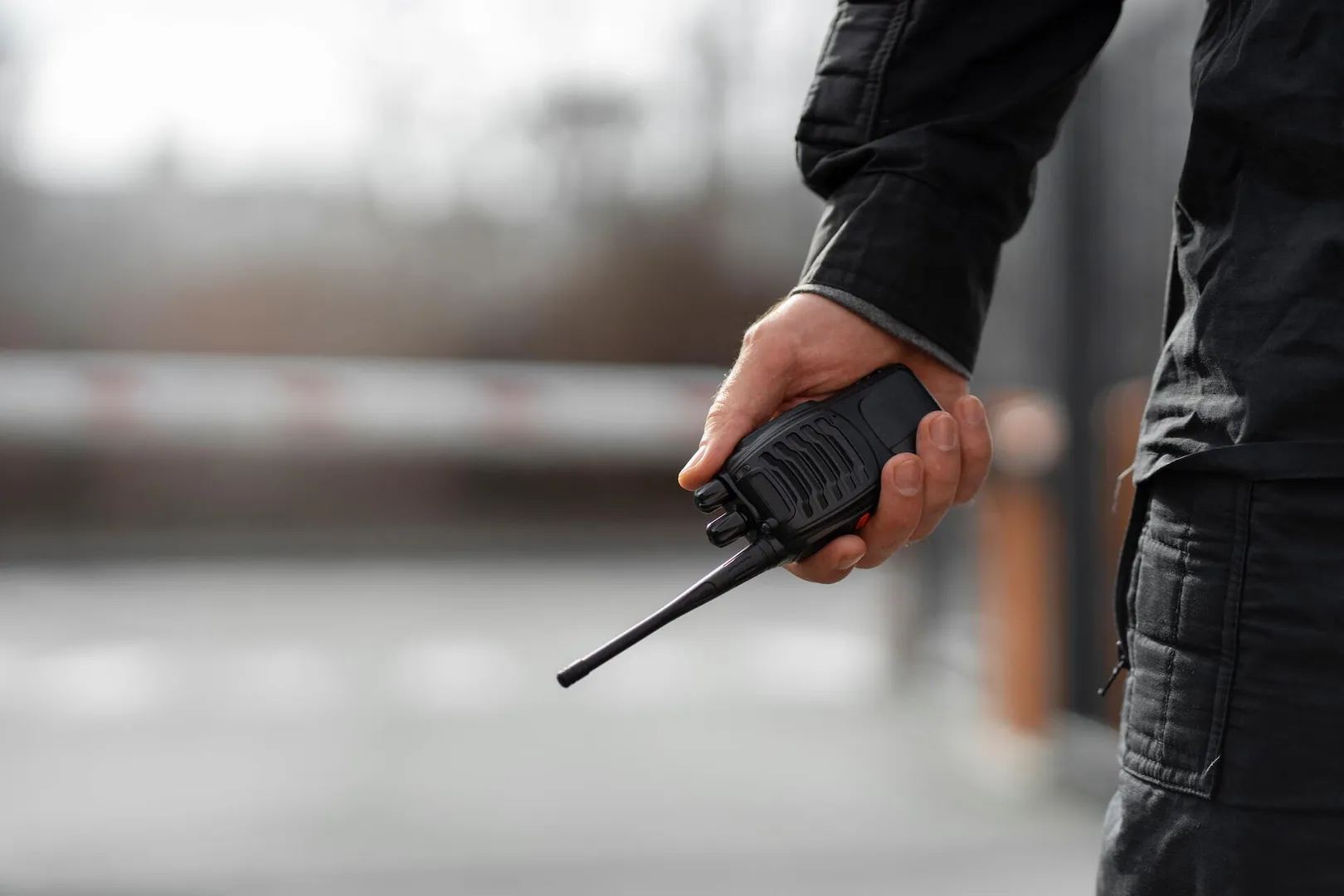
What SIA licence do you need to work at London music venues and nightclubs?
For London music venues and nightclubs, the SIA Door Supervisor licence is usually required because the job often includes controlling entry, searching customers, managing crowds, and dealing with ejections. If you only guard premises and have no door duties, Security Guarding may apply. CCTV-only roles may need an SIA CCTV licence, plus SIA-approved training and checks.
Compliance note: This guide provides general information for London nightlife and live music venues. Always check the latest official requirements on GOV.UK and with the Security Industry Authority before booking training or applying.
London venues move fast. Think busy queues, alcohol, high footfall, and higher safety expectations. That is why choosing the right SIA licence matters. Get it wrong and you could lose shifts, delay your start date, or take on duties you are not licensed to do. This guide helps you match venue tasks to the right licence, then explains what to do next.
Quick Answer: The SIA Licence Most London Nightclubs And Music Venues Require
In most London nightclub and music venue roles, you will be:
- Controlling entry: Managing queues, checking IDs, refusing entry, and enforcing venue conditions.
- Searching customers: Bag checks, wanding, and pat-down searches (where venue policy applies).
- Managing crowds: Monitoring capacity, reducing crush risk, and de-escalating conflict.
- Responding to incidents: Removing intoxicated or aggressive customers and liaising with police or medical staff.
These tasks usually fall under Door Supervision. Official starting points:
Door Supervisor Vs Security Guarding Vs CCTV: What Each Licence Actually Covers
Here is a simple way to think about it for London venues:
- Door Supervisor licence: For roles that include entry control, searching, and duties linked to managing access to a venue.
- Security Guarding licence: For guarding premises where you are not doing door work (this can apply to some back-of-house roles if you have no entry duties).
- CCTV licence: For public space CCTV monitoring as part of security operations, including control room duties.
What ‘Licensable Activity’ Means In A Venue (Plain-English Definition)
Licensable activity is security work that legally requires an SIA licence. In venue terms, it often includes:
- Guarding premises against unauthorised access: Preventing entry or removing trespassers.
- Preventing disorder or damage: Intervening to stop fights, vandalism, or serious disruption.
- Door supervision: Working at the entrance to licensed premises, or doing tasks treated as door work, such as searching and managing admission.
- Public space CCTV monitoring: Observing and responding to incidents via CCTV for security purposes.
If you are paid to do these activities for a venue, you will usually need the correct licence.
Why Door Supervisor Is Common Even For Inside-The-Venue Roles
Many London clubs and music venues use “floaters” or “pit and floor security”. You may spend most of the night inside. Even so, venues often ask for Door Supervisor licensing because the role can include:
- Supervising ejections: Supporting the safe removal of customers.
- Supporting refusals: Reinforcing entry refusal when someone tries to push past or re-enter.
- Helping with searches: Covering search lanes during rush periods.
This is why “I work inside, so I only need Security Guarding” is a common and costly mistake in nightlife work.
Which SIA Licence Do You Need? (London Venue Scenario Checker)
Use this quick “role, task, licence” checker for London music venues and nightclubs.
| Venue Role Or Task | Licensable Activity Trigger | Licence Usually Needed | Common London Job Titles |
|---|---|---|---|
| ID checks, refusing entry, managing queues | Controlling access to licensed premises | Door Supervisor | Door staff, front of house security |
| Searching customers (bags, pat-down, wanding) | Door supervision activity linked to admission | Door Supervisor | Search lane, security screener |
| Dancefloor crowd control, breaking up fights | Preventing disorder, protecting people and property | Often Door Supervisor | Floor security, response team |
| Ejecting customers from a club | Removal linked to access control | Door Supervisor | Response, SIA door supervisor |
| Back-of-house static guarding only (no entry duties) | Guarding premises against unauthorised access | Security Guarding (Role-dependent) | Security officer, site guard |
| CCTV monitoring for security decisions | Public space CCTV licensable activity | CCTV | CCTV operator, control room |
| Ushering, ticket scanning only (no security intervention) | May be non-licensable, depending on duties | Possibly none | Steward, event staff |
On The Door: IDs, Refusals, Searching, Queues
If you do any of the following, you will typically need the SIA Door Supervisor licence:
- Checking ID and refusing entry: You control access.
- Searching patrons: This is often treated as door supervision in venue operations.
- Queue management linked to admission: You support the access control function.
Inside The Venue: Crowd Control, Ejections, Incident Response
Even if you never stand outside, you may still be expected to:
- Support ejections: Escort customers out safely.
- Respond to disorder: Intervene early, de-escalate, and call for back-up.
- Back up the door team: Move to the entrance during peak entry times.
Because these duties link closely to access control in practice, many venues require Door Supervisor rather than Security Guarding.
Static Guarding Only (No Door Duties)
If your role is genuinely limited to guarding a specific area, such as back-of-house corridors, staff entrances, or perimeter points, and you do not search customers, manage entry queues, or remove patrons, then Security Guarding may be the right licence.
When in doubt, ask the employer to confirm duties in writing. “Security” as a job title is not enough to identify the correct licence.
CCTV Monitoring And Control Room Duties
If your job focuses on cameras, logging incidents, directing response staff, and monitoring public areas, you may need an SIA CCTV licence. A common misconception is:
- Myth: CCTV in a venue never needs a licence.
- Reality: If you monitor public space CCTV for security purposes, it can be licensable. Check GOV.UK, CCTV licence.
This is also where CCTV licence vs Door Supervisor licence for venues matters. Some staff hold both to stay flexible across shifts.
Stewards And Event Staff: When You Might Not Need An SIA Licence
Some venue roles are not licensable, depending on the duties. Examples can include:
- Ticket scanning and ushering: Directing people to seats without security intervention.
- Customer service only: Answering questions and helping with accessible routes.
However, “steward” does not automatically mean non-licensable. If you are expected to prevent disorder, physically intervene, or remove people, it may become licensable security work.
Recommended Courses For Venue Work (What To Book Next)
Once you have matched your duties to the right licence, training is the next step. You can browse options via Lead Element Training Wing LTD training courses.
- Most nightclub and live music roles: Door Supervisor Training
- CCTV and control room pathways: CCTV Training
- Employability booster for venues: Emergency First Aid at Work Training Course
How To Get The Right SIA Licence (Training, Checks And Application Steps)
Most applicants follow the same compliance path:
Step 1, Confirm your role duties: Use the scenario checker above, then confirm with the venue or contractor.
Step 2, Complete SIA-approved training: Book the correct course for your target role.
Step 3, Pass the required assessments: This can include exams and practical elements.
Step 4, Apply for your SIA licence: Submit your application and pay the fee.
Step 5, Complete checks: Identity and criminality checks are part of the process.
Step 6, Receive your badge: You can then work in licensable roles within the licence conditions.
If your role includes searching customers or controlling entry, the usual next step is SIA Door Supervisor training in London. You can find details on Lead Element Training Wing LTD Door Supervisor Training.
Door Supervisor Training, Best For Nightclubs And Live Music Venues

Door Supervisor Training is the most common route into London nightclub door work and music venue security. It fits roles that include entry control, searching, crowd management, and incident response.
- Aligned with venue duties: Covers the core skills used on doors, in queues, and on the floor.
- Supports licence applications: Meets the training requirement before you apply for the badge.
- Builds conflict management skills: Helps with refusals, ejections, and fast-moving incidents.
- Improves safety awareness: Useful in high-footfall environments with late-night risks.
- Boosts employability: Many London contractors prefer Door Supervisors for venue shifts.
Who it’s best for: People targeting nightclub door staff, music venue front-of-house security, or inside response roles.
See course dates and details here: Explore Door Supervisor Training.
SIA-Approved Training, Exams And Certification (What To Expect)
Training prepares you for licensed premises work. It covers conflict management, safety responsibilities, and professional communication. For London nightlife, employers also look for good judgement under pressure.
Instructor insight: A common employability gap is not confidence. It is consistency: turning up on time, following procedures, and writing clear incident notes.
Identity And Criminality Checks: Common Reasons Applications Are Delayed
Licensing is often delayed by avoidable admin issues, including:
- Address history errors: Missing postcodes, incorrect dates, or gaps that do not match checks.
- Name mismatches: Different spellings across your ID and your application.
- Unreadable documents: Low-quality uploads or expired ID.
- Undeclared information: Not providing accurate details when asked.
If you want help choosing the right course before you apply, use Lead Element Training Wing LTD contact options.
Costs And Timelines For London Applicants (Realistic Expectations)
Costs vary by provider and personal circumstances, but most candidates should budget for:
- Training course fees: Based on the course type and schedule.
- SIA application fee: Payable during the licence application.
- Optional add-ons: First aid and CCTV training can improve employability.
Typical Timeline From Course To Badge
- Training completion: Complete training first, then apply.
- Application and checks: Processing times vary and depend on your information.
- Start planning: If you have a venue start date, book early to allow for processing time.
Tips To Avoid Delays (Documents, Address History, Name Mismatches)
- Prepare your ID in advance: Make sure it is valid and matches your current name.
- Write your full address history: Include move-in and move-out months and years.
- Use consistent details: Keep spellings and middle names consistent across forms.
- Upload clear scans: Well-lit images reduce back-and-forth.
Renewals And Refresher Training: Staying Compliant For Nightlife Work
Holding the right licence is not a one-off task. London venues and contractors often check that your badge is current. You may also need refresher training to renew.
When Door Supervisor Refresher Training Is Needed
If you already hold a Door Supervisor licence and it is due for renewal, you may need refresher training. Check early and book in advance to avoid losing shifts.
Refresher Door Supervisor Security Training, Best For Staying Venue-Ready

Refresher Door Supervisor Security Training suits existing badge holders who want to stay compliant and confident in high-footfall environments like London nightclubs and live music venues.
- Keeps you renewal-ready: Supports renewal requirements with up-to-date content.
- Reinforces safety-first decision-making: Useful for busy doors, queues, and late-night incidents.
- Helps maintain employability: Some contractors request refresher completion before allocating shifts.
- Refreshes incident handling: Reinforces procedures and reporting expectations.
Who it’s best for: Door Supervisors working regular London nightlife shifts who want to avoid gaps in their licence status.
Explore refresher training options here: Refresher Door Supervisor Security Training.
Extra Qualifications That Help You Get Hired At Venues
London music venues care about safety, customer experience, and reliable incident response. Alongside the right badge, extra qualifications can help you stand out.
First Aid Training For Venue Security (Why Employers Value It)
Many venue incidents are medical rather than criminal. Think fainting, minor injuries, or crowd-related issues. Adding first aid training for security staff in London can make you more useful on shift.
Emergency First Aid At Work Training Course, Best For Fast Venue Response

Emergency First Aid at Work Training Course is a practical option for door staff and venue security who want a recognised skill that supports safer nights out.
- Improves incident response: Helps you act quickly while waiting for medics.
- Supports safer crowd management: Useful for heat, intoxication, and minor injuries.
- Boosts employability: Many venues value staff who can support welfare incidents.
- Builds confidence: Helps you stay calm and structured in an emergency.
Who it’s best for: Anyone working club doors, dancefloor security, or response roles in busy London venues.
See course availability here: Emergency First Aid at Work Training Course.
First Aid At Work Training, Best For Supervisors And Senior Venue Roles
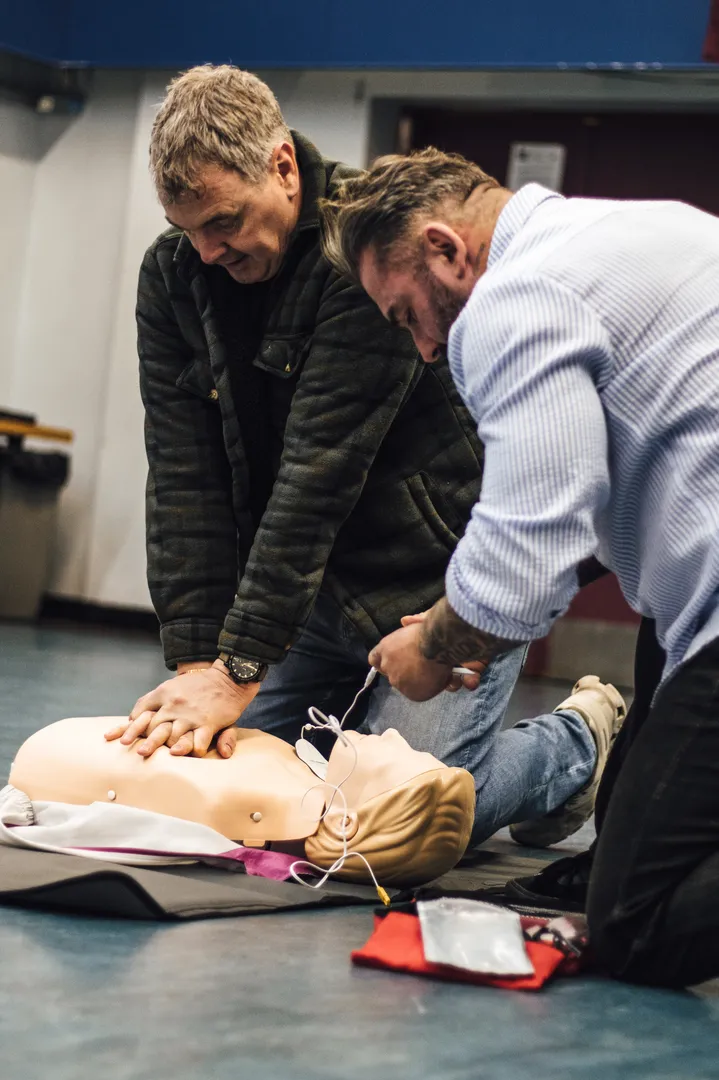
First Aid at Work Training is a more in-depth course. It can suit team leaders or those aiming for broader responsibility across a venue site.
- Deeper skills coverage: Helps with more complex incident scenarios.
- Strengthens leadership profile: Useful if you want to move into supervisor duties.
- Supports venue welfare response: Helps teams manage incidents more effectively.
Who it’s best for: Experienced staff aiming for progression in London venue security teams.
Compare options here: First Aid at Work Training.
Adding CCTV Training To Widen Your Job Options
If you want more shift flexibility, CCTV is a common add-on. Some venues rotate staff between floor response and control room support, especially during large events.
CCTV Training, Best For Control Room And Venue Monitoring Roles

CCTV Training supports roles where you monitor cameras, record incidents, and communicate with on-the-ground teams.
- Expands your job options: Adds monitoring and control room roles to your CV.
- Improves evidence quality: Supports better incident logs and handovers.
- Supports venue safety operations: Helps you spot issues early before they escalate.
- Pairs well with Door Supervision: Useful if you want mixed duties across a venue.
Who it’s best for: People targeting CCTV operator shifts, control room work, or multi-skilled venue security roles.
Explore CCTV training here: CCTV Training.
FAQ: London Music Venue And Nightclub SIA Licence Questions
Do Most London Nightclubs Require A Door Supervisor Licence?
Yes. Entry control, searching, and ejections are common duties. See GOV.UK, Door supervisor licence.
If I Only Work Inside The Club, Do I Need Security Guarding Instead?
Not always. Many inside roles still link to Door Supervision in practice. Confirm your duties, not only the job title.
Can I Work Club Doors With A Security Guarding Licence?
Usually not. Door work typically aligns with the Door Supervisor licence. For context, see GOV.UK, Security guard licence.
Do Stewards Need An SIA Licence At Music Venues?
It depends. If the role is purely customer service, it may be non-licensable. If you are expected to prevent disorder, intervene, or remove people, it can become licensable.
Do I Need An SIA CCTV Licence If I Watch Venue Cameras?
If you monitor public space CCTV for security purposes, it can be licensable. Start with GOV.UK, CCTV licence and confirm the exact duties.
What Else Helps Me Get Hired For London Venue Security?
Alongside the right badge, venues value reliability, communication, conflict management, and calm incident handling. First aid is also a strong add-on in welfare-heavy environments. For more guidance, browse Lead Element Training Wing LTD resources.
If you are ready to choose your course path, start at Lead Element Training Wing LTD and compare options across venue-focused training.
Fun Fact: Door Supervisor Does Not Always Mean “Outside On The Door”
Many people assume the Door Supervisor licence only applies to standing outside. In practice, it can also cover inside roles. That is because searching customers, refusing entry, and supervising ejections can count as door supervision activities.
Conclusion
For London music venues and nightclubs, the SIA Door Supervisor licence is usually the right choice. That is because real-world duties often include entry control, searching, and ejections. Security Guarding can apply to genuinely static, non-door roles. CCTV roles may require a dedicated CCTV licence.
Once you have matched your duties to the right licence, the next step is to book training. Explore Lead Element Training Wing LTD courses here, or contact Lead Element Training Wing LTD if you want help choosing the best option for your target venue role.

![Training for security guard [city]](https://security-guard-training.co.uk/wp-content/uploads/2024/03/Door-supervisor-training-city-768x512.jpg)
![Security by buildings [city]](https://security-guard-training.co.uk/wp-content/uploads/2024/04/5_Security-by-buildings-768x512.webp)
