
How Do You Prepare for Close Protection Training?
To prepare for close protection training, first confirm you meet the UK entry requirements. Then build steady fitness and stamina, revise the basics (risk assessment, conflict management, communication), and arrive with the right kit and mindset. Practise observation, note-taking and route planning. If you can, add a recognised first aid course to boost both capability and employability.
Close protection (bodyguard) training is practical, intensive, and very UK-specific. To feel confident on day one, separate two things:
- Licence Eligibility: Age, ID, right to work, and background checks.
- Course Readiness: Fitness, kit, study habits, and professional behaviour during scenarios.
Preparation Checklist (Fast Scan)
- Admin: Confirm your ID and right to work, read the joining instructions, and plan travel and timings.
- Fitness: Build walking stamina, stair tolerance, and basic strength. Avoid new max-effort workouts right before the course.
- Skills: Practise observation drills, note-taking, route planning, and calm communication under pressure.
- Study: Revise professional conduct, incident reporting, and high-level legal principles around reasonable force.
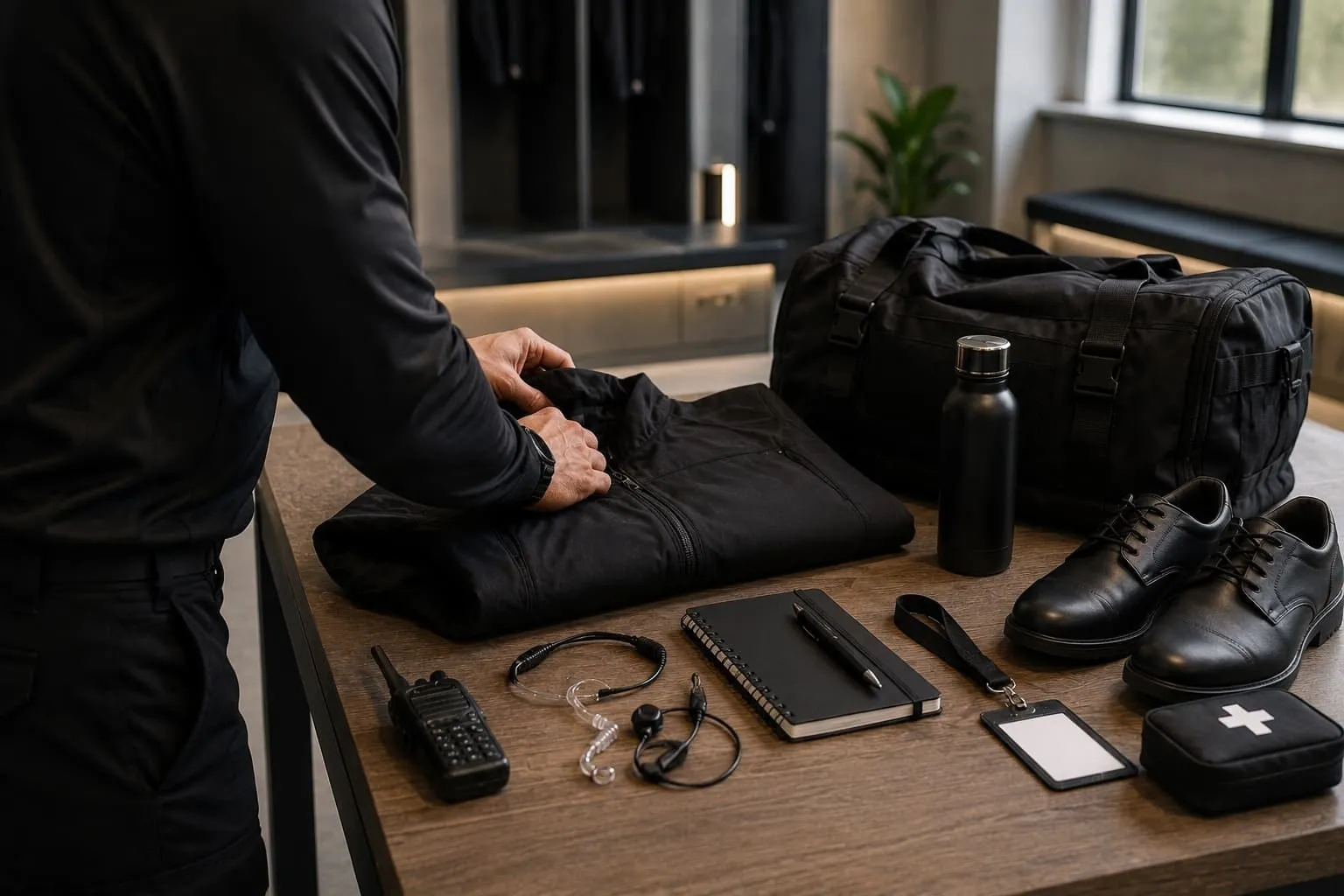
- Kit: Bring professional clothing, comfortable footwear, a notebook and pens, water, and required documents.
- Employability: Add first aid training if you do not already have it.
If you want a clear benchmark for what you will be expected to do in training, start here: Close Protection Training with Lead Element Training Wing LTD.
What Close Protection Training Involves (And What “Preparation” Really Means)
Good close protection is not about looking intimidating or trying to “win” confrontations. In the UK, close protection training focuses on planning, prevention, teamwork, and professional standards. The aim is to reduce risk before an incident happens.
Preparation means you arrive ready to:
- Learn fast: Training days can be long, with lots of movement and scenario debriefs.
- Work as part of a team: Clear communication, role discipline, and calm behaviour matter.
- Document properly: Notes and reports should be accurate, objective, and defensible.
Close Protection Training, Best For Getting A Clear Baseline

Close Protection Training from Lead Element Training Wing LTD builds the planning, communication, and operational fundamentals you need for close protection work in the UK.
- Scenario-led learning: Build confidence through practical exercises and clear feedback.
- Planning foundations: Develop threat awareness, route selection, and contingency thinking.
- Professional standards: Practise the behaviours expected in real security environments.
- Career direction: Learn what good looks like, so you can keep improving after the course.
Who It’s Best For: Anyone preparing for a close protection course who wants UK-relevant expectations, not Hollywood myths.
When your preparation is in place, explore dates and details here: See Close Protection Training options.
Typical Modules You’ll Encounter: Threat & Risk, Planning, Teamwork, Communications, Operational Delivery
Modules vary by provider, but most UK close protection operative training covers:
- Threat and risk: Identify hazards, assess likelihood and impact, then choose proportionate controls.
- Advance work: Carry out reconnaissance, check venues, plan entry and exit points, and set fallback options.
- Route planning: Build primary and alternative routes, consider timing, and identify choke points and safe areas.
- Teamwork and roles: Learn close-in roles, positioning, and handovers between team members.
- Communications: Give clear briefs, follow radio discipline, and deliver concise incident updates.
How You May Be Assessed (Practical Scenarios, Written Work, Professional Standards)
Assessment is usually a mix of practical and written work. Expect to be evaluated on:
- Decision-making: Choose safe, proportionate actions under time pressure.
- Composure: Stay calm, polite, and focused during fast-moving scenarios.
- Team communication: Give clear instructions, listen well, and follow good brief and debrief habits.
- Documentation: Produce notes and reports that are factual, timed, and unbiased.
Safety Note: Close protection training can be physically demanding. If you have a medical condition, an injury, or concerns about intense exercise, speak to your GP before starting a new training plan.
Entry Requirements To Check Before You Book
Always confirm requirements with your training provider and the regulator. The Security Industry Authority is the official regulator for UK private security licensing. For the wider regulatory context, see Security Industry Authority (SIA) guidance.
Age, ID, Right To Work, And English Level
Before booking, make sure you can prove eligibility and complete the course assessments. In practice, most learners should be ready to provide:
- Proof of identity: Such as a passport or other accepted ID, plus any extra documents requested.
- Right to work: Documents showing you can work in the UK.
- Functional English: Enough for briefings, radio comms, note-taking, and written assessments.
DBS And Criminality Considerations (And Why Honesty Matters)
Close protection training is not the same as getting an SIA licence, but it helps to think ahead. Licensing decisions can consider criminality and other factors, and you may need to disclose relevant history.
If you are unsure what appears on your record, GOV.UK explains how to request a copy of your criminal record. If a provider or a licensing process asks for declarations, accuracy matters. Being open early can save time and money later.
Is A Door Supervisor Or Security Background Required?
A security background is not always required for training, but it can help. New learners often struggle with people skills, conflict management, and report writing, rather than the “action” parts.
Door Supervisor Training, Best For Core People Skills Before CP

Door Supervisor Training from Lead Element Training Wing LTD is a strong foundation if you are new to security. It helps you build confidence in communication, conflict management, and professional conduct.
- Conflict management focus: Learn de-escalation behaviours that transfer directly to CP scenarios.
- Professional standards: Build habits around legality, conduct, and sound decision-making.
- Confidence with the public: Improve communication when pressure rises.
- Career flexibility: Add another pathway while you build CP experience.
Who It’s Best For: Learners who want a solid security baseline before stepping into close protection training.
Compare course details here: Explore Door Supervisor Training.
CCTV Operator Training, Best For Observation And Reporting Discipline

CCTV Operator Training from Lead Element Training Wing LTD strengthens observation, attention to detail, and clear reporting. These skills can support close protection assessments and real-world work.
- Sharper observation: Practise spotting patterns, anomalies, and developing incidents.
- Better note-taking: Improve factual reporting habits that stand up to scrutiny.
- Clearer communication: Learn to pass information on accurately and at the right time.
Who It’s Best For: Anyone who wants to build “eyes and ears” skills before or alongside CP training.
See course availability here: Explore CCTV Operator Training.
Fitness And Conditioning: A Realistic Preparation Plan
You do not need to be an elite athlete. However, you do need enough conditioning to stay focused through long days, move quickly when required, and recover for the next session.
A simple 2 to 4 week plan (adjust to your current level) looks like this:
| Timeframe | Cardio And Stamina | Strength And Mobility | Recovery Focus |
|---|---|---|---|
| Weeks 1 to 2 | 3 sessions of brisk walking, 30 to 45 mins. Add gentle hills or stairs once weekly. | 2 sessions of basic full-body work (squats, hinges, presses, carries). Keep it moderate. | Set a sleep routine, hydrate well, and do light stretching. |
| Weeks 3 to 4 | 1 longer walk, 60 to 90 mins. 1 stair session. 1 steady-pace cardio session. | 2 sessions. Add core and single-leg balance work to reduce injury risk. | Avoid new max lifts or new sprint programmes close to the course start. |
Cardio And Stamina (Walking, Stair Work, Steady-State Conditioning)
Close protection training often involves repeated movement and long periods on your feet. A practical benchmark is brisk walking for 60 minutes, then still being able to think and communicate clearly.
- Build time on your feet: Walking is low risk and highly transferable.
- Add stairs gradually: Stairs prepare you for venues, car parks, and multi-level movement.
- Stay conversational: Many scenarios require speaking while moving, so practise that.
Strength, Mobility, and Injury Prevention (What Helps Most)
Strength supports posture, controlled movement, and resilience. Focus on:
- Leg strength: Squats and lunges help with repeated standing and stepping.
- Posterior chain: Hip hinges and glute work support your back.
- Grip and carries: Farmer’s carries improve overall robustness and posture.
- Mobility: Work on ankles, hips, and thoracic spine to reduce common aches.
Sleep, Hydration, and Recovery In Intensive Training Weeks
- Sleep: Aim for consistent bed and wake times. Fatigue drives poor decisions.
- Hydration: Bring water daily. Dehydration makes concentration worse.
- Recovery: Light walks and gentle stretching can help you turn up ready each day.
Skills To Practise Before The Course (No ‘Hollywood’ Required)
The biggest performance gap in training is rarely physical. It is often awareness, communication, and organised thinking under pressure.
Observation And Situational Awareness Drills
Try these simple drills a few times a week:
- Two-minute scan: Identify exits, choke points, CCTV, and unusual behaviour.
- Description practice: Note clothing, height, distinguishing features, and direction of travel.
- Pattern spotting: Ask what “normal” looks like, then identify what is different.
Communication And Radio Discipline Basics
Even without a radio, you can practise the habits:
- Brevity: Keep messages short and avoid waffle.
- Clarity: Cover who, where, what, and what you need next.
- Confirmation: Repeat back key instructions to reduce mistakes.
Dynamic Risk Assessment And Decision-Making Under Pressure
Dynamic risk assessment means making sensible decisions as the situation changes. Practise by asking:
- What has changed: New people, new obstructions, or new time pressure.
- What is the safest simple option: Move early, reposition, create space, and communicate.
- What is the contingency: If your preferred option fails, what is next?
Route Planning, Advance Work, and Contingency Thinking
Pick a local journey and plan it like an advance:
- Primary route: The best balance of speed and predictability.
- Alternative routes: Options for traffic, crowds, or closures.
- Safe areas: Well-lit, staffed places where you can pause or divert to.
- Timing: Consider what changes at different times of day.
What To Bring: Kit, Clothing, and Paperwork Checklist
This close protection training kit list covers essentials that learners often forget. Always follow your provider’s joining instructions first.
Professional Clothing Standards (UK Expectations)
- Dress like a professional: Choose neutral colours and clean, well-fitted clothing.
- Prepare for weather: UK conditions can change quickly, so layer sensibly.
- Avoid distracting items: Skip loud branding, dangling jewellery, and uncomfortable belts.
Everyday Essentials (Notebook, Pens, Water, Suitable Footwear)
- Comfortable footwear: Wear broken-in shoes with good grip and support.
- Notebook and pens: You will be recording notes, times, and details.
- Water and snacks: Help concentration across long days.
- Basic personal care: Bring plasters, blister care, and any required medication.
Documents To Bring (ID And Course Confirmations)
- ID: Bring exactly what your provider requests.
- Joining instructions: Bring course emails, location details, and the timetable.
- Right to work evidence: If requested, bring original documents.
If you want a wider view of available security courses, browse all training options with Lead Element Training Wing LTD.
Study And Revision: What To Focus On To Pass
You do not need a law degree. You do need a professional understanding of conduct, reporting, and proportionate decision-making.
Legislation, Professional Conduct, and Use Of Force Principles (High Level)
Use of force is a high-risk topic where learners sometimes speak too casually. Keep it grounded and lawful. For checking wording and primary sources, use Legislation.gov.uk.
- Proportionality: Your actions should be reasonable for the threat.
- Necessity: Choose the least harmful effective option.
- Accountability: If you act, you must be able to justify and document it.
Incident Reporting And Note-Taking That Stands Up To Scrutiny
- Record facts: Write what you saw and heard, not assumptions.
- Use times: Build a clear timeline. Even approximate times help.
- Be consistent: Notes should match reports and debriefs.
For exam and assessment technique, see how to prepare for an SIA training exam.
First Aid: The Add-On That Strengthens Your Readiness
First aid is not just a “nice to have”. It supports performance in scenarios and can improve employability in security roles. For UK workplace standards, see HSE first aid at work guidance.
Emergency First Aid Vs Full First Aid At Work (Which Fits Your Goals)
| Option | Typical Fit | Why It Helps CP Learners |
|---|---|---|
| Emergency First Aid | A quick capability boost and a confidence builder. | Improves calm decision-making and basic response skills in scenarios. |
| First Aid At Work | Deeper learning for broader workplace incident handling. | Builds a stronger all-round safety capability, valued by many employers. |
Emergency First Aid At Work Training, Best For A Fast Employability Boost

Emergency First Aid at Work Training from Lead Element Training Wing LTD is a practical add-on if you want recognised first aid skills without a long lead time.
- Practical confidence: Learn essential responses for common emergencies.
- Scenario support: Stay calm and structured when the pressure is on.
- Strong add-on: Show professionalism and a duty of care mindset.
Who It’s Best For: Learners booking close protection training soon who want quick, credible preparation.
See course details here: Explore Emergency First Aid at Work Training.
First Aid At Work Training, Best For Deeper Capability

First Aid at Work Training from Lead Element Training Wing LTD goes further. It is ideal if you want broader competence and more confidence in supporting client safety.
- Broader coverage: More depth across a wider range of incidents.
- Better judgement: Build confidence when the stakes are high.
- Employer value: Stand out when applying for security work.
Who It’s Best For: Learners taking a long-term view of a security career and wanting stronger first aid foundations.
Compare options and dates here: Explore First Aid at Work Training.
Common Reasons Learners Struggle (And How To Avoid Them)
Underestimating Intensity, Poor Footwear, Weak Teamwork, Lack Of Preparation
- Turning up underprepared: Use the checklist above and give yourself a simple 2 to 4 week runway.
- Footwear mistakes: Bring broken-in, supportive shoes, not new pairs or slippery soles.
- Poor teamwork: Listen, communicate clearly, and support others. Do not try to “solo” scenarios.
- Messy notes: Practise factual note-taking now. It is a skill you can build.
- Over-focusing on force: Strong scores often come from prevention, positioning, and calm decisions.
Quick Action: If you are ready to choose a date, start with Close Protection Training, then add first aid if you need it.
After Training: Next Steps For Licensing And Keeping Skills Current
Applying For An SIA Licence (What To Research Early)
After training, most learners move on to licensing and job readiness. Read the regulator’s expectations early, then map your next steps. Lead Element Training Wing LTD also has practical guides, including how to get an SIA licence in the UK and SIA licence cost guidance.
When A Refresher Course Makes Sense
If you have trained before and are returning to close protection work, refresher training can be a smart investment. It can also help if you have had time away and want to rebuild confidence.
Refresher Close Protection Training, Best For Returning Operatives

Refresher Close Protection Training from Lead Element Training Wing LTD is designed for trained operatives who want to update their knowledge, rebuild sharpness, and maintain professional standards.
- Confidence rebuild: Refresh key skills and decision-making habits.
- Professional standards: Reinforce best-practice behaviour and documentation.
- Return-to-work support: Helpful if you have had a gap in operational work.
Who It’s Best For: Previously trained operatives, or anyone who feels rusty and wants structured practice.
Review refresher options here: Explore Refresher Close Protection Training.
FAQs About Preparing For Close Protection Training
How Fit Do You Need To Be For Close Protection Training In The UK?
You do not need elite fitness, but you should be comfortable on your feet for long days. Aim to manage 60 minutes of brisk walking, handle stairs without getting overly breathless, and recover overnight for repeat sessions.
What Should I Bring To A Close Protection Course?
Bring professional clothing, broken-in footwear, a notebook and pens, water, snacks, and all requested ID and joining instructions. If in doubt, follow your provider’s kit list first.
Do I Need A DBS Check Before Training?
Not always for training itself, but licensing and employment can involve checks. If you are unsure about your record, check GOV.UK guidance on criminal record information and be honest in any declarations.
Is First Aid Required For Close Protection Work?
Requirements vary by role and employer, but first aid is widely valued and improves readiness. The HSE overview of first aid at work is a good starting point.
How Long Should I Prepare Before The Course?
Two to four weeks is enough to improve stamina, practise observation and note-taking, and organise your kit and admin. If you are currently inactive, start earlier and build gradually.
What Is The Biggest Mistake Learners Make?
Underestimating the mental load. The best performers communicate clearly, take accurate notes, and make calm, proportionate decisions, even when tired.
What Should I Do If I Still Have Questions Before Booking?
Confirm entry requirements, kit, timings, and any concerns about fitness or documentation. You can reach Lead Element Training Wing LTD here: contact us.
Fun Fact: The Best CP Work Often Goes Unnoticed
Many close protection “wins” are invisible. The most effective teams prevent incidents through advance planning, route selection, and spotting early warning signs. In many cases, the client never realises a problem was avoided.
Conclusion
To prepare for close protection training in the UK, sort your eligibility admin early, build steady stamina and basic strength, practise observation and communication, and arrive with professional kit and strong note-taking habits. Add first aid training if you want to strengthen readiness and employability.
When you are ready to take the next step, start with Close Protection Training, or browse all courses and build a pathway that fits your goals.

![Is the security guard training better than the door supervisor training [city]](https://security-guard-training.co.uk/wp-content/uploads/2026/04/Is-the-Security-Guard-Training-Better-Than-the-Door-Supervisor-Training-768x512.webp)
![Can you take a mock test for security guard training [city]](https://security-guard-training.co.uk/wp-content/uploads/2026/04/Can-You-Take-a-Mock-Test-for-Security-Guard-Training-768x512.webp)
![Training for security guard [city]](https://security-guard-training.co.uk/wp-content/uploads/2024/03/Door-supervisor-training-city-768x512.jpg)
