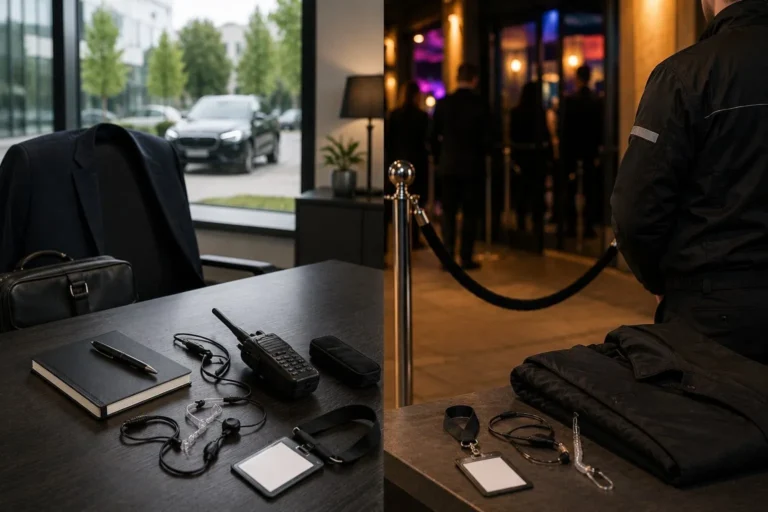
![Security by buildings [city]](https://security-guard-training.co.uk/wp-content/uploads/2024/04/5_Security-by-buildings.webp)
Table of Contents
- Quick Answer: London Venue And Event Types That Hire Door Supervisors Most Often
- What ‘Regularly Hiring’ Means In London Door Supervision
- Venue Types That Most Consistently Hire Door Supervisors (London)
- Events That Hire Door Supervisors Most Regularly (Recurring Demand)
- Retail And Hospitality Sites That Regularly Use Door Supervision
- How These Roles Are Actually Filled In London
- What London Venues Expect From Door Supervisors
- Pay, Shifts And Realities In London (What Affects Your Rate)
- Step-By-Step: How To Get Hired Faster (Checklist)
- FAQ: Door Supervision Work In London
- Fun Fact: The Two Peak Moments In A Single London Night
- Conclusion
Which London venues and events hire door supervisors most regularly?
Direct Answer Summary: In London, door supervisors are hired most regularly by late-night bars and clubs, live music venues, theatres and arenas, stadium matchdays, student nightlife, and high-footfall retail and hospitality sites. Recurring demand also comes from weekly ticketed events, corporate launches and premieres, and seasonal peaks like Christmas and New Year’s Eve. These shifts are often filled via security agencies and venue supplier lists.
London is one of the UK’s busiest markets for SIA-licensed door staff. However, “who hires most regularly” is less about one famous venue and more about venue types, operating patterns, and supplier rosters.
Below is a practical, London-specific breakdown of where consistent shifts come from, how hiring works (agency vs in-house), which qualifications help you get rebooked, and a quick checklist for getting on rotas faster.
- Method Note: “Regularly hiring” here means venues and events that run weekly (or near-weekly), have high footfall, use preferred supplier lists, or have predictable seasonal peaks. It does not mean one-off recruitment adverts.
If you want consistent London venue shifts, the most important step is having the correct SIA Door Supervisor licence. You can explore Door Supervisor Training with Lead Element Training Wing LTD to become eligible for most nightlife and event entry-control roles.
Door Supervisor Training, Best For Becoming Eligible Fast
This is the core route for eligibility for most London nightlife, venue, and event entry-control roles. It is also the qualification agencies expect to see before they can place you on venue rosters.
- Key Benefits: Covers the core knowledge needed for SIA-linked door supervision roles.
- Key Benefits: Helps you meet the training requirement before applying for your SIA licence.
- Key Benefits: Builds job-ready understanding for queues, refusals, searches, and incident procedures.
- Key Benefits: Suitable for candidates aiming for regular weekend venue shifts.
Who It’s Best For: New starters who want access to London door supervision work across nightlife, live events, and hospitality.
Explore Door Supervisor Training and view course dates.
Quick Answer: London Venue And Event Types That Hire Door Supervisors Most Often
- Nightclubs And Late-Night Bars: High turnover, weekend peaks, strict entry control and queue management.
- Live Music Venues: Searches, ticket checks, crowd management, front-of-house safety.
- Theatres And Comedy Venues: Customer service-focused, conflict de-escalation, late finishes.
- Arenas And Large-Capacity Venues: Contractor rosters, specialist positions, high headcount nights.
- Stadium Matchdays: High-volume stewarding plus SIA door supervisors for specific roles, heavy dispersal pressure.
- Student Nightlife And Campus Events: Freshers’ spikes, term-time weekends, safeguarding focus.
- High-Footfall Retail And Shopping Centres: Regular daytime and evening shifts, incident reporting, CCTV coordination.
- Hotels And Nightlife-Adjacent Sites: Entry control, safeguarding, handling incidents professionally.
- Recurring Corporate Events And Premieres: Guest list control, VIP handling, professional presentation.
- Seasonal Peaks (Christmas And NYE): Increased headcount, higher risk, rates often rise.
What ‘Regularly Hiring’ Means In London Door Supervision
London staffing patterns are driven by licensing hours, transport hubs, crowd density, and the fact that many venues outsource to agencies or preferred suppliers.
In practice, “regular” work usually shows up in one of three ways.
Rota Cover Vs High-Turnover Sites Vs Event-Led Staffing
- Rota Cover (Steady Sites): Fixed weekly shifts at the same site. This is common in retail, casinos, hotels, and some venues with stable teams.
- High-Turnover Nightlife: Frequent replacement needs due to unsociable hours, high standards, and fast-changing venue requirements.
- Event-Led Rosters: Big headcount spikes for gigs, matches, and ticketed nights. Agencies manage these via lists of approved operatives.
Peak Demand Windows: Fri/Sat Nights, Bank Holidays, Christmas And NYE, Summer
- Friday And Saturday Nights: The core demand window London-wide.
- Bank Holidays: Longer trading hours and heavier footfall increase staffing needs.
- Christmas And New Year’s Eve: Bigger queues, more incidents, and higher headcount planning.
- Summer: More outdoor events and festival-style work, plus tourism-driven footfall.
Venue Types That Most Consistently Hire Door Supervisors (London)
Nightclubs And Late-Night Bars (West End, Shoreditch, Camden, Brixton)
This is the most recognisable part of door supervision. In London, it is also one of the most consistently staffed areas, especially around nightlife clusters.
Roles often include front door, queue, search, and response.
- Common Duties: ID checks and refusals, queue management, entry searches where required, radio updates, and incident logs.
- Why Demand Is Regular: Weekend trading, late licences, and frequent need for extra cover.
- Hiring Route: Agencies and preferred supplier lists.
Live Music Venues And Gig Spaces (Queuing, Searches, Front-Of-House)
Live music work is often event-led, but the busiest spaces run multiple nights per week. You will focus more on ticket flow and searches, plus safeguarding at barriers and exits.
- Common Duties: Bag checks, pat-down searches (where lawful and briefed), wristbanding, and monitoring crowd movement.
- Why Demand Is Regular: Recurring shows, club nights, touring schedules, and seasonal peaks.
- Hiring Route: Contractor rosters and event security agencies.
Theatres, Comedy Clubs And Late-Running Shows (Customer Service-Focused)
Many theatre roles reward calm communication and professionalism. You are often the first point of contact and can stop small issues becoming incidents.
- Common Duties: Front-of-house presence, handling complaints, managing late arrivals, and de-escalation.
- Why Demand Is Regular: Scheduled performances, weekend peaks, and longer runs.
- Hiring Route: A mix of in-house and suppliers, depending on venue size.
Arenas And Large-Capacity Venues (Contractor Rosters And Specialist Positions)
Large venues use layered teams. This may include search teams, response, pit, concourse, and egress roles.
If you are reliable and punctual, these sites can lead to repeat bookings.
- Common Duties: Search lanes, crowd management, incident response, and supporting evacuation procedures.
- Why Demand Is Regular: Frequent major events and high headcount requirements.
- Hiring Route: Approved contractor lists and scheduled rosters.
Stadiums And Matchdays (Football/Rugby) And Crowd Dispersal
Matchday operations are intense and time-bound. Door supervisors may be used for specific SIA-licensed functions alongside stewarding, depending on the role.
- Common Duties: Entry control points, response roles, and managing crowd movement after events.
- Why Demand Is Regular: Seasonal fixtures and predictable schedules.
- Hiring Route: Contracted security providers and matchday rosters.
Student Nightlife And University Events (Freshers And Term-Time Peaks)
Freshers’ and term-time weekends create predictable peaks. Many venues prioritise staff who understand safeguarding and professional boundaries.
- Common Duties: Entry checks, welfare awareness, managing intoxication issues, and incident reporting.
- Why Demand Is Regular: Term calendars and recurring student nights.
- Hiring Route: Agencies plus venue or union suppliers.
Casinos And Adult Entertainment Venues (Where Applicable And Compliant)
These environments can offer steadier weekly rota work. They also come with strict compliance, dress standards, and reporting expectations.
- Common Duties: Entry control, behaviour monitoring, dealing with refusals, and detailed incident logs.
- Why Demand Is Regular: Late opening and consistent footfall.
- Hiring Route: Often in-house or long-term contractors.
Events That Hire Door Supervisors Most Regularly (Recurring Demand)
Weekly/Monthly Ticketed Nights And Promoted Events
Promoted events in London often run to a set pattern. Once you are known as reliable on a promoter or agency roster, repeat work can follow quickly.
- Common Duties: Ticket scanning, guest list control, searches, queue management, and handling refusals professionally.
- What Helps You Get Rebooked: Clear radio communications, accurate incident notes, and arriving early for briefings.
Corporate Events, Awards, Product Launches And Premieres
These jobs can be less physical and more presentation-led, but standards are high. Door supervisors are often booked for access control and managing arrivals.
- Common Duties: Guest list checks, wristband or pass control, protecting restricted areas, and de-escalation.
- Hiring Route: Specialist event security agencies and preferred suppliers.
Festivals And Outdoor Events (Seasonal, High-Volume Staffing)
Festival-style work increases in warmer months. Expect long shifts, mixed weather, and strict procedures for searches and prohibited items.
- Common Duties: Gate searches, crowd movement, incident response, and supporting medical teams.
- Hiring Route: Event security contractors, sometimes booked months ahead.
Christmas Parties And New Year’s Eve: What Changes And Why Rates Rise
- Higher Headcount: More queues, more dispersal pressure, and more welfare issues.
- Greater Responsibility: Teams often add dedicated search, queue, and dispersal roles.
- Last-Minute Cover: Short-notice bookings can pay more, especially for experienced operatives.
Retail And Hospitality Sites That Regularly Use Door Supervision
High-Footfall Retail Streets And Flagship Stores
Retail can offer regular weekday work and more predictable finishes than nightlife. It suits operatives who are strong on communication, observation, and reporting.
- Common Duties: Visible deterrence, conflict management, liaising with store staff, and evidence preservation and reporting.
- Hiring Route: Contracted guarding providers and multi-site teams.
Shopping Centres And Mixed-Use Developments
Large centres often combine daytime retail, evening hospitality, and transport-linked footfall. That means varied shift patterns and the potential for consistent hours.
- Common Duties: Patrols plus entry control at certain points, incident reporting, and supporting CCTV teams.
- Hiring Route: Contracted providers, sometimes with centre-managed security leadership.
Hotels And Nightlife-Adjacent Venues (Entry Control, Incidents, Safeguarding)
Hotels that host events, bars, or busy receptions may use door supervisors for entry control, dealing with disorder, and safeguarding guests.
- Common Duties: Managing entry, professional conflict resolution, and working with management on incident procedures.
- Why Demand Is Regular: Conferences, weddings, weekend functions, and central London footfall.
How These Roles Are Actually Filled In London
Security Agencies, Preferred Suppliers And Approved Contractor Lists
Many London venues do not recruit door supervisors one at a time. Instead, they book headcount from a contractor or an agency roster that has already completed compliance checks.
- What Agencies Check: SIA status, right to work, proof of address, references, and sometimes DBS (depending on site policy).
- How To Get More Bookings: Arrive early, be consistent, and complete paperwork promptly after shifts, including incident logs and notes where used.
- Professional Standards: Industry bodies such as BSIA highlight the standards expected in private security.
In-House Teams: Where They Exist And How To Access Them
In-house roles are more common in some casinos, hotels, retail groups, and venues that prioritise continuity. They can be harder to access, but often offer steadier hours.
- How To Find Them: Check company careers pages, LinkedIn, and on-site notices.
- What They Value: Reliability, customer service, clear report writing, and consistent performance.
Where To Search (And What To Avoid): Job Boards, Event Staffing, Social Groups
- Job Boards: Search “London door supervisor jobs” and filter by weekends, nights, or event security.
- Event Staffing Firms: Useful for arenas, festivals, and ticketed events.
- Be Cautious With Informal Social Posts: Avoid cash-in-hand offers and roles that skip vetting, briefings, or compliance checks.
What London Venues Expect From Door Supervisors
SIA Door Supervisor Licence Requirements And Refresher Routes
For many pubs, bars, clubs, and event roles that involve entry control and public-facing security, you will need an SIA Door Supervisor licence. GOV.UK sets out the requirements and linked qualifications.
- Official Requirements: See GOV.UK, SIA licence training and qualification requirements.
- Licence Overview: See GOV.UK, door supervision licence.
If you are starting out, review SIA Door Supervisor training details with Lead Element Training Wing LTD. If you have been out of the industry, a refresher is often the quickest route back onto agency rosters.
Add-Ons That Can Win You More Shifts: First Aid, CCTV, Safeguarding Awareness
Agencies tend to roster people who are compliant and job-ready. Training is one of the fastest ways to close that gap.
- Emergency First Aid: Useful for high-footfall queues and events.
- First Aid At Work: Strong for progression and higher-responsibility roles.
- CCTV Training: Helps you add weekday control room or retail operations shifts.
- Safeguarding Awareness: Especially relevant in nightlife and student events.
Emergency First Aid At Work Training Course, Best For Busy Queues And Events
This add-on can help you stand out for high-footfall London venue and event shifts, where incidents and welfare issues are more likely.
- Key Benefits: Improves readiness for incidents while working queues and dispersal.
- Key Benefits: Supports safer decision-making and faster escalation to medical teams.
- Key Benefits: Builds confidence for crowded environments and long nights.
- Key Benefits: Helps you look more employable to agencies staffing large events.
Who It’s Best For: Door supervisors aiming for regular weekend bookings at busy nightlife clusters and ticketed events.
See Emergency First Aid at Work course dates.
First Aid At Work Training, Best For Progression And Higher Responsibility
This is a more comprehensive qualification and can support progression into senior roles or higher-risk environments.
- Key Benefits: Stronger first aid capability for longer shifts and complex incidents.
- Key Benefits: Useful for team leads or supervisors on large sites.
- Key Benefits: Helps with employability across events, hospitality, and retail.
- Key Benefits: Supports professionalism and duty of care expectations.
Who It’s Best For: Operatives who want to move into team leader roles, steady contracts, or more specialist event work.
Explore First Aid at Work course availability.
CCTV Training, Best For Adding Weekday Shifts
If you want a more consistent working week, CCTV training can help you add control room and operations shifts alongside weekend door work.
- Key Benefits: Broadens the types of sites that can roster you.
- Key Benefits: Supports roles in retail, mixed-use developments, and venue security operations.
- Key Benefits: Strengthens incident reporting and evidence-handling awareness.
- Key Benefits: Complements door supervision experience for longer-term options.
Who It’s Best For: Door supervisors who want more regular weekday work and a wider set of London security roles.
Explore CCTV Training and view course details.
Practical Skills: Queue Management, ID Checks (Challenge 25), Radio Procedure, Incident Reporting
- Queue Management: Keep entrances safe, maintain clear walkways, and reduce friction before it becomes conflict.
- ID Checks and Challenge 25: Apply policy consistently, avoid arguments, and escalate when needed.
- Radio Procedure: Use clear, calm communications and confirm instructions.
- Incident Reporting: Write factual, time-stamped notes. This protects you, the venue, and the public.
- Safeguarding: Recognise vulnerability and act early. For general London guidance, see Metropolitan Police advice on safeguarding-related risks.
Pay, Shifts And Realities In London (What Affects Your Rate)
Rates in London vary by venue type, risk profile, start and finish times, responsibilities, and whether the booking is last-minute.
For broader UK labour market context, the Office for National Statistics (ONS) is a reliable reference. Always check the specific employer’s rate and contract terms.
Typical Shift Lengths, Late Finishes And Travel Planning
- Nightlife Shifts: Often evenings into early morning, with dispersal duties after closing.
- Event Shifts: Often start earlier for briefings and searches, and finish after egress.
- Travel Planning: Plan for Night Tube and last train options, plus safe routes home after shifts.
What Can Increase Pay: Risk Profile, Responsibilities, Venue Type, Last-Minute Cover
- Higher-Risk Sites: Alcohol-led sites, dense crowds, late licences, or a history of incidents.
- Specialist Positions: Search team, response, pit, supervisor roles, and control room coordination.
- Short-Notice Bookings: Last-minute cover often pays more.
- Professional Reputation: Being rebooked reduces unpaid downtime, which matters as much as hourly rate.
Step-By-Step: How To Get Hired Faster (Checklist)
Get Job-Ready Documents: Right To Work, SIA Readiness, Basic CV And References
- Right To Work: Passport or share code and supporting documents.
- Proof Of Address: Current documents that match your application details.
- Basic CV: Highlight customer service, conflict management, and reliability.
- References: Keep these ready because agencies move faster when checks are simple.
- Compliance Mindset: Badge display, punctuality, and accurate reporting.
Apply To Agencies First, Then Target Venue Clusters By Borough
- Start With Agencies: Often the quickest route to paid trial shifts and regular cover work.
- Target Clusters: Focus on areas with dense nightlife, then build repeat bookings.
- Be Roster-Friendly: Be clear about your availability for Friday and Saturday nights, plus peak dates.
If you are returning to the industry and need to update your training, Refresher Door Supervisor Security Training with Lead Element Training Wing LTD is designed to help you get compliant and back onto rosters quickly.
Refresher Door Supervisor Security Training, Best For Getting Back On Rosters
This option suits experienced operatives who need to renew or update training to meet current expectations.
- Key Benefits: Supports a faster return to compliant working.
- Key Benefits: Helps remove barriers when agencies check eligibility.
- Key Benefits: Useful for picking up peak-season work quickly.
- Key Benefits: Fits well if agencies already know you, but need updated training.
Who It’s Best For: Returning door supervisors who want to rejoin London agency and preferred supplier rotas.
Explore the refresher course options.
Prepare For Trial Shifts And Site Induction (What To Bring, What To Ask)
- Bring: SIA badge (when licensed), ID, smart uniform (if required), and a notebook for instructions.
- Ask About: Search policy, radio channels and call signs, escalation process, incident logging, and welfare and safeguarding procedures.
- Be Consistent: Venues rebook staff who follow policy calmly and communicate clearly.
FAQ: Door Supervision Work In London
Do I Need A Door Supervisor Licence For Pubs, Bars And Events?
Often, yes. If your role involves licensable activity, such as controlling entry to licensed premises or supervising the public in relevant settings, a Door Supervisor licence is commonly required.
Always confirm the requirement for the specific job, and refer to GOV.UK door supervision licence for an overview.
Door Supervisor Vs Security Guarding Vs CCTV: What’s The Difference?
- Door Supervisor: Common on licensed premises and public-facing entry roles, including searches and conflict management.
- Security Guarding: Often used for static and mobile guarding in retail, offices, and sites not focused on nightlife entry.
- CCTV: Monitoring public space or site CCTV in licensable roles, often in control rooms.
If you want broader employability, combining door work with CCTV training can help you pick up more regular weekday shifts.
How Long Does It Take To Get An SIA Licence?
Timeframes vary depending on checks and application volumes. Plan for training first, then the application process, then receiving your badge.
For the most accurate requirements and process details, use the official guidance on GOV.UK.
Fun Fact: The Two Peak Moments In A Single London Night
Door supervision demand in London often peaks twice in one night. The first peak is around last entry, when queues build. The second is during dispersal, when venues empty towards Night Tube hubs and bus interchanges. Many sites roster extra staff specifically for these short, high-pressure windows.
Conclusion
If you want regular London door supervisor work, focus on venues and events that run weekly, use supplier rosters, and have predictable peaks. That includes nightlife clusters, live music and large venues, matchdays, student events, and high-footfall retail and hospitality.
To maximise bookings, match what London employers want: the right licence, consistent professionalism, clear communication, and add-on skills such as first aid or CCTV.
To compare your next steps, explore the full range of courses at Lead Element Training Wing LTD training, or speak to the team via contact us if you want help choosing the best route for your target shifts.

![SIA training courses [city]](https://security-guard-training.co.uk/wp-content/uploads/2024/03/Door-Supervisor-Card-city-768x513.jpg)