What is the Difference between Door Supervisor and Security Guard Training?
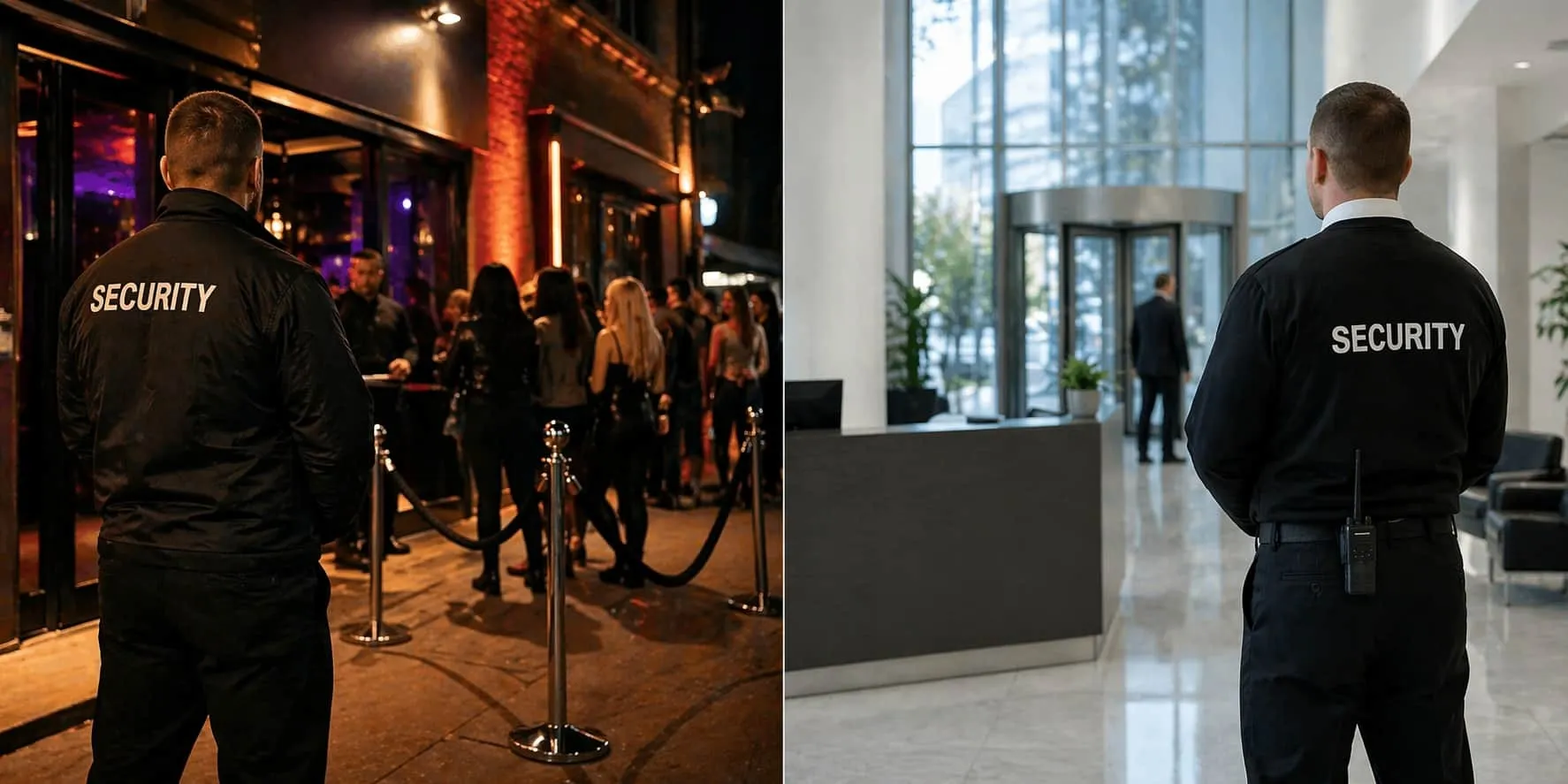
Door Supervisor training is designed for security work in licensed premises and many event settings. It includes conflict management and physical intervention skills, and it leads to an SIA Door Supervisor licence. Security Guard training focuses on retail and static guarding roles. It does not include physical intervention for door work, and it leads to an SIA Security Guarding licence. Choose based on where you will work and what duties you will carry out.
If you are comparing door supervisor training vs security guard training, you are asking the right question. In the UK, SIA licences are tied to specific regulated activities. Working outside your licence can put both you and your employer at risk.
This guide explains what each course covers, where each licence can be used, and what requirements to expect, including first aid. For official definitions and licensing rules, double-check the latest guidance from the Security Industry Authority (SIA) on GOV.UK.
Door Supervisor Vs Security Guard Training: The Key Difference (Quick Comparison)
At A Glance: Licence Type, Where You Can Work, And Core Skills
| Factor | Door Supervisor Training | Security Guard (Security Guarding) Training | Who It Suits Best |
|---|---|---|---|
| Licence You Apply For | SIA Door Supervisor (front line) | SIA Security Guarding (front line) | Anyone matching the job setting and duties |
| Typical Work Settings | Licensed venues, events, and some venue security roles | Retail, corporate, reception, static guarding, site patrols | Door work and events vs retail and static guarding |
| Physical Intervention Training | Included (key difference) | Not included | Door staff and event roles often require it |
| Conflict Management Focus | Higher emphasis due to nightlife and crowd scenarios | Focused on observation, reporting, safety, and deterrence | Choose based on the likely scenarios you face |
| Flexibility For Jobs | Often broader across venues and events | Ideal for guarding roles but not door supervision duties | If you want maximum deployability, the Door Supervisor is often chosen |
If you have decided Door Supervisor is the right licence for your goals, the next step is booking an approved course such as Door Supervisor Training with Lead Element Training Wing LTD.
Door Supervisor Training, Best For Licensed Venues And Events

Door Supervisor Training is the most direct route into licensed venue work and many event security roles. It covers conflict management and physical intervention to match higher-risk environments.
- Includes Physical Intervention: Covers practical skills that are not part of Security Guarding training.
- Built For Licensed Premises Scenarios: Focuses on entry management, refusals, and incident handling.
- Stronger Conflict Management Emphasis: Helps you de-escalate before situations become physical.
- Employability Across Venues: Often suits learners who want broader options across shifts and sites.
- Clear Route To Licensing: Aligns your training with your SIA licence application process.
It is best for learners aiming for pubs, clubs, events, venue security, and roles where physical intervention training is expected.
Explore Door Supervisor Training here and compare dates and locations.
What Is Door Supervisor Training (SIA)?
Door Supervisor training is designed for people working in or around licensed venues, busy public spaces, and event environments where conflict risk is higher. The qualification content is aligned to SIA licensing requirements under the UK’s security regulation framework, established by the Private Security Industry Act 2001.
Typical Roles: Pubs, Clubs, Events, Festivals, Venue Security
- Door Staff at Licensed Premises: Managing entry, checking IDs, and enforcing venue rules.
- Event Security Operative: Supporting access control, crowd management, and incident response.
- Venue Security: Patrolling, preventing disorder, and assisting with evacuations and safety incidents.
- Customer-Facing Security Roles: Roles where communication and de-escalation are daily tasks.
Common Units/Modules (Including Conflict Management And Physical Intervention)
Exact module titles can vary by awarding organisation, but Door Supervisor training commonly includes:
- Working In The Private Security Industry: Law, responsibilities, emergencies, and professionalism.
- Working As A Door Supervisor: Venue operations, searching, incident response, and safeguarding awareness.
- Conflict Management: Recognising triggers, communication, de-escalation, and recording incidents.
- Physical Intervention Skills: Practical techniques taught with a strong focus on necessity, proportionality, and safety.
What “physical intervention” means in training: It is not about being aggressive. It is about learning safer, controlled ways to protect people and reduce risk when verbal strategies fail, while staying within legal and safety boundaries.
Who Should Choose Door Supervisor Training?
- You Want Door Work or Nightlife Shifts: Most roles in licensed venues expect a Door Supervisor licence.
- You Want Event Work: Many event contractors prefer Door Supervisor licensed staff.
- You Want Maximum Flexibility: This licence is often chosen to widen job options beyond one site type.
If you are still weighing up which path fits, you can browse the full range on Lead Element Training Wing LTD training courses.
What Is Security Guard (Security Guarding) Training (SIA)?
Security Guarding training (often called “Security Guard training”) is aimed at non-licensed premises guarding. It suits roles like retail security, reception guarding, construction site guarding, and other environments where door supervision is not part of the job.
In retail and e-commerce fulfilment settings, this often includes customer-facing deterrence, working with store teams, and following clear reporting procedures.
Typical Roles: Retail Security, Store Detective Support, Reception/Static Guarding
- Retail Security Officer: Deterrence, customer service, loss prevention support, and incident reporting.
- Corporate Reception or Front Desk Security: Access control, visitor management, and safety procedures.
- Static Site Guarding: Patrols, key holding support, monitoring, and reporting.
For a neutral overview of typical duties and skills, see the National Careers Service security officer profile.
Common Units/Modules (Non-Physical Intervention Focus)
Security Guarding training commonly includes:
- Working In The Private Security Industry: Responsibilities, legislation, and emergency procedures.
- Working As A Security Officer: Patrolling, access control, observation, communication, and reporting.
- Safety and Awareness: Fire safety basics, incident response, and customer care principles.
The key difference is that Security Guarding training does not include physical intervention skills for door supervision roles.
Who Should Choose Security Guard Training?
- You Only Want Retail Or Static Guarding: A good fit if you do not plan to work licensed venues or doors.
- You Prefer Lower-Conflict Settings: Many guarding roles focus on prevention, vigilance, and procedure.
- Your Employer Specifically Requests It: Some contracts recruit directly for Security Guarding licence holders.
Where You Can Legally Work With Each Licence (And Common Misconceptions)
This is where many learners get caught out. Your SIA licence must match the activity you are paid to do. If you are unsure, check the SIA’s current guidance and ask the employer to confirm the licence they require.
Can A Door Supervisor Work As A Security Guard?
In many cases, yes. A Door Supervisor licence is often accepted for a wide range of guarding roles, which is why many learners choose it for flexibility.
- Confirm With The Employer: Some employers specify Security Guarding for certain contracts, even if a Door Supervisor may be acceptable.
- Match The Role To The Activity: Your day-to-day duties matter, not just the site type.
Why A Security Guard Cannot Do Door Supervisor Duties in Licensed Venues
Licensed premises and door supervision duties often involve higher-risk situations. They typically require door supervision-specific knowledge and physical intervention training. Without the correct training and Door Supervisor licence, you may not meet the legal or contract requirements for that role.
If your goal is door work, compare options and entry requirements on SIA Door Supervisor training.
Course Requirements, Duration, And Assessments
Eligibility Checks And What To Bring (ID, Right To Work)
Providers may vary slightly, but SIA-linked training and licensing generally expect:
- Minimum Age: 18 or over.
- Right To Work In The UK: You must be able to work legally in the UK.
- Identity Documents: Valid ID, plus proof of address where required.
- Criminality Checks: The SIA carries out checks as part of the licence application.
To understand the official application process and required information, use Apply for an SIA licence (GOV.UK).
First Aid Requirements: What’s Expected And When
First aid requirements are a common reason learners get delayed. Depending on current SIA-linked rules, you may need a first aid qualification before you can complete licence-linked training.
- Plan First Aid Early: Booking first aid first can help you avoid delays.
- Choose The Right Course: Many learners start with Emergency First Aid at Work (EFAW), depending on provider requirements.
- Employer Duties Also Matter: Workplaces have first aid responsibilities; see HSE guidance on first aid at work.
If you need first aid, Lead Element Training Wing LTD offers options such as Emergency First Aid at Work and First Aid at Work.
Exam Format And Practical Assessment Differences
Most learners can expect a mix of:
- Multiple-Choice Exams: Testing knowledge of law, roles, responsibilities, and procedures.
- Practical Elements (Door Supervisor): Physical intervention assessments and scenario-based outcomes.
- Workbook or In-Class Activities: Supporting understanding and real-world application.
If you want to prepare and reduce stress on the day, see how to prepare for your SIA training exam.
Costs And Timelines: Training Fees, SIA Licence Fee, And How Long Approval Takes
Total cost is usually a mix of training fees plus the SIA licence fee. Some learners also need separate first aid training. Prices vary by location and what is included, so compare like-for-like.
Typical Cost Components (Course + Application + Optional First Aid)
- Training Course Fee: Your Door Supervisor or Security Guarding course cost.
- First Aid Course Fee (If Needed): EFAW or equivalent, if not already held.
- SIA Licence Application Fee: Paid to the SIA when you apply. Confirm the current fee on GOV.UK.
- Time To Licence: Training takes days, licensing takes longer, and delays can happen if checks take more time.
For a clearer breakdown, read the SIA licence cost in the UK. For a practical overview of the full process, see how to get an SIA licence in the UK.
What can slow an SIA licence application down?
- ID Details Not Matching: Name or address inconsistencies can cause delays.
- Incomplete Application Information: Missing history or unclear details may need follow-up.
- Criminality or Overseas Checks: These can take longer depending on circumstances.
Choosing The Right Option For Your Job Goals (Decision Guide)
Once you know which licence fits your intended setting, choose the course that matches the duties you will carry out.
If You Want Retail Security
- Best Fit: Security Guarding training is often the direct match.
- Also Consider: CCTV training if you want monitoring room or control room responsibilities.
If You Want Nightlife/Door Work
- Best Fit: Door Supervisor training, because it includes conflict management and physical intervention.
- Also Consider: First aid training if you do not already hold a valid qualification.
If You Want Flexibility Across Multiple Environments
- Often Chosen: Door Supervisor training, because many employers accept it across different site types.
- Reality Check: Confirm what a specific employer or contract requires before you pay for training.
If you are unsure, contact Lead Element Training Wing LTD for guidance via the contact page.
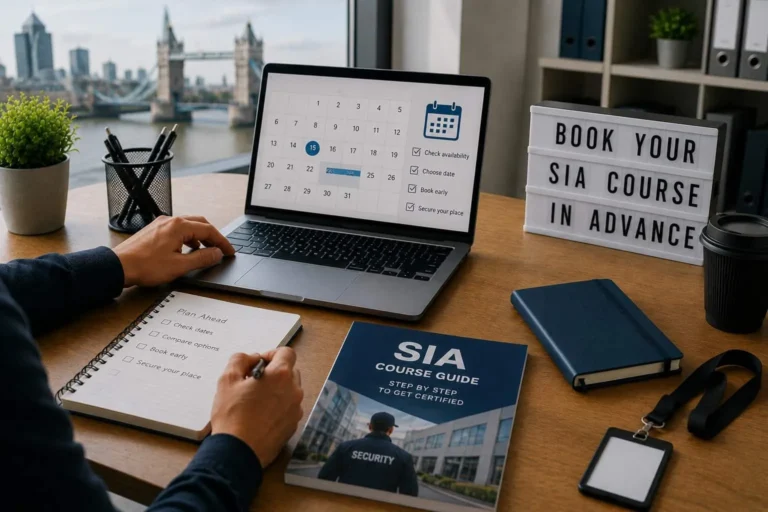
Next Steps: How To Book Training And Apply For An SIA Licence
Step-By-Step Overview: Training, Results, And Licence Application
- 1) Choose The Right Course: Door Supervisor for licensed venues and events, Security Guarding for retail and static guarding.
- 2) Make Sure You Meet Requirements: ID, right to work, and first aid where required.
- 3) Attend Training and Complete Assessments: Exams, plus practical elements for Door Supervisor.
- 4) Apply For Your SIA Licence: Use the official GOV.UK SIA licence application and pay the fee.
- 5) Start Work Once Licensed: Do not accept regulated work until your licence is granted.
If you want to understand the difference between training and the licence itself, see SIA licence vs SIA training.
Training Courses (CCTV Training), Best For Control Rooms And Monitoring Roles

For learners who want to widen their options beyond front-line guarding, Training Courses (CCTV Training) is a popular progression route. It supports monitoring, retail control rooms, and site surveillance responsibilities.
- Adds A Specialist Licence Pathway: Supports roles focused on observation and evidence handling.
- Useful for Retail and Corporate Sites: Many sites combine guarding and CCTV operations.
- Builds Reporting Confidence: Helps with incident logs, communications, and handovers.
- Improves Employability: Supports applications for control room and monitoring positions.
It is best for learners targeting CCTV operator work, control room roles, and security jobs with monitoring responsibilities.
Compare options and course dates, see CCTV Training here.
FAQs
Do I Need A Door Supervisor Licence To Work Events?
Not always, but many event roles involve duties that match Door Supervisor training. This is common where entry management, crowd dynamics, or a higher risk of conflict is expected. Always check which licence the contractor requires for that specific role and location.
Is CCTV Training Separate From Guarding/Door Supervision?
Yes. CCTV is a separate SIA licence area. If your job involves CCTV monitoring as a primary duty, you may need CCTV training and the relevant licence. A common route is to start with Door Supervisor or Security Guarding, then add CCTV training to expand your options.
Do I Need Refresher Training?
Refresher (top-up) requirements can apply when you renew an SIA licence, and details can change over time. If you already hold a Door Supervisor licence and plan to renew, check current SIA guidance and book a refresher early.
Refresher Door Supervisor Security Training, Best For Licence Renewals

Refresher Door Supervisor Security Training is designed for existing Door Supervisor licence holders who need to update their knowledge and skills to meet current renewal expectations.
- Supports Renewal Readiness: Helps you stay aligned with current requirements.
- Updates Safety and Working Practices: Reinforces best practices for modern venue and event environments.
- Refreshes Conflict Management Skills: Keeps communication and decision-making sharp.
- Revisits Physical Intervention Principles: Reinforces safe, lawful approaches.
It is best for current SIA Door Supervisor licence holders approaching renewal.
Check availability and book online, explore Door Supervisor refresher training here.
Career Progression: Going Beyond Your First Front-Line Licence
Many people start in retail, sites, or venues, then specialise. If you are planning a longer-term pathway, there are other licence routes worth considering once you have real on-the-job experience.
Close Protection Training, Best For Advanced Security Careers

Close Protection Training is an advanced route for learners aiming to move into close protection work after building solid front line experience and professional standards.
- Higher-Level Skill Development: Supports progression beyond standard guarding environments.
- Career-Focused Pathway: Suits learners looking to specialise and build a security career plan.
- Professional Standards Emphasis: Reinforces communication, planning, and situational awareness.
- Useful for Long-Term Growth: Often considered after gaining front line experience and confidence.
It is best for experienced learners planning a progression route into close protection work.
Learn more about the pathway, explore Close Protection Training here.
Refresher Close Protection Training, Best For Maintaining Advanced Competence

Refresher Close Protection Training is for close protection operatives who need a refresher to stay current and maintain professional competence.
- Keeps Skills Current: Refreshes knowledge and operational standards.
- Supports Ongoing Compliance: Helps you stay aligned with changing expectations.
- Boosts Confidence: Reinforces key techniques and decision-making.
It is best for existing close protection operatives looking to refresh their skills.
See course details, view the close protection refresher here.
Fun Fact: Why Door Supervisor Is Often The “Default” Choice
Many people do not realise the Door Supervisor licence is often chosen even for non-nightlife roles. That is because it can offer broader employability across venues and events. This flexibility is a key reason it is one of the most commonly applied-for SIA front line licences.
Conclusion: Which SIA Course Should You Choose?
Choose Door Supervisor training if you want to work in licensed venues, on doors, or in many event roles. It includes conflict management and physical intervention. Choose Security Guarding training if you are targeting retail and static guarding, where door supervision duties are not part of the job.
To take the next step with Lead Element Training Wing LTD, compare options on all training courses. If Door Supervisor is clearly your goal, you can go straight to Door Supervisor Training.

![SIA training courses [city]](https://security-guard-training.co.uk/wp-content/uploads/2024/03/Door-Supervisor-Card-city-768x513.jpg)

![How much does a security guard course cost [city]](https://security-guard-training.co.uk/wp-content/uploads/2026/04/How-Much-Does-a-Security-Guard-Course-Cost-768x512.webp)