How do you get into retail security in London?
Direct Answer: To get into retail security in London, choose the right SIA licence for the sites you want to work on (often Security Guarding; Door Supervisor if you will work in or near licensed premises; CCTV for control room roles). Complete SIA-approved training, apply for your licence, then apply for retail security officer or store detective roles. First aid and CCTV skills can help you get hired sooner.
Retail security is one of the most accessible ways to start a security career in London. However, it pays to choose the right licence from day one. This guide explains what the job involves, which SIA badge you will likely need for different retail environments (high street, shopping centres, luxury retail), how long the process takes, and how to apply in London’s competitive job market.
If you are ready to compare training routes, start with Lead Element Training Wing LTD training courses and match the course to the sites you want to work on.
- Quick Roadmap: Choose your target retail site type, pick the right SIA licence, complete training, apply for the licence, then apply for roles with a retail-focused CV.
- London Reality Check: High-footfall environments, strong customer service expectations, and travel planning matter as much as the badge.
Choose Your Training Route (Most Popular For Retail Security In London):
- Door Supervisor Training (SIA): Best if your retail site has licensed premises or late-night footfall.
- CCTV Training (SIA CCTV Operator): Ideal for shopping centres and monitoring roles.
- Emergency First Aid at Work Training Course: A strong add-on for high-footfall retail and employer shortlists.
Retail Security In London: What The Job Involves
Retail security in London is about keeping customers, staff, and stock safe while maintaining a professional, customer-friendly presence. Employers expect you to deter theft, spot risk early, and document incidents clearly. You will often support customer service standards too.
Common Roles: Retail Security Officer, Store Detective, Loss Prevention
- Retail security officer: Uniformed and visible. Often based at entrances, on patrol, and supporting evacuations and incidents.
- Store detective: Plain-clothes observation focused on shoplifting and evidence-quality reporting.
- Loss prevention: A broader approach. This can include stock loss processes, staff awareness, and incident trend reporting.
Day-To-Day Duties: Patrols, Incident Reporting, Customer Interaction, And Evidence Handling
- Patrols and presence: Visible checks across shop floors, back-of-house areas, loading bays, and fire exits.
- Customer interaction: Giving directions, helping with queues, and calming situations without escalating them.
- De-escalation: Using conflict management techniques to reduce aggression and avoid physical intervention where possible.
- Incident reporting: Writing clear, factual logs for managers, security control rooms, and sometimes the police.
- Evidence handling: Preserving CCTV details, times, descriptions, and continuity, especially in store detective work.
For career framing and typical duties, the National Careers Service is a helpful reference for what employers often expect from security roles.
Do You Need An SIA Licence For Retail Security?
In most London retail settings, yes, you usually need an SIA licence to work in a licensable security role. The licence you need depends on what you will do and where you will do it.
The SIA is the UK regulator for private security. You can read official guidance via the Security Industry Authority (SIA) on GOV.UK.
Security Guarding Vs Door Supervisor: Which Is Best For Retail Sites In London?
Many retail-only environments use Security Guarding. In London, though, many shopping centres and mixed-use sites include licensed premises (bars, restaurants, cinemas) or late-night footfall. That can shift requirements towards the Door Supervisor licence.
- Security Guarding: Often suits retail stores, malls, warehouses, and static guarding where you are not supervising doors of licensed premises.
- Door Supervisor: Often required if you work in or around licensed premises, or if your post is at entrances linked to those areas.
If you want broader eligibility across London retail and mixed-use sites, consider Door Supervisor Training (SIA) as your main route.
Door Supervisor Training (SIA), Best For Mixed-Use Retail Sites In London

Door Supervisor Training (SIA) is an SIA-aligned course designed for roles where conflict management, professional standards, and (where appropriate) intervention skills are part of the job. In London, it can expand your options because many retail locations sit within mixed-use environments.
- Broader job eligibility: Covers roles across retail, shopping centres, and sites with licensed areas.
- Conflict management focus: Helps you handle high-pressure customer situations calmly.
- Employer-friendly profile: Signals readiness for busy, public-facing security work.
- Useful for late shifts: Supports sites with evening footfall and higher incident risk.
Who It’s Best For: Applicants targeting shopping centre security London roles, late-night retail, or any site likely to include licensed premises.
Explore Door Supervisor Training (SIA) here: See course dates and options.
When CCTV Training Is Required (And When It’s A Strong Add-On)
CCTV training is required for roles where you operate CCTV in a control room environment. Even when it is not mandatory for front-of-house roles, CCTV knowledge is a strong add-on in London. That is because evidence quality and observation skills matter on retail and shopping centre sites.
- Required: Control room CCTV operator roles where you actively monitor and manage camera systems.
- Strong add-on: Store detective and loss prevention roles where incidents rely on timelines, descriptions, and camera awareness.
If you want to add CCTV competence to your profile, compare options via CCTV Training (SIA CCTV Operator).
CCTV Training (SIA CCTV Operator), Best For Shopping Centre Security Monitoring

CCTV Training (SIA CCTV Operator) supports roles where monitoring, observation, and incident capture are central. For London shopping centres, strong CCTV awareness can also improve your incident reports, even if you are not based in the control room.
- Stronger observation skills: Improves how you spot patterns and suspicious behaviour.
- Better incident evidence: Helps you capture accurate times, descriptions, and sequences.
- More role options: Supports progression into control room and monitoring jobs.
- Improved reporting: Helps you write clearer, more defensible incident logs.
Who It’s Best For: Candidates applying for store detective London, loss prevention London, or shopping centre security roles that work closely with CCTV.
See the latest course availability here: Explore CCTV training.
Can You Start Work Before Your SIA Badge Arrives?
In general, you should not perform licensable activity without the correct SIA licence. Some employers may interview, onboard, or place you on non-licensable duties while your application is processed. However, you must follow the rules for the role you are actually doing.
For the most accurate, up-to-date steps and requirements, use Apply for an SIA licence on GOV.UK.
Entry Requirements: Who Can Apply?
Retail security is entry-level friendly, but you still need to meet SIA and employer screening requirements. London employers can be strict because many contracts are high-profile and audited.
Age, Right To Work, ID Checks, And Criminal Record Considerations
- Age: You must meet the SIA minimum age requirement for licensing.
- Right to work: Employers will check your right to work in the UK before offering shifts.
- Identity checks: You will need valid ID documents for your SIA application and employer vetting.
- Criminal record considerations: A criminal record does not always exclude you, but it can affect licensing depending on the offence and circumstances.
Skills Employers Expect: Communication, Conflict Management, Report Writing
- Communication: Clear verbal skills for customer interactions and team radio updates.
- Conflict management: Calm de-escalation in queues, confrontations, and refusal situations.
- Report writing: Factual, time-based incident reports that stand up to scrutiny.
- Reliability: Punctuality matters in London because travel delays and shift cover affect site compliance.
Step-By-Step: How To Get Into Retail Security In London
Use this plan to go from zero experience to applying for retail security officer London roles with the right licence route.
Step 1: Decide Your Target Site Type (Shopping Centres, High Street, Luxury Retail)
- Shopping centres: Often mixed-use, with licensed premises and control room operations.
- High street retail: Visible deterrence, customer engagement, and incident reporting.
- Luxury retail: Professionalism, discretion, and high-quality reporting.
London checklist:
- Travel planning: Choose roles that fit your commute and shift end times.
- Shift patterns: Expect nights, weekends, and longer shifts during busy retail periods.
- Presentation: Uniform standards and communication style are closely managed on premium sites.
Step 2: Book The Right SIA Training (What You’ll Learn And How Long It Takes)
Your course content depends on the licence route. Retail employers consistently value training that improves communication, conflict management, and clear incident reporting.
- What you’ll learn: Legal responsibilities, conflict management, incident response, and professional standards.
- How long it takes: Training runs over a short, structured period. After that, you move on to the SIA application stage.
To compare retail security training London options, browse Lead Element Training Wing LTD courses and pick the route that matches your target sites.
Step 3: Apply For Your SIA Licence (Fees, Checks, And Realistic Timelines)
Your SIA licence application includes identity verification and background checks, and you will pay an application fee. Processing times vary, so avoid promising employers an exact start date.
- Fees: The official fee is confirmed during the application.
- Checks: Identity and eligibility checks form part of the process.
- Timelines: You control how quickly you train, but SIA processing is outside your control.
Apply using the official process here: Apply for an SIA licence, GOV.UK.
Step 4: Build A Retail-Focused Security CV (Keywords That Match London Job Ads)
London job adverts often use specific keywords. Mirror them honestly to improve your chances at the screening stage.
- Role titles to include: Retail security officer, store detective, loss prevention, shopping centre security.
- Skills keywords: Customer service, conflict management, incident reporting, radio procedure, CCTV awareness.
- Proof statements: Use short examples such as “Wrote clear incident logs” or “De-escalated customer disputes calmly”.
Step 5: Apply And Interview Well (Scenario Questions And Practical Examples)
Retail security interviews in London are often scenario-based. Employers want safe, compliant decisions under pressure.
- Common scenarios: Suspected shoplifting, aggressive customer, refusal to leave, missing child, medical incident.
- What good answers include: Safety first, clear communication, calling for support, accurate notes, and following site procedures.
- Practical tip: Focus on “observe and report”, and keep your account factual and time-stamped.
If you want help choosing a training route for your target retail sites, contact Lead Element Training Wing LTD for guidance.
Extra Qualifications That Help You Get Hired Faster
In London retail security, extra qualifications can be the difference between blending in and getting shortlisted. First aid and CCTV knowledge are two of the most useful add-ons.
First Aid Training: Why It Matters In High-Footfall Retail
Security officers are often first on scene for fainting, slips, crowd-related incidents, and medical emergencies. First aid training makes you more useful to the client and more attractive to recruiters.
Emergency First Aid At Work Training Course, Best Quick Add-On For Retail Security

Emergency First Aid at Work Training Course is a fast, practical option that strengthens employability for entry-level security jobs in London, especially on busy retail sites.
- Employer-friendly skill: Supports safer outcomes for customers and staff during incidents.
- Confidence boost: Helps you stay calm and helpful while support is on the way.
- Better shift value: Makes you a stronger choice for high-footfall posts.
Who It’s Best For: New starters aiming to stand out for retail security officer London roles.
See upcoming course options here: Explore Emergency First Aid at Work.
First Aid At Work Training, Best For Team Leaders And Larger Retail Sites
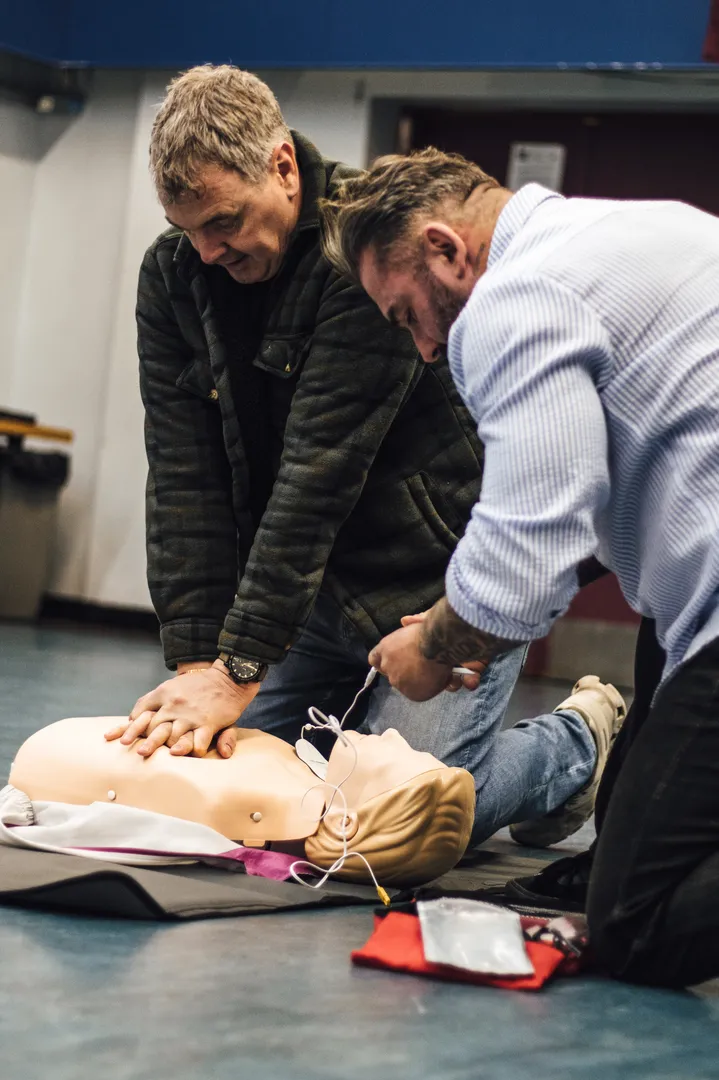
First Aid at Work Training is a more in-depth option. It suits larger sites, longer shifts, and anyone aiming for more responsibility on site.
- Broader capability: Supports a wider range of workplace incidents.
- Progression support: Useful for team leader and supervisor routes.
- Client reassurance: Helps meet expectations on high-standard retail contracts.
Who It’s Best For: Officers aiming for shopping centre roles, lead positions, or sites with higher safety expectations.
Compare course dates here: See First Aid at Work options.
CCTV Awareness, Radio Procedure, And Incident Report Quality
- CCTV awareness: Helps you give control room teams accurate time windows and descriptions.
- Radio procedure: Improves teamwork, response times, and professionalism on audited sites.
- Report quality: Better reports protect you and your employer because they are clear, factual, and consistent.
Where To Find Retail Security Jobs In London
London retail security roles are advertised by retailers, shopping centres, and contract security providers. A single site can also switch contractors, so it helps to search widely.
Retailers, Shopping Centres, And Contract Security Providers
- Retailers: Large chains sometimes hire in-house loss prevention staff and store detectives.
- Shopping centres: May run a central security team, often involving CCTV and patrols.
- Contract providers: Supply officers to multiple sites, which can be a fast way to gain experience.
Job Boards And Search Terms (Store Detective, Loss Prevention, Retail Security Officer)
- Search terms: Retail security London, store detective London, loss prevention London, shopping centre security London.
- Licence keywords: Door Supervisor licence, SIA badge, CCTV operator.
- Shift keywords: Night shift security London, weekends, 4 on 4 off.
Pay, Shifts, And Working Conditions In London
Pay and conditions vary by employer, licence type, and site risk. Nights and weekends often pay more. Some premium retail contracts pay better because they require stronger customer service and reporting standards.
What Affects Pay: Licence Type, Nights And Weekends, Site Risk, Experience
- Licence type: Door Supervisor and CCTV skills can broaden your options and sometimes affect rates.
- Shift pattern: Nights, weekends, and bank holidays can attract higher rates.
- Site risk: High-footfall and higher-theft locations may pay differently.
- Experience: Strong reporting and calm incident handling can help you move to better contracts.
For wider labour market context, the Office for National Statistics (ONS) is a reliable source for UK employment and earnings datasets.
Career Progression From Retail Security
Retail security can be a strong foundation because you build real, public-facing skills quickly. In London, progression often comes from adding CCTV capability, moving into supervision, or targeting specialist pathways.
Supervisor And Control Room Pathways
- Team leader: Often involves shift coordination, standards checks, and mentoring newer officers.
- Control room: CCTV and incident coordination roles, especially in shopping centres and multi-site retail operations.
Moving Into Specialist Security (Including Close Protection)
If you build a solid record in retail security, you can move into specialist work. London has more of these opportunities than most regions, but standards are higher, and training matters.
Close Protection Training (Career Progression), Best Next Step For Ambitious London Careers

Close Protection Training (Career Progression) is an advanced route for people who have built experience and want to move into protective work with higher responsibility.
- Clear progression pathway: Helps you move beyond entry-level guarding roles.
- Professional credibility: Shows commitment to specialist standards.
- London opportunity fit: London has a larger market for specialist security roles.
Who It’s Best For: Officers with experience who want to pursue close protection course London pathways.
Explore the course here: See Close Protection training options.
Fun Fact: Why It’s Called “Loss Prevention”
Retail security is often called “loss prevention” because retailers measure total ‘shrink’ (including errors and damaged stock). Preventing everyday losses can save more money than catching shoplifters. That is why great retail security focuses on prevention, reporting, and process as much as deterrence.
FAQs About Getting Into Retail Security In London
Which SIA Licence Is Best For Shopping Centres?
For many shopping centre security London roles, Door Supervisor is the most flexible option. Many centres include licensed premises and mixed-use areas. CCTV licensing is needed for control room CCTV operator duties. Requirements vary by site, so always check the advert and ask the recruiter to confirm.
How Long Does It Take To Get An SIA Licence?
It depends on how quickly you complete training and how long SIA processing takes when you apply. Plan for training first, then allow extra time for checks and licence processing. For the most reliable guidance, use the GOV.UK process: Apply for an SIA licence.
Can I Work In Retail Security Without An SIA Licence?
If the job involves licensable activity, you usually need the correct SIA licence. Some employers may hire you and give you non-licensable duties while you wait. However, you must not do licensable work without the correct badge.
If you want a clear plan for getting into retail security, explore Lead Element Training Wing LTD and compare options under training courses. For more guidance, visit the Lead Element Training Wing LTD blog.