
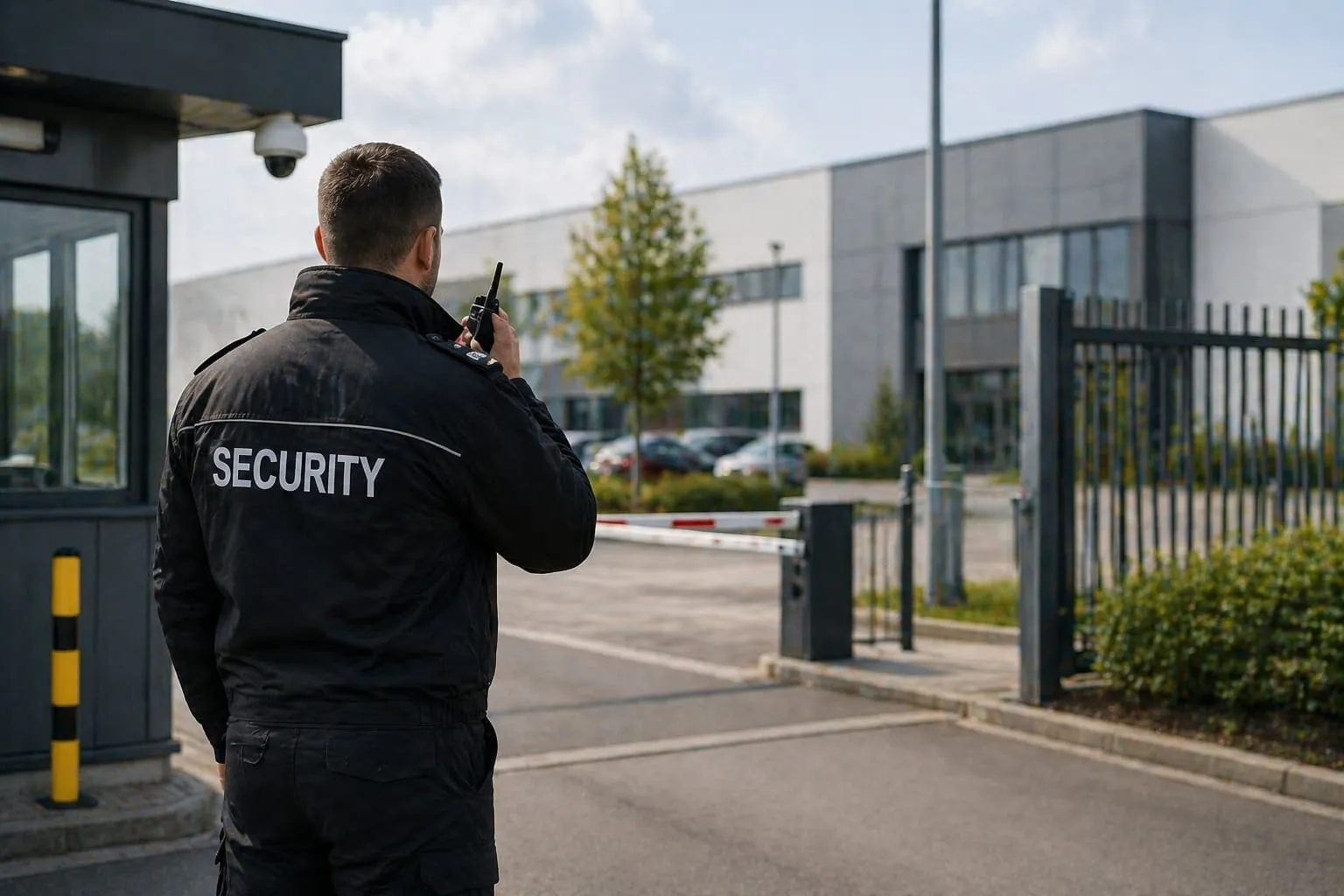
How Do You Become a Security Guard in the UK?
To become a security guard in the UK, you usually need the right SIA licence for the job, often Security Guarding or Door Supervisor. Complete the required SIA-approved training, pass the exams, then apply for your SIA licence online with ID checks and a criminality check. Once granted, you can legally work in licensed security roles.
If you are aiming to work in retail security, corporate guarding, events, or site security, the quickest route is choosing the right licence first. Then complete the correct SIA training and submit a careful application. This guide also covers the less obvious time steps, such as exam results and identity checks, plus common reasons applications fail, realistic costs, and what to do at renewal.
Licensing rules can change. Always confirm key details on the Security Industry Authority (SIA) on GOV.UK and the GOV.UK SIA licence application page.
Quick Answer: The Steps To Become A Security Guard In The UK
5-step checklist (most people follow this order):
- Pick the correct SIA licence: Security Guarding, Door Supervisor, CCTV, or Close Protection, depending on the role.
- Confirm eligibility: Right to work, acceptable ID, address history, and criminality considerations.
- Complete SIA-approved training: Attend the course and pass the required exams.
- Apply for your SIA licence online: Pay the fee, then complete an identity check appointment.
- Start work and stay compliant: Keep your licence valid and complete refresher training when required.
Step 1: Choose The Correct SIA Licence (Security Guarding, Door Supervisor, CCTV, Close Protection)
Your licence must match what you actually do on shift. A common mistake is choosing Security Guarding, then later finding out your employer needs a Door Supervisor. This often applies if you work at licensed premises, events, or in roles involving searching.
If you want a simple rule of thumb:
- If you will be guarding premises (static, retail, corporate): Security Guarding or Door Supervisor are the usual options.
- If you will work at pubs, clubs, many events, or do searching: Door Supervisor is commonly required.
- If you will monitor cameras in a public space control room: CCTV (Public Space Surveillance) is required.
- If you aim to protect individuals (bodyguarding): Close Protection is the specialist route.
Step 2: Check You’re Eligible (ID, Right To Work, Criminality Checks)
Before you pay for training, check the basics. You need the right to work in the UK, acceptable identity documents, and a background that meets the SIA’s criminality criteria. Mismatched names, incomplete address history, and missing documents are common causes of delays.
Step 3: Complete SIA-Approved Training And Pass The Exams
Training must be SIA-approved and match the qualification for your licence. You will sit exams, usually multiple choice, and some pathways include practical elements. Preparation matters, especially for conflict management and physical intervention topics.
If you want extra revision support, start with the SIA mock test questions and this guide on how to prepare for your SIA training exam.
Take the Free SIA Mock Test
Try a short set of mock SIA questions based on the topics above.
Step 4: Apply For Your SIA Licence And Book Your Identity Check
You apply online, pay the licence fee, then complete an identity check, often through a recognised verification service. The SIA also runs criminality checks. The official application flow and requirements are summarised on GOV.UK.
Step 5: Start Work And Keep Your Licence Valid (Renewals/Refreshers)
Once your licence is granted, you can legally work in roles that require it. Your licence must stay valid while you are employed. If it expires, employers usually cannot roster you for licensable activity until you renew.
What Does A Security Guard Do In The UK?
Security guarding is a customer-facing, safety-first job. According to the National Careers Service security officer profile, duties often combine safety, prevention, and reporting.
Typical Duties: Patrolling, Access Control, Incident Reporting, Conflict Management
- Patrolling and presence: Reducing risk through visibility, scheduled patrols, and checking vulnerable areas.
- Access control: Signing visitors in, checking passes, and controlling entry points.
- Incident reporting: Writing clear logs that may be used by managers, insurers, or the police.
- Conflict management: Using communication to calm situations before they escalate.
- Emergency response support: Following site procedures for fire alarms, evacuations, or medical incidents.
Where You Can Work: Retail, Corporate, Construction, Events, Healthcare
- Retail security: Loss prevention, store patrols, and high customer interaction.
- Corporate or reception guarding: Visitor management and access control, often in offices.
- Construction sites: Perimeter checks, controlling deliveries, and out-of-hours guarding.
- Events: Crowd management, searching (where authorised), and entry management.
- Healthcare: De-escalation skills are particularly important in hospitals and clinics.
Which SIA Licence Do You Need? (Pick Based On The Job)
This is where most people either save time and money or end up retraining. Use the guide below to match your job goal to the right licence.
| Job Goal Or Typical Job Title | Likely SIA Licence | Typical Workplaces |
|---|---|---|
| Static Security Guard, Corporate Security Officer | Security Guarding (or Door Supervisor for flexibility) | Offices, business parks, warehouses |
| Retail Security Guard, Store Detective (frontline) | Security Guarding or Door Supervisor | Shopping centres, supermarkets, high street retail |
| Door Supervisor, Event Security (licensed venues) | Door Supervisor | Pubs, clubs, festivals, stadiums |
| CCTV Operator (Public Space Surveillance) | CCTV (Public Space Surveillance) | Council or transport control rooms, monitoring centres |
| Bodyguard, Executive Protection Operative | Close Protection | VIP protection, corporate travel, high-risk assignments |
Security Guarding Licence: Who It’s For And Typical Roles
The Security Guarding licence is generally for protecting premises, property, and people. It often includes access control, monitoring, and patrols. Typical roles include static guarding, corporate security, and some retail security jobs.
If you are unsure about training vs licensing, this explainer can help: SIA licence vs SIA training, what is the difference?
Door Supervisor Licence: Why It Covers More And Where It’s Required
The Door Supervisor licence is often the more flexible option. Employers commonly ask for it in licensed premises and many event environments. It is also a frequent requirement for busy, public-facing roles.
If you are weighing up options, compare the two routes here: Door Supervisor vs Security Guard training.
Door Supervisor Training, Best For Flexible Frontline Work

Door Supervisor Training is a practical starting point if you want broader job options than guarding-only roles. It suits venues, events, and many public-facing assignments.
- Wider role coverage: Useful if you may move between retail, events, and licensed venues.
- Frontline confidence: Builds skills for conflict management and safer decision-making.
- Employer-friendly choice: Commonly requested on job adverts for busy public environments.
- Clear progression path: A solid foundation before adding CCTV or specialist pathways.
Who It’s Best For: New entrants who want flexibility, and anyone unsure whether they will end up in retail, events, or licensed venues.
Explore Door Supervisor Training with Lead Element Training Wing LTD here.
CCTV (Public Space Surveillance): When It’s Required
You need the CCTV licence when you use CCTV equipment to monitor public spaces, typically in a control room or monitoring centre. This differs from basic in-house camera viewing in some private settings. Always check the job description and your employer’s compliance requirements.
CCTV Training (Public Space Surveillance), Best For Control Room Roles

CCTV Training (Public Space Surveillance) suits people who prefer observation, evidence handling, and escalation over frontline guarding.
- Specialist employability: Suitable for control rooms and monitoring environments.
- Evidence-led skills: Focuses on accurate observation and recording.
- Good add-on licence: Can broaden your options alongside frontline work.
- Progression potential: Helpful for moving into supervisory monitoring roles over time.
Who It’s Best For: Anyone targeting CCTV operator roles, or guards looking to diversify into monitoring work.
Compare options and timings on CCTV Training with Lead Element Training Wing LTD.
Close Protection: When It’s Worth Considering
Close Protection is a specialist SIA pathway for protecting individuals. It is not the first step for most people. However, it can be a strong goal once you have experience and an interest in planning, threat awareness, and professional conduct.
Close Protection Training, Best For Career Progression Beyond Guarding

Close Protection Training is designed for people who want to move into protective security work. Professionalism, planning, and situational awareness are central.
- Higher responsibility skill set: Focuses on protective duties and risk-led thinking.
- Career pathway support: Helps you move from entry-level roles into specialist work.
- Professional standards focus: Emphasises conduct, planning, and communication.
- Strong add-on for experienced staff: Particularly relevant if you already have frontline experience.
Who It’s Best For: People planning a long-term security career who want to move into protective roles.
See course details on Close Protection Training with Lead Element Training Wing LTD.
Recommended Training Routes (Quick Picks):
- If you want broad frontline roles: Start with Door Supervisor Training.
- If you want monitoring and control room work: Add CCTV Training (Public Space Surveillance).
- If you want to browse all options: Explore the full training courses with Lead Element Training Wing LTD.
Eligibility Checklist (Common Reasons Applications Fail)
Right To Work, Address History, And Identity Documents
Most delays happen because of missing details or inconsistencies, not because someone is unqualified. Before training or applying, prepare:
- Right to work evidence: Ensure you can legally work in the UK.
- Identity documents: Use a valid ID that matches your application details exactly.
- Address history: Provide the full address history as required. Gaps can slow checks.
- Name consistency: Use the same name format on your ID, application, and any supporting documents.
Criminality Checks: What The SIA Considers
The SIA carries out criminality checks and considers offences using its published criteria. A criminal record does not automatically mean refusal. However, some convictions and patterns of offending can lead to an application being declined.
If you are concerned, read the official guidance and consider getting advice before spending money on training.
English Language And Practical Fitness Expectations (Role-Dependent)
- English skills: You must be able to communicate clearly and complete incident reports.
- Fitness expectations: Many roles involve long periods of standing or patrolling. Some involve night shifts.
- Role reality: Retail security is often customer-service-heavy, so calm communication matters.
Training: What You’ll Learn And How To Prepare
Core Modules You’ll See Across SIA Courses
Exact modules depend on the licence. However, most SIA pathways include:
- Working in the private security industry: Roles, responsibilities, and legal context.
- Conflict management: Communication, de-escalation, and decision-making.
- Safety and emergency procedures: Site procedures, incident response, and reporting.
- Role-specific training: For example, physical intervention for Door Supervisor pathways, or CCTV procedures for surveillance roles.
Tip: Once you’ve chosen the SIA licence that matches your target role, complete the required SIA-approved training. If you want a flexible foundation, start with Door Supervisor Training, then add a specialism like CCTV Training if it fits your job goals.
How The Exams Work And Revision Tips
- Know the question style: Exams are commonly multiple choice. Read each question carefully.
- Revise key topics: Focus on conflict management, reporting, and legal responsibilities.
- Practise timed questions: Use mock questions to build confidence.
- Prepare for the day: Bring the required ID and arrive early to avoid stress.
For a full breakdown, read how to prepare for the SIA training exam.
Take the Free SIA Mock Test
Try a short set of mock SIA questions based on the topics above.
Costs And Timelines: How Long It Takes And What You’ll Pay
Training Course Fees Vs SIA Licence Fee (What’s Included)
There are usually two main cost components:
- Training course fee: Set by the training provider and varies by location, course length, and what is included.
- SIA licence application fee: Paid when you apply for the licence. Fees can change, so confirm the current amount on GOV.UK.
If you want a clearer breakdown, this guide may help: SIA licence cost in the UK.
Typical End-To-End Timeline (Training → Application → Decision)
Timelines vary, but this is a realistic planning guide:
- Training: Commonly completed within days to a couple of weeks, depending on the course schedule.
- Exam results processing: This can add extra days before you can apply if certification evidence is needed.
- Licence application submission: Often done the same day you are ready, once you have the required details.
- Identity check appointment: Booking availability can add time, especially during busy periods.
- SIA decision time: Often a few weeks, but it can take longer if checks need more review or your address history is complex.
For a step-by-step walkthrough, see how to get an SIA licence in the UK.
How To Apply For An SIA Licence (Step-By-Step)
Create An Online Account, Submit Details, And Pay
- Create your account: Follow the official SIA online process.
- Enter your details accurately: Double-check names, dates, and address history.
- Pay the fee: Your application is not complete until payment is successful.
Identity Check: What To Bring And How It Works
The identity check is a key step. If you leave it too late, it can delay your start date. Prepare:
- Correct ID: Use valid documents that match your application details.
- Supporting documents if needed: Bring what is required for your circumstances.
- Consistency: Ensure your address and name match across documents to prevent re-checks.
Always refer back to the official process on GOV.UK for current requirements.
Getting Your First Security Job
CV Tips And What Employers Look For
- Licence and training listed clearly: Put your SIA licence type and expiry date near the top.
- Show reliability: Employers value punctuality, attendance, and professional communication.
- Highlight reporting skills: Mention incident logging, customer service, or any role requiring clear written notes.
- Be honest about experience: If you are new to security, focus on transferable skills.
If you are applying for Door Supervisor roles, it can help to understand pay expectations and progression: Door Supervisor salary in the UK.
Extra Qualifications That Can Help (First Aid, CCTV, Customer Service)
To stand out in your first applications, an additional workplace qualification can help. This is especially true on retail sites or lone-worker shifts, where you might be first on scene.
First aid training is widely valued. For official context, see the HSE first aid at work guidance.
Emergency First Aid At Work Training, Best For Security Guards Who Want A Fast Employability Boost

Emergency First Aid at Work Training is a common add-on because it builds confidence for real incidents without a long time commitment.
- Workplace-ready response: Helps you act appropriately in urgent situations while on duty.
- Employer confidence: Supports applications where the first response is valued.
- Great for frontline sites: Particularly relevant for retail, events, and busy public areas.
- Practical skill focus: Concentrates on immediate actions until help arrives.
Who It’s Best For: New starters and frontline staff who want to strengthen their CV quickly.
See dates and details for Emergency First Aid at Work Training with Lead Element Training Wing LTD.
First Aid At Work Training, Best For Longer Shifts And Higher-Risk Sites

First Aid at Work Training is a more in-depth option for security professionals working longer shifts, higher-footfall sites, or more complex environments.
- Deeper first aid competence: Builds broader knowledge for workplace incidents.
- Useful for team leaders: A strong option if you are moving towards supervisory duties.
- Confidence on demanding sites: Helpful where you may support incidents before emergency services arrive.
- Signals professionalism: Shows employers you take safety responsibilities seriously.
Who It’s Best For: Guards on longer shifts, lone workers, and those targeting higher-responsibility sites.
Explore First Aid at Work Training with Lead Element Training Wing LTD here.
Action Tip: If you are comparing SIA courses, start by matching your target job to the right licence. Then you can compare SIA training courses with Lead Element Training Wing LTD and add first aid to strengthen your applications.
Renewals And Refreshers: Keeping Your Licence Current
When You Need Refresher Training (And For Which Roles)
Refresher requirements depend on your licence type and current SIA rules. If your licence is close to expiry, do not leave it late. You may need training before renewal, and you do not want a gap where you cannot legally carry out licensable activity.
Refresher Door Supervisor Security Training, Best For Staying Working And Renewal Readiness

Refresher Door Supervisor Security Training helps Door Supervisors update key skills and stay ready for renewal requirements.
- Supports ongoing compliance: Helps you stay aligned with refresher expectations.
- Protects your employability: Reduces the chance of losing shifts because your licence has expired.
- Refreshes frontline skills: Useful if you have been out of the industry or changed roles.
Who It’s Best For: Door Supervisors with an upcoming renewal window, or anyone returning to frontline work.
Check availability for Door Supervisor Refresher Training with Lead Element Training Wing LTD.
Refresher Close Protection Training, Best For Experienced Operatives, Maintaining Standards

Refresher Close Protection Training supports experienced professionals who want to maintain competence and professional standards.
- Skills update: Helps keep your approach current and consistent.
- Professional confidence: Useful before returning to higher-responsibility assignments.
- Career continuity: Supports long-term progression in protective security work.
Who It’s Best For: Close Protection operatives who want structured refreshers as part of ongoing development.
Explore Refresher Close Protection Training with Lead Element Training Wing LTD.
Take the Free SIA Mock Test
Try a short set of mock SIA questions based on the topics above.
FAQ
Do I Need An SIA Licence To Work As A Security Guard?
For most frontline, licensable security roles, yes. If the role is classed as a licensable activity, you must have the correct SIA licence before you can legally do the job. Confirm details on the SIA and GOV.UK pages.
Can I Apply With A Criminal Record?
Possibly. The SIA looks at offence types, patterns, and other factors. Some convictions can lead to refusal, but a record does not automatically mean you cannot be licensed. If you are unsure, review official SIA guidance before paying for training or applying.
Is Door Supervisor Better Than Security Guarding?
It depends on your target job. A Door Supervisor is often more flexible because it is commonly required for licensed premises and many event roles. Security Guarding can still suit static and corporate roles. If you think you may switch sectors later, a Door Supervisor can reduce the chance of retraining.
How Much Do Security Guards Earn In The UK?
Pay varies by region, shift pattern, sector, and experience. For general role context, use the National Careers Service security officer profile as a baseline, then check local job listings for your area.
Fun Fact: The Door Supervisor Licence Is Often The Most Flexible
Many people do not realise that the Door Supervisor licence can be the most flexible option. It often covers more frontline environments than Security Guarding alone. Choosing the right licence first can reduce the need to retrain if you move from retail or static sites into venues or events.
Conclusion
To become a security guard in the UK, focus on three things: choose the correct SIA licence for the role, complete SIA-approved training and exams, and then submit a careful licence application with the right ID and full address history. If you want help choosing the best route, you can browse all courses with Lead Element Training Wing LTD or contact Lead Element Training Wing LTD to discuss the training pathway that matches your job goal.

![Security in doorway [city]](https://security-guard-training.co.uk/wp-content/uploads/2024/04/4_Security-in-doorway-768x609.webp)
![Can you take a mock test for security guard training [city]](https://security-guard-training.co.uk/wp-content/uploads/2026/04/Can-You-Take-a-Mock-Test-for-Security-Guard-Training-768x512.webp)
