![What is the cheapest route to getting an sia licence [city]](https://security-guard-training.co.uk/wp-content/uploads/2026/06/What-is-the-cheapest-route-to-getting-an-SIA-licence.webp)
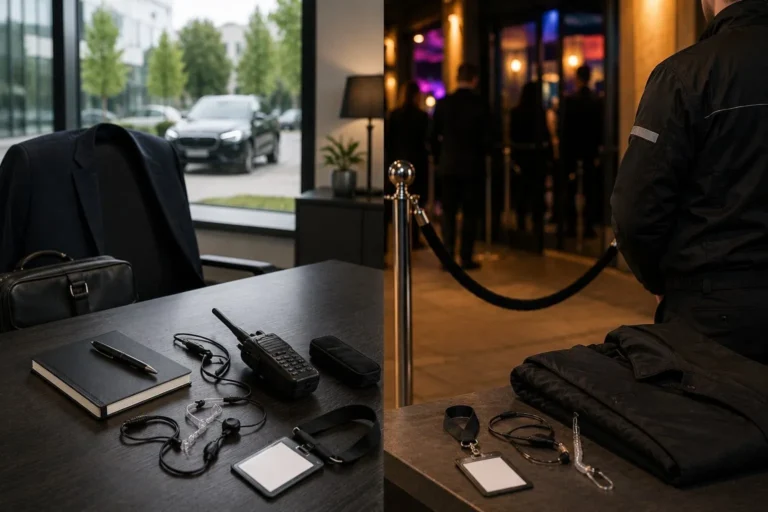
What is the cheapest route to getting an SIA licence?
Direct Answer Summary: The cheapest route to an SIA licence is to choose the correct licence type for your job, book the lowest-priced SIA-approved training near you, and only pay the mandatory costs. That usually means training, required first aid (if needed), plus the fixed SIA application fee. Avoid “fast-track” add-ons, check what’s included (resits and admin fees), and keep travel and time off work to a minimum.
Last Updated: June 2026
If you’re searching for the cheapest SIA licence, it helps to separate costs you can control from those you cannot. You can control training price, first aid costs, travel, and resits. You cannot control the fixed SIA application fee. This guide explains the minimum legitimate costs, highlights common pricing traps, and helps you choose the lowest-cost licence that still fits the work you want.
For many new entrants, the best-value low-cost route is simple. Get the right first aid once, take a Door Supervisor course for broader job options, then apply online with the SIA.
Cheapest Route To Getting An SIA Licence (Quick Summary + Minimum-Cost Checklist)
- Choose the right licence type first: Pick the licence that matches your target job, so you do not pay twice later.
- Only budget for mandatory costs: Training fee + first aid (if required) + the SIA application fee.
- Use a nearby training venue: Reduces travel costs and time off work.
- Check what’s included before paying: Confirm resit fees, admin charges, and first aid acceptance in writing.
- Apply on GOV.UK yourself: The official application is online, so you do not need an agent.
Quick “minimum cost” route you can follow today:
- Compare course options: Explore Door Supervisor Training (often best value for flexible work).
- Keep first aid cost-effective: If you need first aid, start with Emergency First Aid at Work Training Course, then upgrade only if an employer or site requires it.
- Plan renewal costs now: If you are renewing, compare Refresher Door Supervisor Security Training with repeating full training.
| Cost Item | Mandatory? | Who Sets The Price? | How To Keep It Cheap |
|---|---|---|---|
| SIA Training Course | Yes | Training provider | Compare inclusions, choose nearby dates, and avoid extras you do not need. |
| First Aid Qualification (If Required) | Often yes | First aid provider | Use a recognised course (often EFAW) and check validity before booking. |
| SIA Application Fee | Yes | Government (SIA) | It is fixed, so apply via GOV.UK yourself and avoid paid “agents”. |
| Fast-Track / Premium Processing | No | Third party | Avoid it. You cannot buy a faster SIA decision from a trainer. |
| Admin Fees, “Certificate Fees”, Upsells | No | Training provider | Ask for an all-in price, including assessments and a clear resit policy. |
What You Must Pay For (Mandatory Costs)
Once you have confirmed which licence you need, focus on the training costs you can control. Compare providers carefully so you do not overpay.
1) Training Course Fee (Varies By Licence Type, Location And Provider)
Your training course is usually the biggest variable cost. Prices vary by location, demand, course dates, and what the provider includes.
- Licence type: Door Supervisor and CCTV courses differ in length and content, so costs can differ.
- Location: Big cities may cost more, but going local can save travel costs.
- What’s included: Confirm exams, learning materials, and support are included in the advertised price.
If you want to compare options across locations, start with Lead Element Training Wing LTD training courses. Then filter by the licence you need and choose a venue close to home or work.
2) First Aid Qualification Cost (When Required And What Counts)
First aid is the cost people most often miss. For many frontline SIA pathways, you must hold a recognised first aid qualification before you can complete training and receive certification.
Good first aid training should meet recognised UK workplace standards. For official guidance, see the Health and Safety Executive: First aid at work (HSE).
Cost-saving tip: If you already have valid first aid, do not pay again. Ask the training provider to confirm, in writing, whether your certificate is accepted. Also check whether it must be in date on day one.
Simple decision tree (to avoid paying twice):
- If you need the cheapest compliant option: Choose Emergency First Aid at Work (EFAW) if it meets the requirement.
- If your employer or site demands broader cover: Consider First Aid at Work (FAW) for wider acceptance.
Emergency First Aid At Work Training Course: Best For Keeping Costs Low

The Emergency First Aid at Work Training Course is a practical, time-efficient route that often meets common entry requirements for security training. It is also a strong option if you want to keep your total spend low.
- Lower upfront cost: Helps you meet common prerequisites without overspending.
- Quick to complete: Makes it easier to start SIA training sooner.
- Practical skills: Builds confidence for real incidents in public-facing roles.
- Less chance of rebooking: Helps you avoid paying twice for the wrong first aid course.
Who It’s Best For: New entrants who need first aid and want the cheapest legitimate route into SIA training.
Explore course dates and options here: Emergency First Aid at Work Training Course.
First Aid At Work Training: Best For Broader Workplace Requirements
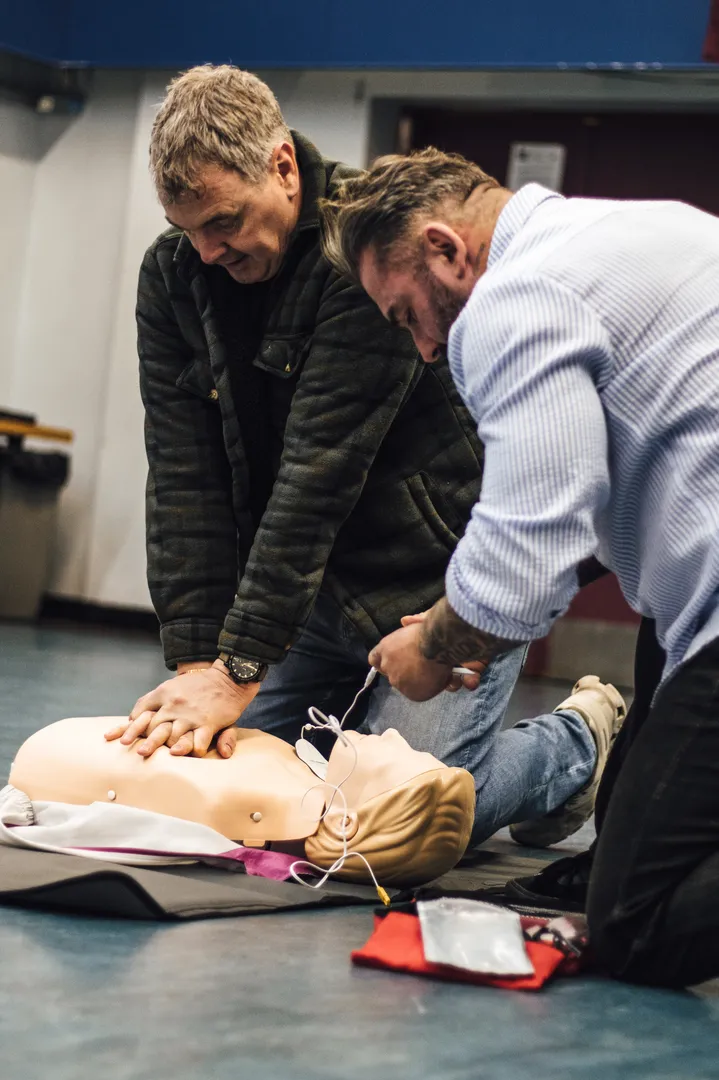
First Aid at Work Training goes further than EFAW. It can be better value if you plan to work on sites with stricter first aid expectations, or if an employer prefers a more comprehensive qualification.
- Broader coverage: More in-depth training for workplace scenarios.
- Better fit for some sites: Can suit employers with higher first aid expectations.
- Fewer upgrade costs later: May reduce the chance you need to pay to “upgrade” in future.
- More confidence on shift: Useful in higher-footfall environments.
Who It’s Best For: Learners who can spend a bit more upfront for wider site acceptance.
Compare the course here: First Aid at Work Training.
3) SIA Application Fee (Fixed Cost Set By Government)
The SIA is the regulator. You apply and pay the licence fee through GOV.UK, not through a training company. You can read more about the regulator here: Security Industry Authority (SIA) on GOV.UK.
The SIA application fee is a fixed government-set cost. GOV.UK states the front line licence application fee is £184, regardless of where you trained: SIA licence fees (GOV.UK).
When you are ready, apply via the official service: Apply for an SIA licence (GOV.UK).
Other Costs To Budget For (Photo ID, Travel, Time Off Work, Resits)
- Identity documents: You may need valid photo ID and proof of address. Check requirements before day one.
- Travel and parking: A “cheaper” course far away can cost more overall.
- Time off work and childcare: Course length affects your real total cost.
- Resits: If you fail an exam or miss a day, you may pay resit or rebooking fees. Ask for the policy upfront.
Which SIA Licence Is Cheapest Vs Which Is Best Value?
The cheapest course price is not always the cheapest route overall. If you pick a licence that limits job options, you may end up paying again to upgrade.
| Licence Route | Typical Work Areas | Job Flexibility | Best For |
|---|---|---|---|
| Door Supervisor | Retail, venues, events, some guarding roles | High | People who want more job options from one licence. |
| Security Guarding | Static guarding, corporate, industrial | Medium | People targeting non-Door Supervisor guarding roles only. |
| CCTV (Public Space Surveillance) | Control rooms, monitoring, surveillance | Role-specific | People who want control room and monitoring work. |
| Close Protection | Bodyguarding, high-risk client protection | Specialist | People committed to CP work, not a “cheap badge” route. |
Door Supervisor: Often Best Value For Job Flexibility
If you want nightclub, retail, venue, or event work, Door Supervisor is often best value. It can reduce the risk of paying for a second course later.
Security Guarding Vs Door Supervisor: When “Cheaper” Limits Job Options
Security Guarding can look cheaper in some areas. However, it may limit you if you later want doors, events, or roles that require Door Supervisor. In that situation, the “cheapest route” can become expensive.
CCTV: When It’s Worth Paying More
If you only want control room work, CCTV training can be the most efficient route. It may be better value than Door Supervisor if you will not work on doors or events.
Close Protection: Why It Costs More (And Who It’s For)
Close Protection is a specialist pathway with longer training and higher expectations. It is rarely the cheapest route. It can still be the right investment if CP is your clear goal.
Door Supervisor Training: Best Value For Flexible Security Work

Door Supervisor Training is Lead Element Training Wing LTD’s core pathway for learners who want broad job eligibility across venues, events, and many retail security roles.
- Broader job access: Can support more roles than basic guarding alone.
- Better long-term value: Helps reduce the chance you will need to pay to upgrade later.
- Clear route to licensing: Train, pass, then apply online with the SIA.
- Practical skills: Designed for real public-facing scenarios.
Who It’s Best For: Anyone who wants a flexible frontline option without paying for multiple licences.
Compare upcoming options here: Door Supervisor Training.
CCTV Training: Best For Control Room And Monitoring Roles

CCTV Training suits learners who want surveillance and monitoring roles. These roles are often based in control rooms rather than on doors.
- Role fit: Focuses on monitoring, incident reporting, and surveillance duties.
- Efficient pathway: Avoids paying for content you will not use if you only want CCTV work.
- Professional progression: Can support progression into security operations roles.
Who It’s Best For: People targeting CCTV operator roles and control room work.
Explore course details here: CCTV Training.
Close Protection Training: Best For Specialist High-Responsibility Work

Close Protection Training is typically longer and more intensive than other SIA routes. That is why it is not usually the cheapest option. It can be the right choice if close protection is your long-term career plan.
- Specialist pathway: Built around close protection responsibilities and client safety.
- Career-focused investment: Best suited to people committed to CP work rather than general guarding.
- Higher expectations: Usually involves more training time and preparation.
Who It’s Best For: Learners aiming specifically for close protection roles.
Read the full course outline here: Close Protection Training.
Step-By-Step: The Cheapest Way To Get Your SIA Licence
Step 1: Confirm Eligibility And Choose The Right Licence Before Paying
- Check basic eligibility: Age, right to work, and suitability for licensing.
- Choose your target role: Door Supervisor, Security Guarding, CCTV, or Close Protection.
- Reduce upgrade risk: If unsure, Door Supervisor is often better value because it covers more job types.
If you want location-specific options, you can browse local pages such as SIA security licence course training in Westminster.
Step 2: Get First Aid In The Most Cost-Effective Way (EFAW Vs FAW)
- Check if you already qualify: Share your certificate details and expiry date with the provider before you book.
- Pick the lowest acceptable level: Use EFAW if it meets requirements, then upgrade only if needed.
- Avoid mismatches: Confirm acceptance before you pay for first aid training.
To compare both options, start with Emergency First Aid at Work and First Aid at Work.
Step 3: Pick An SIA-Approved Provider And A Nearby Course Date
- Choose a reputable provider: Confirm the course leads to the correct SIA-linked qualification.
- Minimise travel and time off: A closer venue can be cheaper overall, even if the course price is slightly higher.
- Ask for the all-in price: Make sure it includes assessments and any required materials.
If you want help choosing the right course, contact Lead Element Training Wing LTD here: Contact us.
Step 4: Pass Training, Then Apply Online And Pay The SIA Fee
After you complete training and your results are processed, apply on GOV.UK and pay the fixed fee. Use the official application service: Apply for an SIA licence.
- Apply yourself: You do not need to pay anyone to submit the form.
- Use accurate details: Errors can slow processing.
- Budget for the fixed fee: The licence fee is separate from training costs.
Step 5: Track Your Application And Prepare For Job Applications
- Track updates: Respond to SIA messages and information requests quickly.
- Get job-ready: Prepare your CV, right-to-work evidence, and preferred shift patterns.
- Plan your start date: Choose training dates that fit local hiring windows.
For more job and training tips, browse the Lead Element Training Wing LTD blog.
How To Spot “Cheap” Deals That Cost More Later
Hidden Fees Checklist (Resits, Admin Charges, “Certificate” Fees, Upsells)
Before you pay any provider, ask the questions below. They help you avoid the most common “cheap course” traps.
- What is included in the advertised price?: Confirm assessments, learning materials, and certification handling are included.
- What are resit fees and rescheduling fees?: Get the policy in writing, including limits and timeframes.
- Is first aid included?: If not, ask which first aid certificates are accepted and whether it must be completed before day one.
- Are there admin fees?: Avoid vague “registration” or “processing” charges that inflate the total.
- Are there upsells presented as mandatory?: Be cautious of “fast-track badge” claims and premium certificate add-ons.
How To Verify An SIA-Approved Training Provider (What To Check)
- Clear course title and licence outcome: It should state which SIA-linked qualification you are completing.
- Transparent prerequisites: First aid requirements and ID checks should be explained upfront.
- Documented policies: Refunds, resits, and rebooking terms should be easy to find.
- No misleading “badge for sale” language: Training companies do not sell the licence; they deliver training.
- Official application route: They should direct you to apply via GOV.UK, not a third-party form.
Funding And Discounts: Ways To Reduce What You Pay
Employer Sponsorship/Reimbursement
Some employers pay upfront or reimburse you after probation. If you are already working (or have a conditional offer), ask:
- Will you cover training and first aid?: Get the agreement in writing.
- Do you require a specific licence?: Confirm this so you do not choose the wrong route.
- Do you require FAW rather than EFAW?: Clarify this before booking first aid.
Jobcentre/Universal Credit And Local Employability Programmes
Depending on your situation, you may be eligible for support through Jobcentre Plus, Universal Credit work coach funding, or local employability schemes. Bring a clear plan, including your target role, local vacancies, and realistic training dates.
Pay Monthly Vs Pay Upfront: What To Compare To Avoid Paying More
- Total payable amount: Check that instalments do not cost much more than paying upfront.
- Refund terms: Confirm what happens if you cannot attend.
- What happens if you fail: Ask whether resits are included, discounted, or charged separately.
If you are comparing routes and pricing, start with Lead Element Training Wing LTD’s course listings. You can also ask the team for the most cost-effective option for your goal.
Cheapest Route By Scenario
I Want Nightclub/Retail/Event Work Quickly
- Best-value licence route: Door Supervisor is usually the most flexible for venues and events.
- Reduce delays: Book first aid early (if required), then choose the closest available course date.
- Start here: Door Supervisor Training.
I Already Have Valid First Aid
- Do not rebook unnecessarily: Send your certificate to the provider and confirm acceptance.
- Target the cheapest overall route: Your total could be training plus the fixed £184 SIA fee.
- Keep proof ready: Bring your certificate details on course day.
I’m Renewing: Refresher Routes Vs Repeating Full Training
At renewal time, refresher training may be the most cost-effective way to stay compliant. It can also reduce time off work compared with repeating the full course.
Refresher Door Supervisor Security Training: Best For Cost-Effective Renewal

Refresher Door Supervisor Security Training is designed for existing Door Supervisors who need an update route. It can help you avoid unnecessary retraining costs when a refresher is the correct requirement.
- Renewal-focused: Covers updates rather than repeating the full programme.
- Saves time: Often takes less time than starting from scratch.
- Helps avoid extra costs: Reduces the risk of booking the wrong training route.
- Supports continuity: Helps you stay job-ready with minimal downtime.
Who It’s Best For: Existing licence holders planning renewal who need Door Supervisor refresher training.
See refresher options here: Refresher Door Supervisor Security Training.
Refresher Close Protection Training: Best For Returning To CP Work

If you work in close protection, Refresher Close Protection Training can be a cost-saving option. It may meet your update requirement without paying for full CP training again.
- Update route: Focuses on maintaining competence for CP professionals.
- Reduces repeat training spend: Helps you avoid paying for a full course unnecessarily.
- Supports re-entry: Useful if you are returning after time away.
Who It’s Best For: CP professionals who need an update route to stay compliant and job-ready.
Explore the refresher route here: Refresher Close Protection Training.
FAQ: Cheapest SIA Licence Questions
How Long Does It Take From Booking A Course To Getting A Licence?
It depends on course availability, course length, and SIA processing time. Many learners complete training in several days to a couple of weeks, depending on the licence type and dates available. After that, you apply online and wait for the SIA decision.
Can I Work While My SIA Application Is Processing?
In most cases, you must have the correct SIA licence to do licensable activity. If an employer offers you a role that requires an SIA licence, confirm start-date expectations before paying for training.
What If I Fail, Do I Pay Again And How Can I Reduce Resit Costs?
Resit rules and fees vary by provider and awarding body. To keep costs down:
- Ask about resit fees upfront: Get a clear written policy before booking.
- Attend all days: Missing units can trigger extra charges.
- Use pre-course materials: Revise early to reduce the risk of paid resits.
How Long Does An SIA Licence Last And What Does Renewal Usually Cost?
SIA licences are typically valid for three years. Renewal usually means paying the licence application fee again. Depending on your licence type and current rules, you may also need refresher training. Budget early so renewal does not become an urgent expense.
Fun Fact: You Cannot “Buy” An SIA Badge From A Trainer
People often say they are “buying an SIA badge”, but a training company cannot sell you a licence. Your main costs are the qualifying training and the government-set SIA application fee, which stays the same no matter which provider you train with.
Conclusion
The cheapest legitimate route to an SIA licence is straightforward. Choose the right licence for your job goal, keep first aid cost-effective, select a nearby course with transparent inclusions, then apply via GOV.UK and pay the fixed fee.
If you want help comparing the most cost-effective route for your situation, explore Lead Element Training Wing LTD’s training courses or message the team via Contact us to confirm prerequisites, dates, and what is included before you book.

![What is the difference between emergency first aid and first aid at work [city]](https://security-guard-training.co.uk/wp-content/uploads/2026/06/What-is-the-difference-between-emergency-first-aid-and-first-aid-at-work-768x512.webp)
![Man in white shirt on a radio [city]](https://security-guard-training.co.uk/wp-content/uploads/2024/04/2_Man-in-white-shirt-on-a-radio-768x512.webp)
![Security operators by escalators [city]](https://security-guard-training.co.uk/wp-content/uploads/2024/04/3_2-security-operators-by-escalators-768x512.webp)