![What is the difference between sia refresher training and initial training in the uk [city]](https://security-guard-training.co.uk/wp-content/uploads/2026/05/What-is-the-difference-between-SIA-refresher-training-and-initial-training-in-the-UK.webp)
What is the Difference Between SIA Refresher Training and Initial Training?
Initial SIA training is the full qualification you complete to apply for your first SIA licence, for roles such as Door Supervisor or Close Protection. SIA refresher training is shorter. You take it later to renew an existing licence and update key skills and legal guidance. Refresher requirements, content and prerequisites (including first aid) depend on your licence type and renewal timing.
If you are unsure which one you need, use this rule of thumb: First licence application equals initial training. Renewal of an existing licence equals refresher training, where the SIA requires it for your licence type.
Compliance note: Training supports your licence application or renewal, but the final licensing decision always sits with the Security Industry Authority. Requirements can change, so always cross-check official guidance from the Security Industry Authority (SIA) on GOV.UK and the Apply for an SIA licence guidance.
Difference Between SIA Refresher Training And Initial Training (Quick Comparison)
| Comparison Point | Initial SIA Training | SIA Refresher Training |
|---|---|---|
| Purpose | Build Core Skills And Meet The Training Requirement Before Your First Licence Application | Update Knowledge And Critical Skills To Support Licence Renewal (Where Required) |
| Who It’s For | First-Time Applicants Or People Adding A New Licence Type | Existing Licence Holders Approaching Renewal (Depends On Licence Type) |
| Typical Duration | Longer, Multi-Day Course (Varies By Licence Type) | Shorter Than Initial, Focused On Updates And Key Practical Skills |
| First Aid Requirement | Often Required For Frontline Roles Such As Door Supervisor, Must Be In Date Where Applicable | May Still Be Required For Renewal Training, Depending On Licence Type And Current SIA Rules |
| Assessments | Formal Exams Plus Practical Elements (Role Dependent) | Assessment Of Updated Content And Any Mandatory Practical Refresh Elements |
| Outcome | A Regulated Qualification Used In Your First SIA Licence Application | Evidence Of Meeting Refresher Training Requirement To Support Renewal |
At A Glance: Purpose, Who It’s For, And Outcome
- Initial Training: A full entry-level qualification for new applicants, built around core law, safety, working practices and role-specific skills.
- Refresher Training: A shorter course taken later, focused on updates, higher-risk topics and critical skills the SIA wants renewing licence holders to revisit.
- Outcome Difference: Initial training supports a first application, refresher training supports renewal when required.
Choose Your Route: If you are applying for the first time, explore Door Supervisor Training or Close Protection Training. If you are renewing, compare options like Refresher Door Supervisor Security Training or Refresher Close Protection Training.
What Is SIA Initial Training?
Who Needs Initial Training (First-Time Applicants)
You typically need initial SIA training if you are:
- Applying For Your First SIA Licence: You must complete the relevant qualification before you apply.
- Adding A New Licence “Line”: If you hold one SIA licence type but want another (for example, moving into CCTV), you usually need the initial training for that new licence type.
If you are still deciding between training and licensing, this guide may help: SIA Licence Vs SIA Training: What’s The Difference?
What Initial Training Typically Includes (Units, Exams, Practical Elements)
Initial training is a structured programme designed to meet the SIA-linked qualification requirements. Exact units vary by licence type, but most initial courses cover:
- Legal And Professional Knowledge: Key laws, licensing-linked rules and professional standards for frontline work.
- Safety And Risk Awareness: Recognising risk, responding to incidents and maintaining safety in busy environments, including retail and events.
- Role-Specific Skills: For example, conflict management and searching for door supervision, or operational planning for close protection.
- Assessments: Usually a mix of exams and practical assessments, depending on the qualification.
These qualifications sit within the UK’s regulated framework, overseen by bodies such as Ofqual. Approved awarding organisations and training centres manage delivery and assessment.
How Initial Training Links To Your First SIA Licence Application
Training is the education requirement. The licence is the legal permission to do licensable activity. Once you pass your course, you apply for your licence via GOV.UK: Apply for an SIA licence.
To plan your timeline and costs, these guides can help:
What Is SIA Refresher Training?
Who Needs Refresher Training (Licence Renewal Requirements)
SIA refresher training is for existing licence holders who are renewing and need to meet the current refresher requirement for their licence type.
- It Is Not Universal: Requirements vary by licence type and can change over time.
- It Focuses On Updates: You refresh key knowledge and practical skills, rather than repeating the full initial programme.
What Refresher Training Typically Covers (Updates And Critical Skills)
Refresher training usually concentrates on areas where guidance and risk can change, such as:
- Changes In Relevant Law And Guidance: So you can follow current expectations on shift.
- Safety-Critical Skills: Including decision-making, risk awareness and practical skills linked to your licence line.
- Professional Standards And Best Practice: Reinforcing the behaviours expected in licensed roles.
When To Take Refresher Training (Before Renewal And Expiry)
To avoid disruption at work, plan your refresher early. You need time for the course, any assessments, and the renewal application.
- Practical Booking Rule: Book at least 6 to 8 weeks before your licence expires, where possible.
- Renewal Window: Apply as soon as the SIA renewal window opens in your online account.
- Do Not Work If You Are Not Licensed: If your licence lapses, you cannot legally do licensable activity until it is valid again.
If you want help choosing the right refresher date and course, browse options here: Lead Element Training Wing LTD Training Courses.
Key Differences That Matter (Detailed Comparison)
Duration And Time Commitment
- Initial Training Is Longer: It covers the full knowledge and skills base for that licence type.
- Refresher Training Is Shorter: It focuses on updates and priority skills, so time off work is usually reduced.
Exact duration varies by licence type (for example, Door Supervisor vs Close Protection) and the qualification structure.
Content Depth: Full Qualification Vs Update Training
- Initial Training Builds Foundations: You learn core principles from the start, including professional standards and role-specific practice.
- Refresher Training Updates Working Practice: You revisit high-impact topics that help keep your approach current.
Assessments: Exams, Practical Assessment, And Evidence Required
- Initial Training Typically Includes More Assessment: More content usually means more assessment time and preparation.
- Refresher Assessment Focuses On Updates: You are assessed on current requirements and any mandatory practical refresh elements.
A good provider will explain the assessment format upfront and support you with preparation, without overpromising outcomes.
Cost Drivers: What Makes One More Expensive Than The Other
- Course Length: More teaching days and assessment time usually increases cost.
- Licence Type Complexity: Some roles require more intensive practical training.
- Included Extras: Some courses include learner support, resit arrangements or additional materials.
First Aid Requirements: Do You Need Emergency First Aid At Work (EFAW)?
When First Aid Is Required For SIA Training And Renewals
First aid is a common sticking point. It can be a prerequisite for certain frontline SIA-linked qualifications and renewals.
- Some Licence Types Require First Aid Evidence: This is common in frontline roles where incident risk is higher.
- Certificates Must Be In Date: If first aid is required, your certificate must be valid at the relevant time.
For background on workplace first aid standards, see the Health and Safety Executive (HSE) first aid at work guidance.
What Certificate Is Accepted And How Long It Lasts
- Commonly Accepted Certificates Include EFAW: Emergency First Aid at Work is often the minimum accepted option where first aid is required.
- Validity Often Runs For Three Years: Check your certificate and your training provider’s requirements before you attend.
If you need to pair first aid with your security course, Lead Element Training Wing LTD offers both options, depending on your role and employer expectations.
Emergency First Aid At Work Training, Best For Fast Compliance

Emergency First Aid at Work Training is a compact first aid course for learners who want a quick route to meet common SIA-linked first aid expectations and improve on-shift readiness.
- Short, Focused Course: Covers immediate response skills for incidents at work.
- Supports SIA-Linked Prerequisites: Useful when your security course or renewal needs first aid evidence.
- Improves Employability: Many employers value first aid capability within teams.
- Practical Confidence: Helps you act quickly until support arrives.
Who It’s Best For: Learners booking Door Supervisor or other frontline training who need a valid first aid certificate quickly.
See dates and locations here: Explore Emergency First Aid at Work Training.
First Aid At Work Training, Best For Broader Workplace Cover
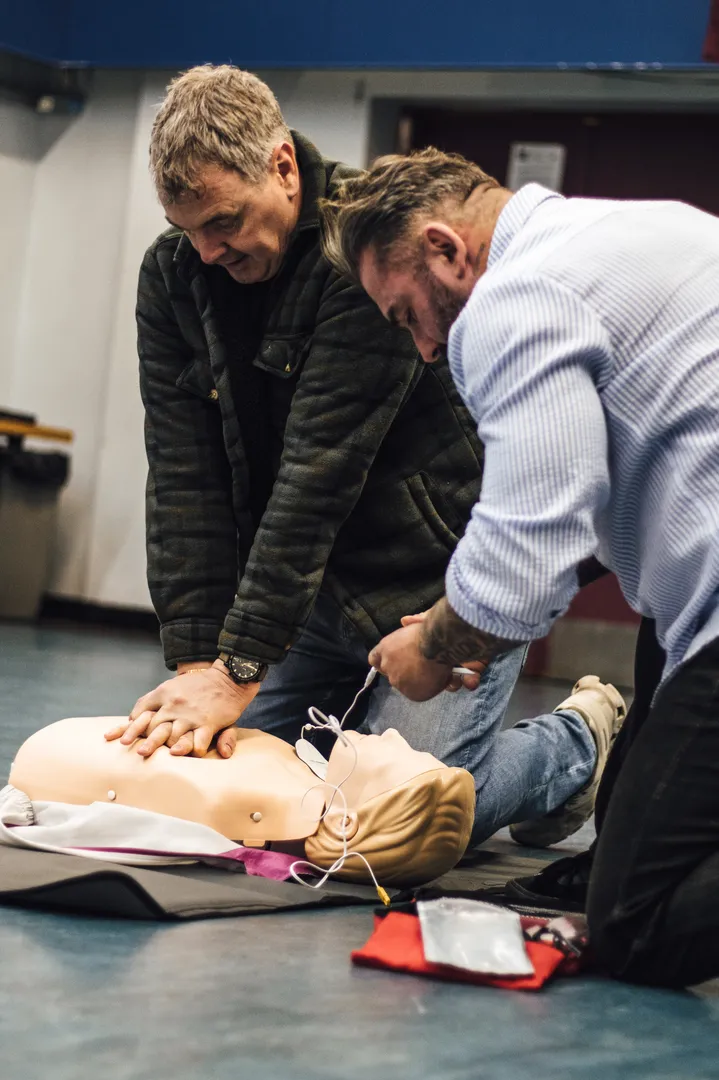
First Aid at Work Training is a more in-depth programme that suits employers or individuals who want wider first aid cover.
- More In-Depth Content: Suitable for a broader range of workplace scenarios.
- Strong Professional Signal: Shows commitment to safety and responsibility.
- Useful For Security Supervisors: Helpful if you often manage incidents or teams.
Who It’s Best For: Security professionals and employers who want extended workplace first aid capability.
Compare options here: See First Aid at Work Training.
Which Course Do You Need? (By Licence Type)
Door Supervisor: Initial Vs Refresher
If you work on doors, events, venues, retail or other frontline environments, Door Supervisor is one of the most common licence routes.
- First-Time Applicant: You usually need initial Door Supervisor training.
- Renewing An Existing Licence: You may need Door Supervisor refresher training before renewal, depending on current SIA requirements.
Door Supervisor Training, Best For First-Time Applicants

Door Supervisor Training is the initial training route for new entrants who need the qualification before applying for a Door Supervisor licence.
- Built For First Applications: Designed to meet the training requirement before you apply for your licence.
- Role-Relevant Skills: Focuses on frontline work, including safety and incident handling.
- Assessment Preparation: Structured learning that supports exam and practical readiness.
- Progression-Friendly: A common route into event security, venues and guarding roles.
Who It’s Best For: Anyone applying for an SIA Door Supervisor licence for the first time.
Check dates and book here: Explore Door Supervisor Training.
Refresher Door Supervisor Security Training, Best For Licence Renewal

Refresher Door Supervisor Security Training is for current Door Supervisor licence holders who need updated training to support renewal, without repeating the full initial programme.
- Shorter Than Initial: Focused on updates and priority skills.
- Renewal-Oriented Content: Designed around current expectations for existing licence holders.
- Minimises Time Off Work: A practical option when planning around shifts.
- Clear Booking Path: A simple route if you are in the renewal cycle.
Who It’s Best For: Existing Door Supervisor licence holders approaching renewal who need the refresher route.
See course dates here: Compare Refresher Door Supervisor Options.
Close Protection: Initial Vs Refresher
Close Protection (often called bodyguarding) typically has a stronger focus on planning and operations than many frontline roles.
- First-Time Close Protection Applicant: You need the initial Close Protection training route.
- Existing Close Protection Licence Holder: You may need Close Protection refresher training for renewal, depending on current SIA requirements and your timing.
Close Protection Training, Best For Entering Close Protection Work

Close Protection Training is the initial route for learners who want to move into close protection and progress towards SIA licensing.
- Operationally Focused: Built around planning, risk awareness and professional conduct.
- Foundation For Licensing: Supports the training requirement before your first application.
- Structured Learning: Helps you build competence step by step.
Who It’s Best For: People aiming to move into close protection and needing the initial qualification.
Learn more and check availability here: Explore Close Protection Training.
Refresher Close Protection Training, Best For Renewing CP Licences

Refresher Close Protection Training is designed for existing Close Protection licence holders who need to update operational practice and meet refresher expectations for renewal.
- Update-Led Content: Focuses on current operational practice and risk awareness.
- Renewal Planning Friendly: Typically takes less time than initial training.
- Supports Continued Professional Standards: Reinforces behaviours expected in high-responsibility roles.
Who It’s Best For: Current Close Protection licence holders approaching renewal.
See dates and details here: See Refresher Close Protection Training.
CCTV Operator: When It Applies (Initial Training Route)
If you are moving into public space surveillance, you usually take CCTV as an initial route for that licence type, rather than a refresher for a different licence.
CCTV Operator Training, Best For New CCTV Licence Applicants

CCTV Operator Training supports learners pursuing CCTV operator roles and helps clarify how the initial route differs from refresher training.
- Clear Entry Route: Built for learners applying for a CCTV licence line.
- Role-Specific Knowledge: Focused on professional practice in surveillance environments.
- Supports Licence Progression: Designed to align with pre-application training requirements.
Who It’s Best For: Anyone who needs initial CCTV training to apply for a CCTV licence line.
Explore the CCTV course here: Explore CCTV Operator Training.
If Your SIA Licence Has Expired: What Are Your Options?
Renewal Window Vs Reapplying As A New Applicant
If your licence expires, assume you cannot do licensable work until it is valid again. Your next steps depend on whether you can renew or must reapply.
- If You Are Still Within A Valid Renewal Process: Follow the SIA renewal steps and complete refresher training if it is required for your licence type.
- If You Miss Renewal And Your Licence Has Lapsed: You may need to apply again and meet the requirements in force at the time. This can include completing initial training again for that licence line.
For the official route, use GOV.UK: Apply for an SIA licence.
Booking Tips: How To Choose The Right Training Provider And Course Date
What To Check: Accreditation, Exam Arrangements, And Support
- Course Is Correct For Your Licence Type: Door Supervisor refresher is different from Close Protection refresher.
- First Aid Is In Date Where Required: Book Emergency First Aid at Work early if you need it.
- Assessment Logistics Are Clear: You should know how exams and practical assessments will run, and what ID to bring.
- Realistic Timeline To Renew: Allow time for training, results processing and your SIA renewal application.
A simple preparation checklist for most learners includes:
- Photo ID And Proof Of Address: Bring what your provider requests, and keep documents ready for the SIA application.
- Basic English Literacy: You need to understand the materials and complete assessments.
- First Aid Certificate (If Required): Ensure it is valid and matches the accepted type for your course.
Need Help Choosing The Right Course? Tell Lead Element Training Wing LTD your licence type and expiry date, and we will point you to the matching option. Contact Lead Element Training Wing LTD.
FAQs
Is Refresher Training The Same As Top-Up Training?
People often use the terms interchangeably. In everyday use, “top-up” can mean training you take later to meet updated requirements. “Refresher training” is a clearer description of the renewal-focused route. Always choose the course that matches your licence type and the current SIA renewal requirements.
How Long Does Refresher Training Take Compared With Initial Training?
Refresher training is usually shorter because it focuses on updates and critical skills, not the full entry-level programme. Initial training takes longer because it covers foundations, role-specific content and broader assessment.
Can I Renew My Licence Without Refresher Training?
If refresher training is required for your licence type at renewal, you normally need to complete it before renewal can proceed. Check the current requirements on the SIA’s official pages and review the instructions in your SIA online account.
Do I Need First Aid For Door Supervisor Training Or Renewal?
First aid is commonly required for frontline Door Supervisor training. It can also be relevant at renewal, depending on current rules. If you are unsure, a safe approach is to secure a valid first aid certificate early, for example by booking Emergency First Aid at Work Training.
Fun Fact: Why Refresher-Style Rules Exist
The SIA was created under the Private Security Industry Act 2001. Refresher-style requirements help the regulator keep licence holders aligned with evolving risks, safety expectations and legal guidance as the industry changes.
Conclusion: The Fast Way To Decide
- If You Are New: Take the relevant initial course, then apply for your first SIA licence.
- If You Are Renewing: Take the relevant refresher (where required), then renew in your SIA account before your licence expires.
- If You Are Not Sure Which One Applies: Your licence type and renewal timing make the difference.
To get started, browse security and first aid options here: Lead Element Training Wing LTD courses, or contact Lead Element Training Wing LTD for help matching the right course to your licence and renewal date.

![Construction site security company [city]](https://security-guard-training.co.uk/wp-content/uploads/2026/08/Construction-site-security-company-768x514.webp)