
How Much Does a Close Protection Officer Earn in the UK?
Close protection officer (CPO) pay in the UK can vary a lot by experience, location, and assignment. Many CPOs earn about £30,000 to £50,000 a year in employed roles. Contractors often earn around £150 to £300+ per day. London, specialist skills, overseas work, and higher-risk details can push rates up, but work can be irregular.
Close protection, often called “bodyguard” work, is not just standing nearby in a suit. A CPO plans safe movement, manages risk, liaises with venues and drivers, and stays calm during incidents. Because the role changes from job to job, earnings do too.
- Typical UK employed salary: £30,000 to £50,000 (often higher for senior or London-based roles).
- Typical UK contractor day rate: £150 to £300+, with specialist and overseas work sometimes above this.
- Biggest pay drivers: Location, risk profile, experience, shift pattern, and whether expenses are covered.
- Key reality check: Day-rate work can have gaps, so annual income is not simply “day rate multiplied by 365”.
To work legally as a close protection operative in the UK, you generally need the correct SIA licence. You can check the latest requirements on the official Security Industry Authority (SIA) site.
Close Protection Officer Salary In The UK (Typical Ranges)
Typical Annual Salary (PAYE/Employed)
Employed close protection officers are usually paid a set annual salary (PAYE). For many UK roles, these are realistic ranges:
- Entry to early career: £28,000 to £35,000.
- Experienced CPO (regular corporate or HNW work): £35,000 to £50,000.
- Senior, specialist, or team leader responsibilities: £45,000 to £60,000+ (role dependent).
Some employers also add extra pay or benefits, such as:
- Overtime: Paid hours beyond your contract.
- Allowances: For travel, overnight stays, or specialist kit (varies by employer).
- London weighting: A pay uplift for London-based duties (not guaranteed).
For wider UK earnings context, the Office for National Statistics (ONS) earnings data can help you judge whether an offer is competitive for the hours and responsibility.
Typical Day Rates (Contractor/Self-Employed)
Contract day rates are common in close protection, especially for short-term assignments, events, and “as needed” cover. Many operatives see ranges like these:
- Entry level or low-complexity details: £150 to £200 per day.
- Experienced CPO on corporate or HNW details: £200 to £300 per day.
- Specialist, higher-risk, or overseas rotations: £300+ per day (sometimes more, depending on terms and risk).
Important: A higher day rate does not always mean higher annual income. Contractors often have gaps between bookings, and they may cover more costs themselves.
Salary Snapshot Table (Entry-Level, Experienced, Team Leader)
| Level | Employed (Annual) | Contractor (Day Rate) | Typical Notes |
|---|---|---|---|
| Entry Level CPO | £28,000 to £35,000 | £150 to £200 | Building experience, often more routine duties. |
| Experienced CPO | £35,000 to £50,000 | £200 to £300 | Corporate, HNW, regular clients, stronger planning skills. |
| Team Leader | £45,000 to £60,000+ | £250 to £350+ | Team coordination, liaison, routes, and risk oversight. |
If you’re aiming for the higher end of these ranges, your licence and training route matter. Explore SIA Close Protection Training with Lead Element Training Wing LTD to build the foundation employers and clients expect.
Close Protection Training, Best For Qualifying For Higher-Paying Roles

Close Protection Training is the main route many learners take to become eligible for SIA close protection licensing. It can also help you access better-quality roles and stronger rates.
- Licence-Focused Learning: Covers the knowledge and scenarios used in real close protection work.
- Employability Boost: Helps you meet baseline expectations from reputable companies and clients.
- Career Foundation: Supports progression from entry-level details to more complex assignments.
- Professional Credibility: Signals commitment to compliance and best practice.
Best for: People who want a structured, legal route into close protection, rather than relying on unrelated security experience alone.
Explore course details here: SIA close protection training course UK.
What Affects Close Protection Pay?
Experience Level And Background (Civilian, Military, Police)
Experience influences pay because it reduces risk for the client. Backgrounds that can support higher rates include:
- Proven operational experience: Shows sound judgement, calm under pressure, and professional conduct.
- Relevant security history: Corporate security, control room roles, or security management can support progression.
- Military or police experience: Can help, but employers still expect role-specific competence and the correct licence.
In practice, paid close protection experience and a strong reputation for reliability and discretion often matter most.
Location (London Vs Rest Of The UK) And Travel Requirements
London often pays more due to higher costs and stronger demand. Travel-heavy roles can also increase earnings if the contract includes meaningful expenses and paid travel time.
- Paid accommodation: Hotel covered by the client or employer.
- Per diem (subsistence): A daily allowance for meals and incidentals.
- Travel costs: Fuel, rail, flights, or mileage arrangements.
Always confirm in writing what is paid, what is reimbursed, and what comes out of your day rate.
Type Of Client And Assignment Risk Profile
Rates often rise with complexity and risk. Common examples include:
- Corporate executive protection: Often structured and policy-led, and can be stable if tied to a permanent team.
- High net worth (HNW) protection: Can pay well, but flexibility and discretion expectations may be higher.
- Celebrity or event-based protection: Can pay well for short bursts, but may be high pressure and unpredictable.
- Higher-risk environments: Typically command higher rates, but require the right competence, planning, and insurance.
Shift Patterns, Overtime, Nights And Weekend Premiums
Close protection often runs outside standard office hours. Earnings can change significantly based on:
- Long shifts: 10 to 12 hours is common, and sometimes longer.
- Nights and weekends: Some employers pay premiums, while others build it into salary.
- Standby or on-call: You may be paid a retainer or a lower standby rate, depending on the client.
Employed Vs Contractor: Stability, Gaps Between Jobs And Expenses
Employed roles can offer predictability, while contracting can offer a higher headline rate. The trade-off is usually stability and out-of-pocket costs.
- Employed: More consistent pay, simpler tax, and sometimes benefits and paid leave.
- Contractor: Higher day rates are possible, but you may have unpaid gaps and extra admin.
For guidance on employment status and responsibilities, review HMRC information on tax and working arrangements.
Employed Salary Vs Contractor Day Rate: Which Is Better?
What Contractors Often Pay For Themselves (Insurance, Kit, Travel, Tax)
When comparing offers, focus on your likely net income, not just the day rate. Contractors commonly pay for:
- Insurance: Public liability, professional indemnity, and sometimes specialist cover depending on duties.
- Training and renewals: Including refresher training where required to stay eligible for work.
- Kit and presentation: Clothing, footwear, comms, and sometimes protective equipment.
- Travel and accommodation shortfalls: Not every job covers everything.
- Admin and tax: Accounting costs and setting aside tax.
A helpful planning question is: How many paid days can I realistically secure this year? Many operatives do not work five paid days every week of the year.
Example: Converting A Day Rate Into An Annual Equivalent
Here is a practical way to estimate a rough annual equivalent:
- Assumption: 180 paid days per year (allowing for gaps, training, admin, and holidays).
- Example day rate: £220 per day.
- Gross equivalent: 180 x £220 = £39,600 (before expenses and tax).
Now compare that with a £40,000 employed salary that includes paid holiday and fewer costs. Depending on your situation, either option could work better.
How To Become A Close Protection Officer (And Get The Right Licence)
SIA Close Protection Licence Requirements (UK)
Close protection is a licensable activity in the UK. It is enforced under the Private Security Industry Act 2001. In practice, many roles require an SIA close protection licence, and reputable employers will check it.
Requirements can change, so confirm the latest position with the SIA. For a plain-English walkthrough, read: SIA close protection licence UK, how to get it.
Compliance Checklist Before You Accept Work:
- Licence Validity: Check your SIA licence is active for the role you are performing.
- Right To Work: Ensure your documentation is current and verifiable.
- Vetting Expectations: Be ready for background checks, references, and confidentiality rules.
- Written Terms: Confirm pay, hours, expenses, and cancellation terms in writing.
Training And Refresher Training: What Employers Expect
Once you understand typical pay, the next step is meeting the SIA requirements to work legally. Employers also expect you to stay up to date, which is where refresher training can protect your employability.
If you are preparing for training, this guide can help: How to prepare for close protection training in the UK. If you are budgeting, see: Close protection training cost UK.
Refresher Close Protection Training, Best For Staying Eligible And Bookable

Refresher Close Protection Training helps qualified operatives stay aligned with current expectations. That reduces the risk of losing work due to compliance issues.
- Supports Licence Continuity: Helps you stay eligible for roles that require up-to-date training.
- Maintains Professional Standards: Reinforces best practice for planning, communication, and incident response.
- Protects Earnings: Reduces avoidable gaps caused by lapsed requirements.
Best for: Existing CPOs who want to stay “ready to deploy” and avoid downtime caused by lapsed requirements.
Compare refresher options here: refresher close protection training for SIA renewal.
Recommended Add-On Qualifications That Can Increase Pay
To improve your day rate, employers often look for additional competencies, such as first aid. Add-ons that commonly strengthen your profile include:
- First aid: Frequently requested for corporate, residential, and travel details.
- Driving: Especially advanced or security-focused driving where relevant to the role.
- Surveillance awareness and observation skills: Helpful for identifying threats early.
- Communication and reporting: Clear reporting and professional liaison can set you apart.
You can browse relevant options here: security courses and training programmes.
How To Increase Your Earnings As A CPO
Specialist Skills (Surveillance/CCTV, Driving, Medical/First Aid)
If you want to move towards higher-paying assignments, focus on skills that reduce client risk and increase operational capability:
- First aid competence: Helps you respond quickly to medical incidents, which clients value.
- Observation and situational awareness: Improves prevention, not just reaction.
- Professional communication: Makes you easier to integrate into teams and high-standard environments.
Emergency First Aid At Work Training, Best For Fast, Practical Rate Boosting

Emergency First Aid at Work Training is a practical qualification that can strengthen your CV for close protection details where immediate response matters.
- Client Confidence: Shows you can act quickly in a medical emergency.
- Role Relevance: Suitable for operatives on mobile details, events, and travel tasks.
- Employability: Helps you meet common client and employer expectations.
Best for: CPOs who want a widely recognised credential without a long time commitment.
See course dates and options here: emergency first aid at work for security guards.
First Aid At Work Training, Best For Higher-Responsibility Details
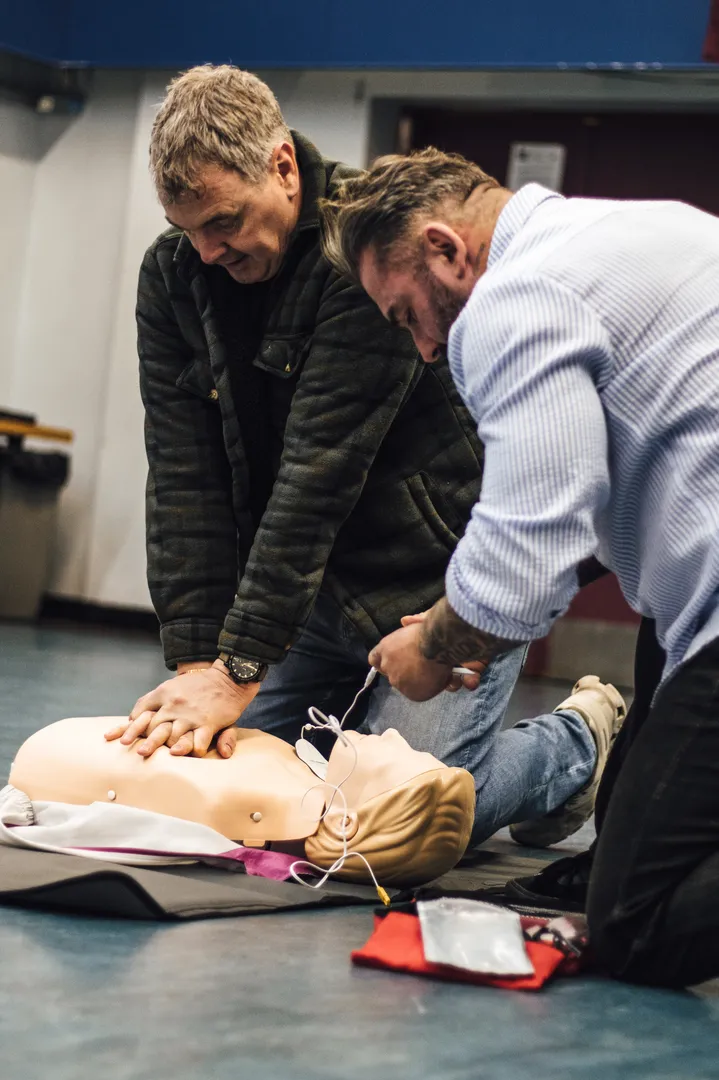
First Aid at Work Training is a more in-depth option for operatives aiming for senior responsibilities. It also suits environments where stronger medical capability is valued.
- Stronger Capability: Builds confidence handling a broader range of incidents.
- Professional Differentiator: Helps you stand out in competitive shortlists.
- Supports Progression: Useful when moving towards team leader expectations and higher duty-of-care roles.
Best for: CPOs targeting corporate and HNW assignments with higher duty-of-care demands.
Explore the course here: first aid at work course for close protection operatives.
Building Experience: Team Roles, CP Operative To Team Leader
Progression is one of the most reliable ways to increase earnings. Practical steps include:
- Take consistent team roles: Build trust with companies that can rebook you.
- Ask for structured feedback: Improve planning, communication, and venue liaison.
- Develop leadership habits: Run briefings, write clear reports, and make calm decisions.
Team leaders are often paid more because they take on coordination, client liaison, route planning, and documentation responsibilities.
Overseas And Rotational Contracts: What To Check Before Accepting
Overseas work can increase day rates, but it can also increase complexity. Before you accept a role, clarify:
- Rotation pattern: For example, 6 weeks on and 2 weeks off, and whether travel days are paid.
- Accommodation and per diem: What is included, and what is reimbursed.
- Insurance and medical cover: Who provides it, and what it excludes.
- Legal and cultural considerations: Local rules, equipment restrictions, and conduct expectations.
If terms are vague, treat it as a warning sign, even if the headline rate looks attractive.
CCTV Operator Training, Best For Adding A Valuable Surveillance Skill

CCTV Operator Training can complement close protection by strengthening observation, incident recognition, and reporting. It can also provide another income route between close protection contracts.
- Broader Employability: Adds an extra capability many security employers value.
- Transferable Skills: Improves situational awareness and evidence-quality reporting.
- Income Smoothing: Can help reduce gaps between close protection bookings.
Best for: Operatives who want a stackable qualification to widen job options.
Compare options here: CCTV operator training course UK SIA.
Door Supervisor Training, Best For A Stepping-Stone Into The Industry

Door Supervisor Training is a common entry point into the UK security industry. Many people build core skills here before moving into close protection.
- Fast Entry Route: Helps you start gaining real-world security experience.
- People Skills: Builds communication and conflict-management confidence.
- Transferable Experience: Supports later progression into more specialised roles.
Best for: People who are new to the industry and want an employable starting point.
You can also compare earnings in our guide: door supervisor salary UK. Explore training here: door supervisor training course vs close protection training.
Training Options Comparison (Quick View)
| Course | Best For | How It Can Help Earnings |
|---|---|---|
| Close Protection Training | Qualifying for CPO roles | Unlocks legal eligibility and higher-value assignments. |
| Refresher Close Protection Training | Staying compliant and bookable | Reduces avoidable work gaps caused by lapsed requirements. |
| Emergency First Aid At Work | Quick, practical first aid | Strengthens your CV and can support better day-rate negotiations. |
| CCTV Operator Training | Extra security pathway | Adds flexibility and income options between contracts. |
If you want help choosing the best training path for your goals, you can explore the full range on Lead Element Training Wing LTD training courses or speak to the team via contact us.
FAQs About Close Protection Pay In The UK
Do Bodyguards Get Paid More In London?
Often, yes. London-based close protection work can pay more due to demand and cost of living. Some roles also include London weighting. Your net benefit depends on travel time, expenses covered, and whether the day rate already includes London costs.
Is Close Protection A Stable Income?
It depends on your working model. Employed roles can be stable, while contracting can be irregular. Many contractors improve stability by building relationships with reliable companies, keeping compliance up to date, and adding complementary qualifications to reduce gaps.
Do You Need First Aid Training For Close Protection Work?
It is not always legally required for every role, but it is commonly expected. First aid can improve your employability and can be a deciding factor when clients choose between operatives with similar experience.
Fun Fact: Close Protection Is A Regulated Role In The UK
Close protection is one of the SIA’s licensable activities under the Private Security Industry Act 2001. That means “bodyguard” work is not just a job title in the UK. Licensing and training directly affect who can legally work, and often what they can earn.
Conclusion
Most UK close protection officers sit within £30,000 to £50,000 employed or £150 to £300+ per day contracting. Your real earnings depend on booking stability, expenses, location, and the risk profile of the work. If you want to move towards higher rates, focus on compliance, strong training, and skills that reduce client risk.
When you are ready to take the next step, start with Close Protection Training and build your add-on skills from there with Lead Element Training Wing LTD.

![What is the cheapest route to getting an sia licence [city]](https://security-guard-training.co.uk/wp-content/uploads/2026/06/What-is-the-cheapest-route-to-getting-an-SIA-licence-768x512.webp)
![Man in white shirt on a radio [city]](https://security-guard-training.co.uk/wp-content/uploads/2024/04/2_Man-in-white-shirt-on-a-radio-768x512.webp)